World · World News Bureau
Japan's Middle Class Sees Purchasing Power Erode Despite Wage Growth
Japanese workers have secured successive salary increases in recent years, yet their real purchasing power continues to decline as inflation outpaces wage growth. The phenomenon underscores mounting economic pressures facing the nation's middle class.
LSN World News ·
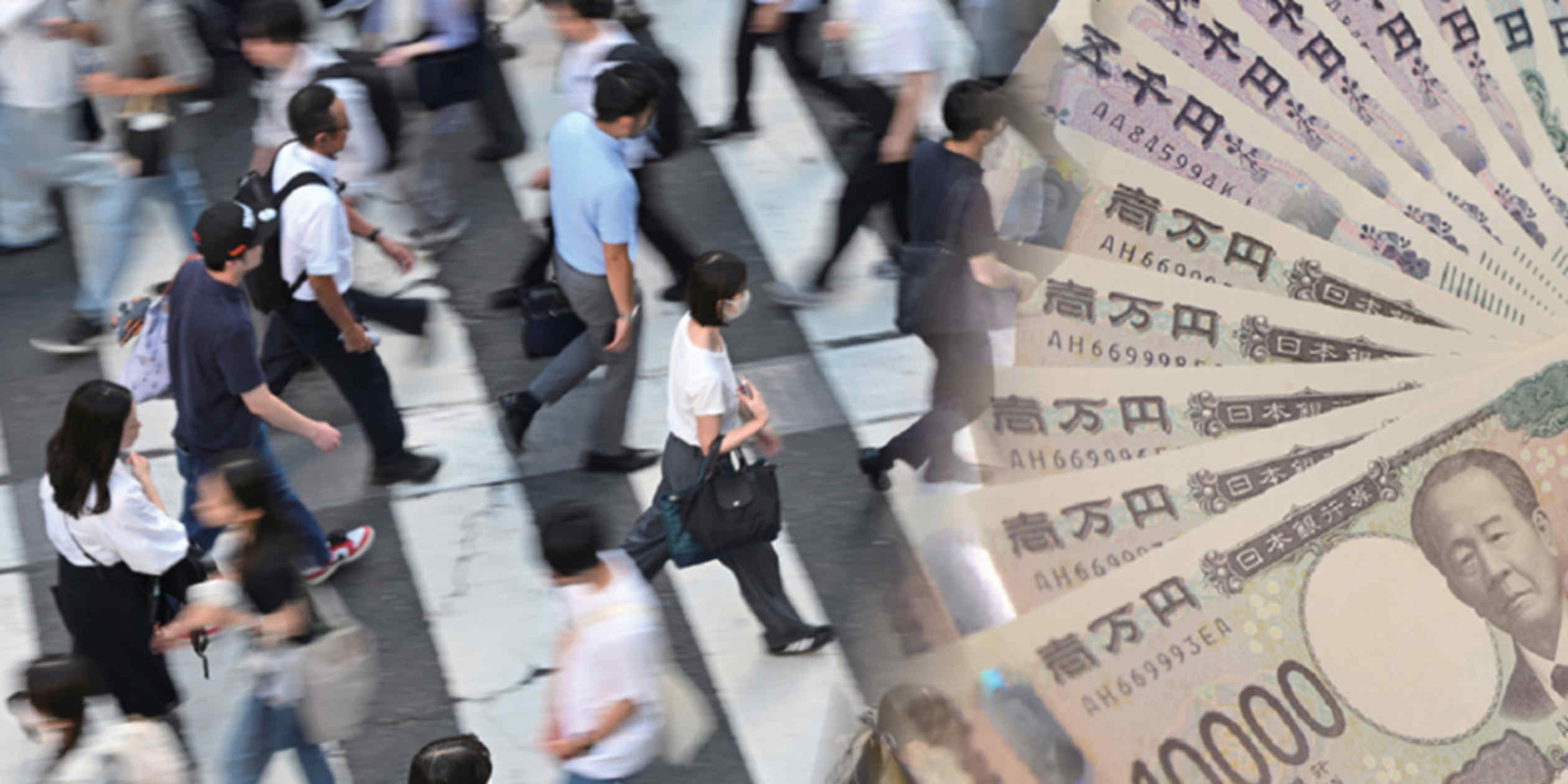
Japan's middle-income households face a paradoxical economic squeeze as nominal wage increases fail to offset rising living costs, eroding their ability to maintain previous consumption levels. Despite years of pay raises following a prolonged period of wage stagnation, workers' real earnings—adjusted for inflation—have contracted as prices for essential goods and services have climbed more steeply than salary growth.
The divergence between nominal and real wage growth reflects persistent inflationary pressures across Japan's economy, particularly in energy, food, and housing sectors. While headline wage figures appear positive, the underlying purchasing power of middle-class households has weakened, limiting discretionary spending and forcing households to reassess budget priorities.
Economists attribute the squeeze to structural factors including volatile commodity prices, supply chain disruptions, and demographic shifts that have constrained Japan's economic growth potential. The erosion of middle-class purchasing power carries significant implications for domestic consumption, which remains a critical engine for Japan's economic expansion amid demographic decline and sluggish growth.
The situation reflects broader challenges facing developed economies where wage growth struggles to keep pace with inflation, raising concerns about household financial security and long-term consumer confidence across the region.