World · Singapore Bureau
Japan's Mount Fuji still grapples with dangerous summit crowding
Despite implementing new climbing restrictions, Japan's iconic Mount Fuji continues to experience hazardous overcrowding near its peak, with visitors packed so tightly they can barely move.
LSN Singapore ·
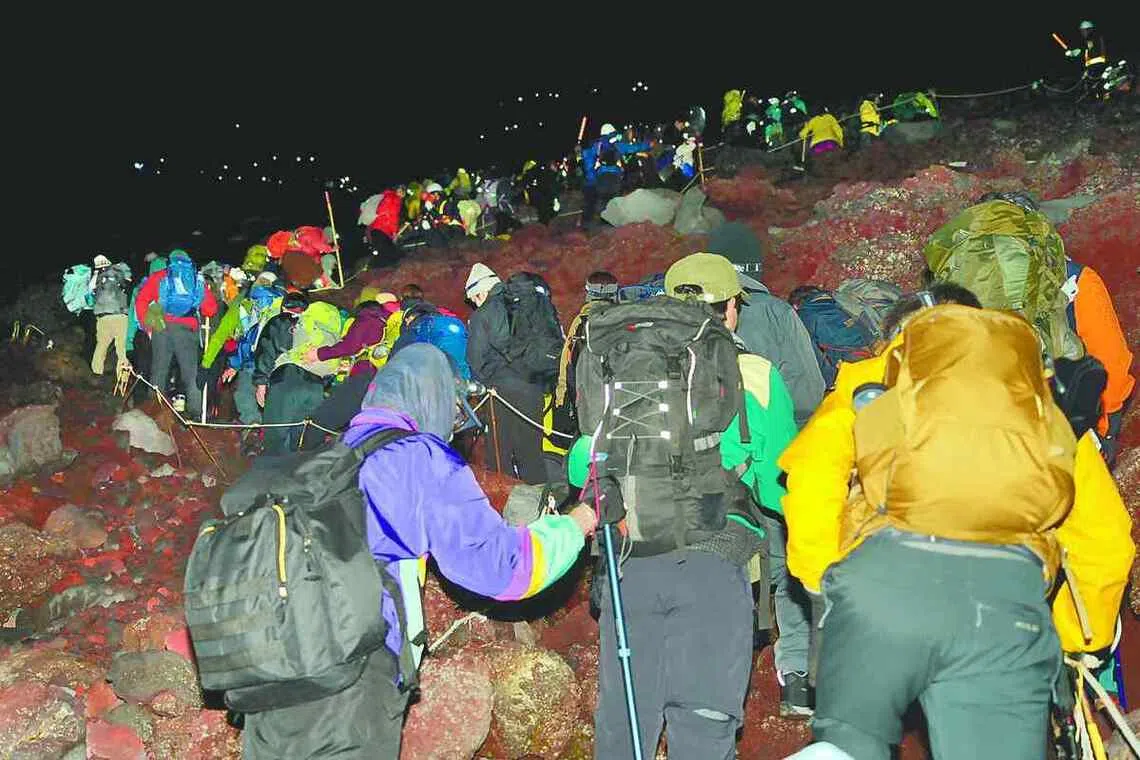
Mount Fuji's summit remains dangerously congested despite regulatory measures introduced to manage visitor flows, raising fresh concerns about safety on Japan's most famous peak. Climbers attempting to witness the celebrated sunrise have been observed standing shoulder-to-shoulder near the mountain's crown, with some so densely packed they could touch neighbouring visitors without extending their arms fully.
Japanese authorities implemented new climbing rules in recent seasons to address the long-standing overcrowding problem that has plagued the 3,776-metre volcano for years. The regulations aimed to stagger visitor numbers and improve safety conditions along the popular hiking routes that attract hundreds of thousands of climbers annually.
However, the persistent congestion suggests the measures have had limited impact on peak hours, particularly during the popular sunrise period when most visitors converge near the summit. The tight clustering creates risks including falls, heat exhaustion, and limited emergency response capacity should an incident occur.
The situation underscores the broader challenge facing Japan's tourism infrastructure as visitor numbers surge. Mount Fuji's appeal as a UNESCO World Heritage Site and cultural icon continues to draw international and domestic climbers, straining management efforts to balance accessibility with visitor safety.