Politics · Singapore Bureau
Japan's new PM signals end to reflation policy after Trump's yen complaints
Prime Minister Shigeru Takaichi has indicated a shift away from Japan's reflation strategy, days after US President Donald Trump criticised the weakness of the yen. Economic analysts caution that structural reforms must accompany any policy changes.
LSN Singapore ·
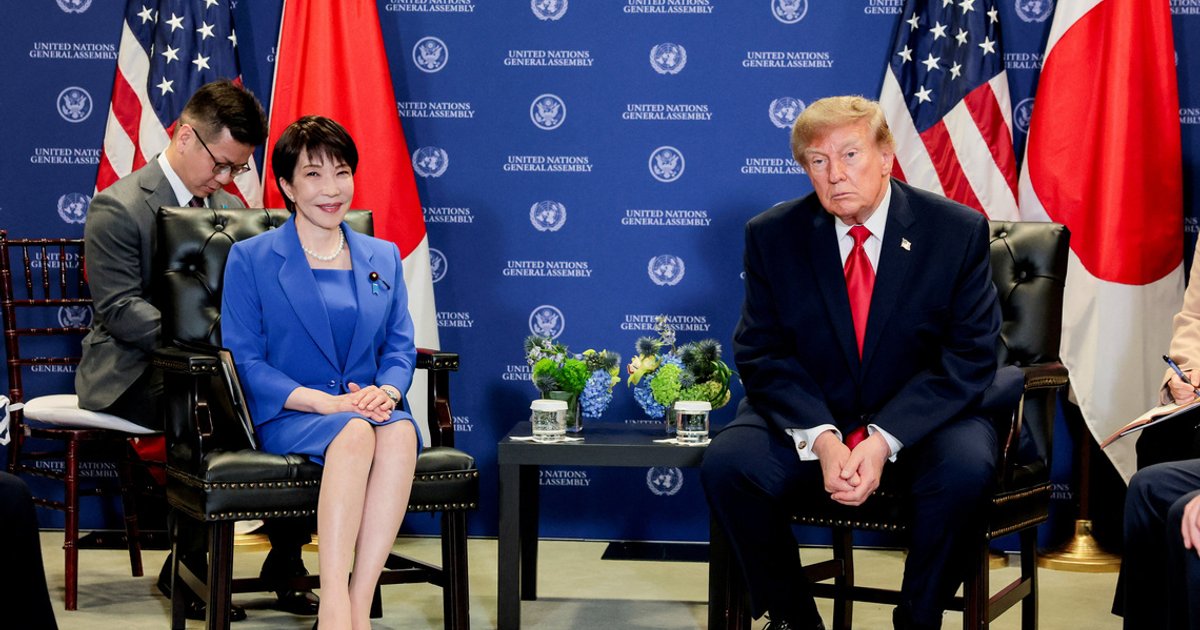
Japan's newly appointed Prime Minister Shigeru Takaichi has signalled an end to the country's reflation policy framework, marking a notable policy shift that follows recent complaints from the United States regarding the weak yen's competitive advantage in international trade.
Takaichi's statements come amid mounting international pressure on Japan's monetary and fiscal stance. The timing of the announcement—occurring shortly after Trump's public criticism of yen weakness—suggests external pressure may be influencing domestic policy decisions, though officials have framed the shift as a natural evolution of Japan's economic strategy.
The move away from reflation represents a significant departure from the approach pursued under previous administrations, which had sought to stimulate domestic demand and inflation through expansionary policies. Takaichi's new direction indicates the government may prioritize different economic objectives, though the precise contours of the new framework remain to be fully articulated.
However, economists and policy experts have cautioned that symbolic policy shifts alone will be insufficient to address Japan's underlying economic challenges. Analysts emphasise that the prime minister must pursue substantive structural reforms—including addressing labour market rigidities, productivity constraints, and demographic pressures—rather than relying primarily on policy rhetoric or short-term adjustments to maintain international relations.