Business · Singapore Bureau
Japan's rice sector turns to technology amid shifting tastes and demographic challenges
Japan's traditional rice farming industry faces a critical crossroads as younger consumers diversify their diets and the agricultural workforce ages rapidly. Technology and innovation are emerging as key tools to sustain productivity in one of Asia's most established farming sectors.
LSN Singapore ·
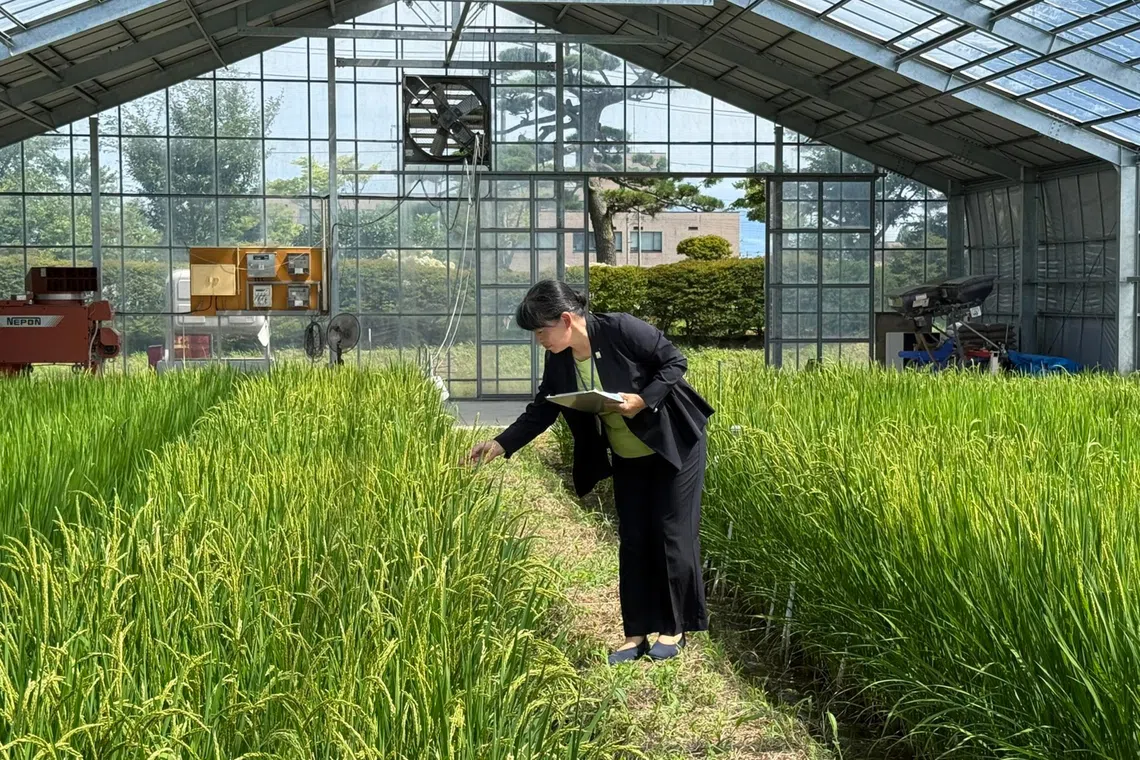
Japan's rice farming landscape is undergoing a significant transformation as demographic and cultural shifts reshape one of the nation's foundational agricultural sectors. Declining domestic consumption, driven by changing dietary preferences among younger generations, has forced farmers and policymakers to reconsider the industry's long-term viability and growth prospects.
The challenge is compounded by an ageing farming population, with many producers reaching retirement age without sufficient successors to maintain traditional cultivation methods. This generational turnover threatens both productivity and the preservation of expertise accumulated over centuries of rice cultivation.
To counter these headwinds, Japan's rice industry is increasingly embracing technological solutions. Automation, precision agriculture, and mechanisation are being deployed to offset labour shortages and improve efficiency across growing, harvesting, and processing operations. These innovations aim to reduce operational costs and make rice farming more attractive to younger entrepreneurs considering agricultural careers.
Industry observers note that successful adaptation will require more than technology alone. Strategic marketing initiatives, product diversification, and enhanced value-addition through premium varieties and specialty products are also being explored to reignite domestic demand and expand export opportunities in regional markets seeking high-quality rice alternatives.