World · World News Bureau
Japan's salmon catch plummets to historic low amid climate concerns
Japan's salmon harvest has collapsed to just 3% of its 2003 peak, raising alarms about the species' survival in the region and the future of the country's fishing industry. Experts attribute the dramatic decline to warming ocean temperatures and shifting migration patterns.
LSN World News ·
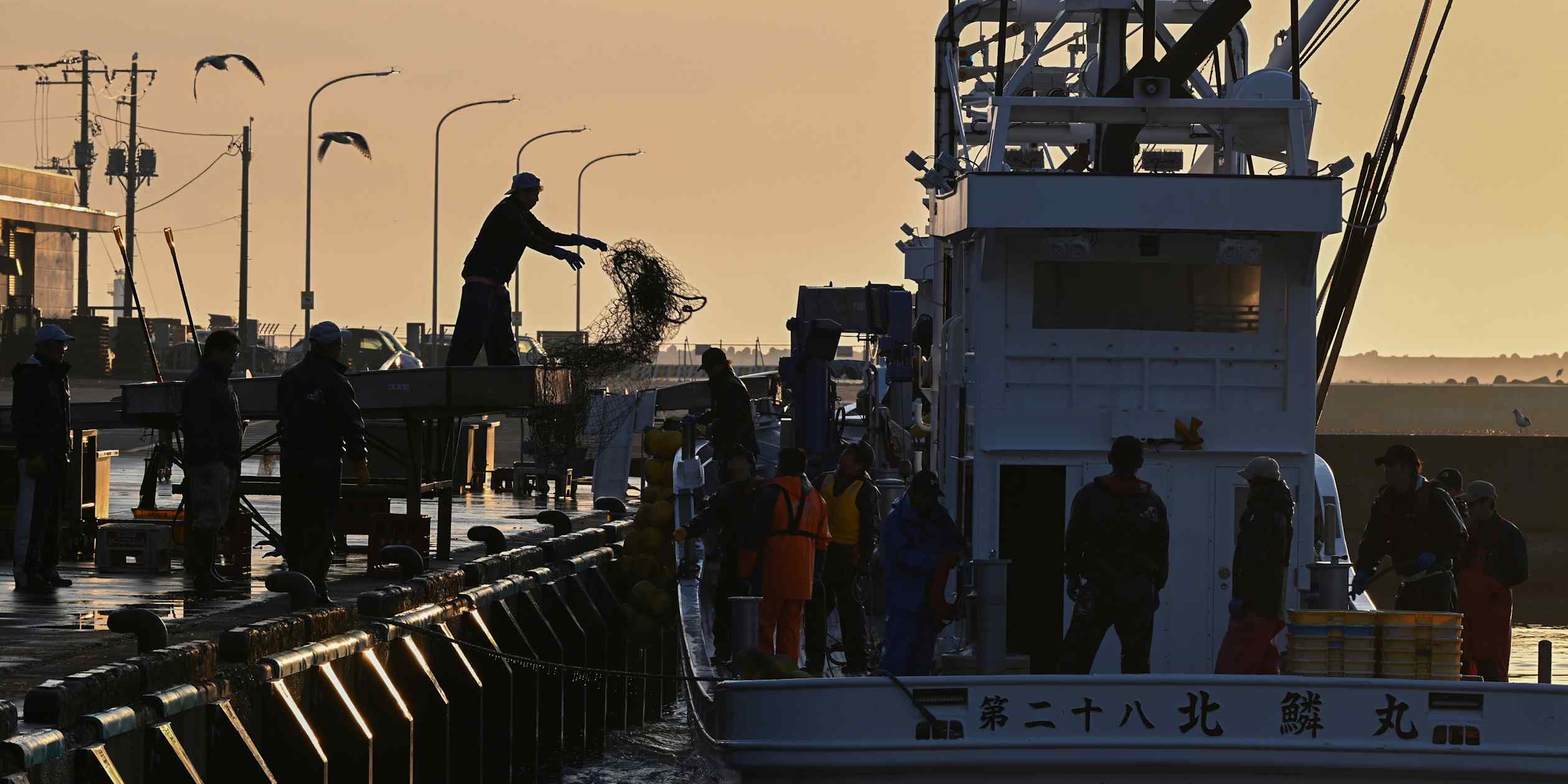
Japan's once-robust salmon fishery faces an existential crisis as annual catches have fallen to their lowest levels in decades. The nation's current salmon harvest represents merely 3% of volumes recorded two decades ago, marking a catastrophic decline that has devastated fishing communities and prompted urgent calls for conservation action.
The collapse reflects broader environmental pressures affecting salmon populations across the North Pacific. Rising sea temperatures are altering the marine ecosystems that salmon depend upon during their ocean migration phase, while changing currents have shifted traditional migration routes away from Japanese fishing grounds. Scientists monitoring the species warn that the trend shows no signs of reversal without significant intervention.
The economic ramifications extend beyond fishing fleets, affecting food supply chains, regional economies, and cultural traditions tied to salmon harvests that have sustained Japanese communities for generations. Government fisheries agencies have implemented stricter catch restrictions and begun exploring hatchery programs to bolster wild populations, though experts caution that addressing the underlying climate factors remains essential.
International cooperation on Pacific salmon management has intensified as neighboring countries report similar declines. Researchers continue investigating whether oceanic warming, changes in food availability, or other environmental factors pose the greatest threat to salmon recovery. The outcome will likely determine whether future generations can maintain Japan's historic connection to this vital species.