Politics · World News Bureau
Japan's Takaichi distances herself from reflation policy amid US pressure
Japan's economic policy chief has stepped back from the reflation framework that defined the previous administration's approach to monetary stimulus. The move comes as the United States signals expectations for shifts in Tokyo's economic strategy.
LSN World News ·
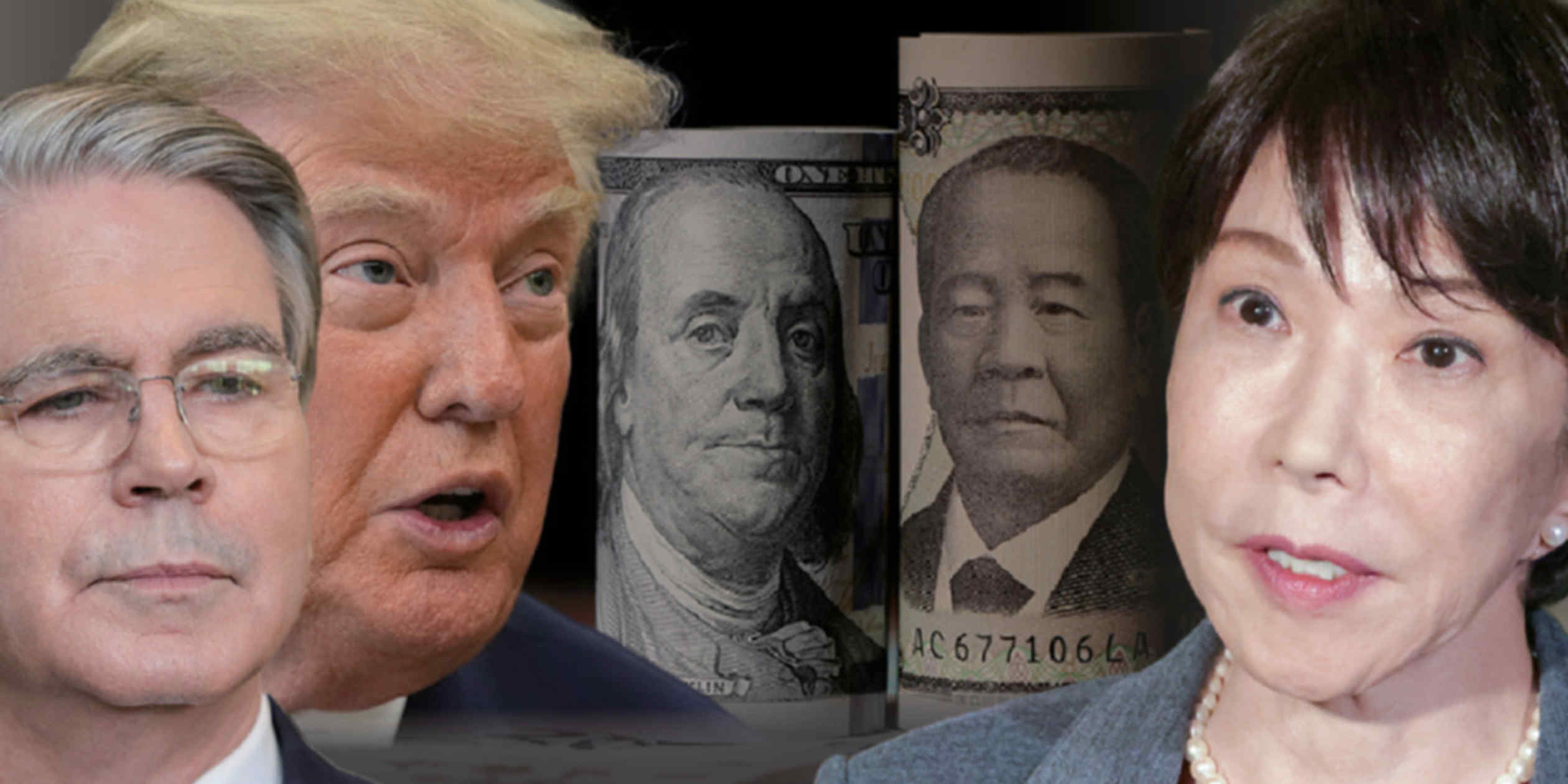
Shinjiro Takaichi, Japan's minister overseeing economic policy, has rejected reflation as a guiding principle for the nation's fiscal and monetary direction, marking a notable departure from longstanding doctrine. Her comments reflect broader recalibration within Japan's government on how to balance domestic economic goals with international pressure.
The disavowal of reflation—a policy designed to gradually increase prices and wages through sustained monetary expansion—signals potential changes in coordination between Japan's central bank and government. Reflation had been a cornerstone of efforts to combat persistent deflation that has constrained economic growth for decades.
The timing of Takaichi's remarks coincides with renewed US interest in Japanese economic policy adjustments. Washington has indicated preferences for modifications in how Tokyo manages its currency and monetary stance, reflecting broader concerns about trade imbalances and currency valuations in the region.
Japan's economic policymakers face competing pressures between sustaining domestic recovery and responding to external demands from major trading partners. The shift in rhetoric from senior officials suggests the government may be reconsidering the framework that has guided its approach since previous administrations prioritized aggressive reflation measures.