World · World News Bureau
Japan, South Korea explore alternative security strategies amid regional tensions
Tokyo and Seoul are reassessing their defense approaches as geopolitical pressures mount in Northeast Asia. The two U.S. allies are considering fresh security frameworks to address evolving regional challenges.
LSN World News ·
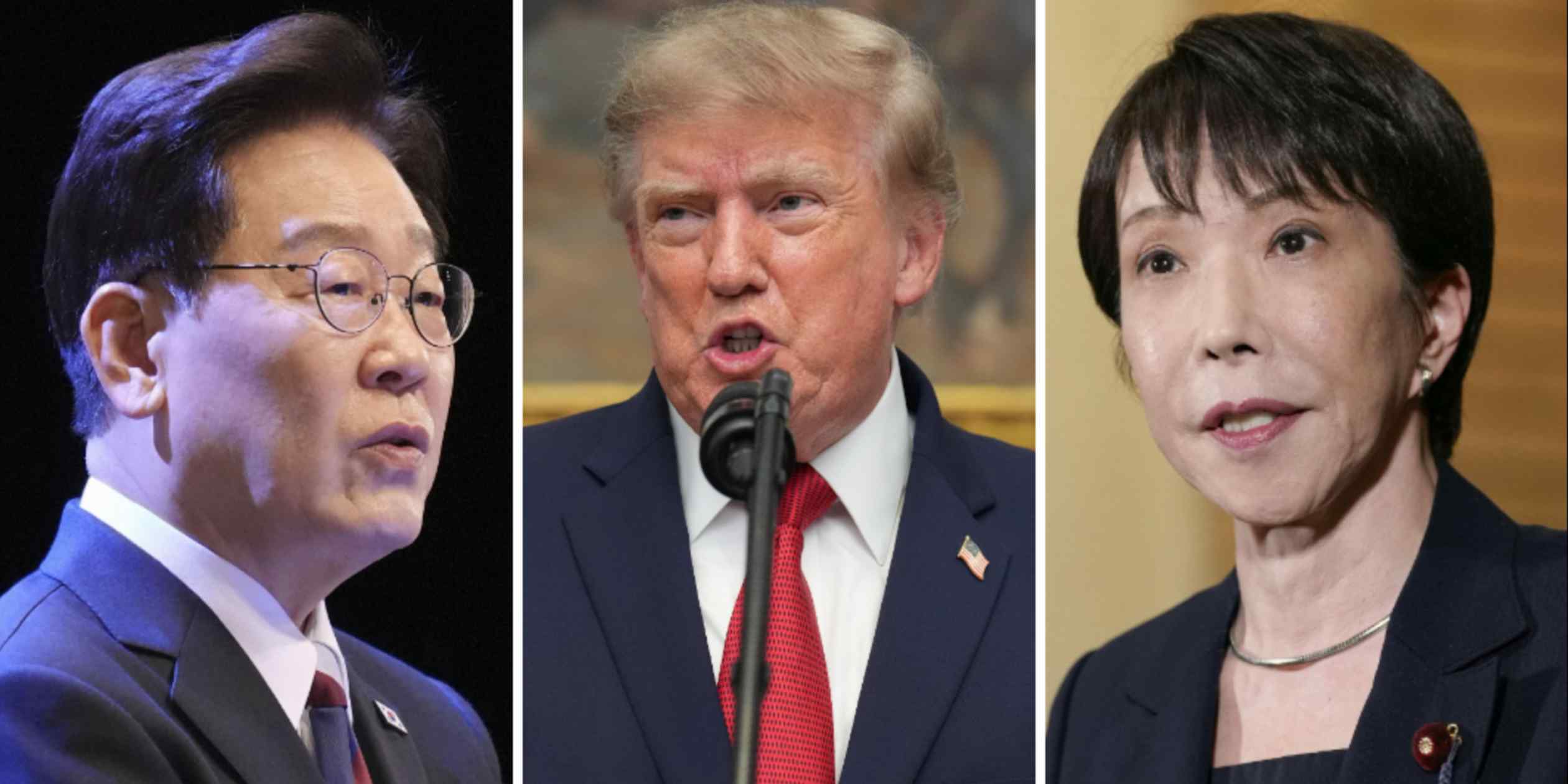
Japan and South Korea are intensifying discussions on alternative security arrangements as both nations confront mounting regional instability and shifting strategic dynamics in Northeast Asia. The two countries, long anchored to the United States through bilateral defense treaties, are exploring additional mechanisms to strengthen their own security posture and deepen bilateral cooperation.
The discussions reflect growing concerns about North Korea's advancing weapons capabilities, China's military modernization, and Russia's strategic positioning in the region. Japanese and South Korean defense officials have indicated that while the U.S. alliance remains foundational, supplementary frameworks could enhance regional stability and provide greater autonomy in addressing shared threats.
Proposals under consideration include expanded intelligence-sharing arrangements, joint military exercises, and coordinated diplomatic initiatives. Both nations have also emphasized the importance of strengthening trilateral cooperation with the United States, recognizing that enhanced Northeast Asian security mechanisms must complement rather than replace existing alliance structures.
Analysts note that any new security architecture would require careful calibration to avoid escalating regional tensions or undermining existing security guarantees. Officials in both capitals have stressed that enhanced bilateral engagement serves as a stabilizing force in a region where misunderstandings could have significant consequences for peace and prosperity.