Culture & Entertainment · India Bureau
Japan Successfully Eradicates Invasive Mongooses from UNESCO Heritage Site
Decades after mongooses were introduced to control snake populations, Japan has completed a major ecological restoration effort on Amami Oshima island. The successful elimination of the invasive small Indian mongooses marks one of the world's largest mongoose eradication programs.
LSN India ·
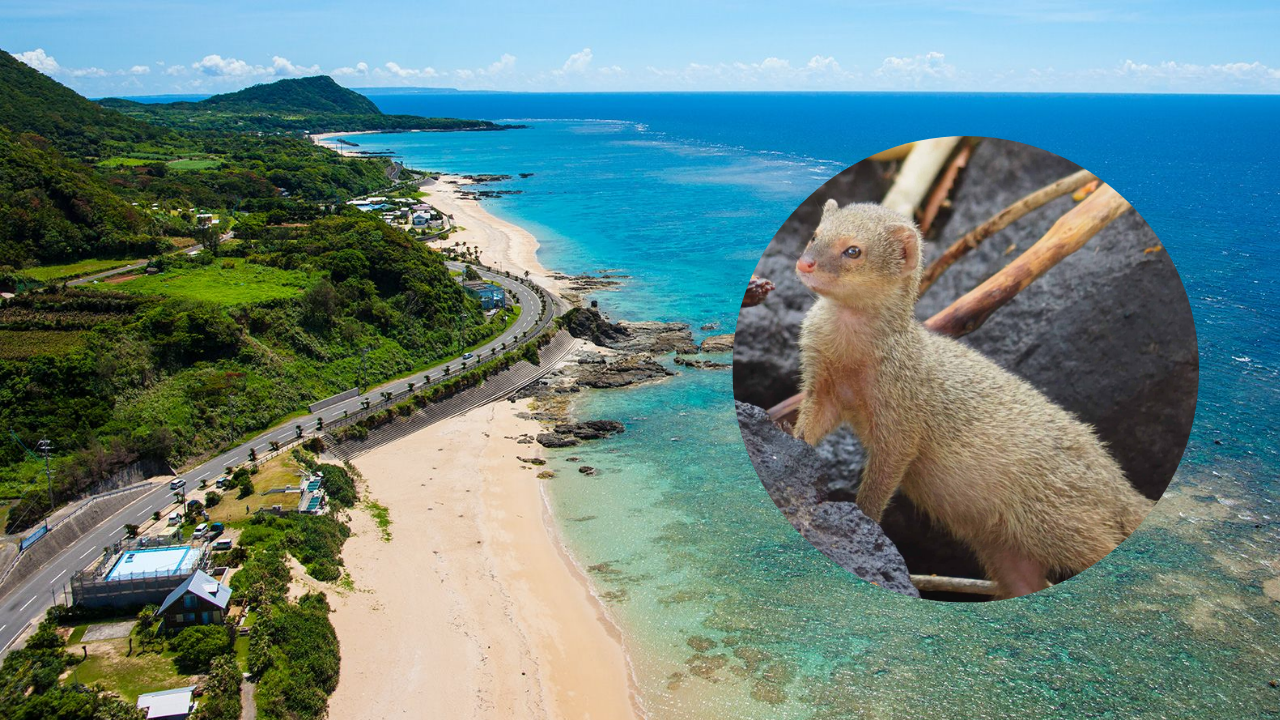
Japan has announced the completion of a significant environmental restoration project with the successful eradication of invasive small Indian mongooses from Amami Oshima, a UNESCO World Heritage site in its southwestern regions. The mongooses, numbering approximately 30 when first released in 1979, were introduced as a biological control measure against habu snakes, which posed a threat to local communities.
What began as a pragmatic wildlife management solution created an unintended ecological crisis. The mongoose population proliferated over the following decades, eventually threatening the island's native fauna and disrupting the delicate ecosystem that the UNESCO designation was meant to protect. Local species, including endemic birds and small mammals, faced mounting pressure from predation by the invasive animals.
The eradication effort required sustained commitment and sophisticated methodology. Japanese authorities deployed rigorous trapping, tracking, and monitoring protocols across the island to locate and remove mongooses systematically. The program demonstrated the technical capacity to address large-scale invasive species challenges, positioning it among the most comprehensive mongoose eradication initiatives documented globally.
With the mongooses eliminated, conservationists anticipate a recovery of native wildlife populations on Amami Oshima. The successful completion of this decades-long project underscores both the ecological consequences of introducing non-native species and the possibility of reversing such damage through coordinated environmental management efforts.