Politics · World News Bureau
Japan targets international couples as domestic wedding market shrinks
As Japan grapples with declining marriage rates at home, the wedding industry is increasingly marketing elaborate ceremonies to foreign couples seeking picturesque venues and cultural experiences.
LSN World News ·
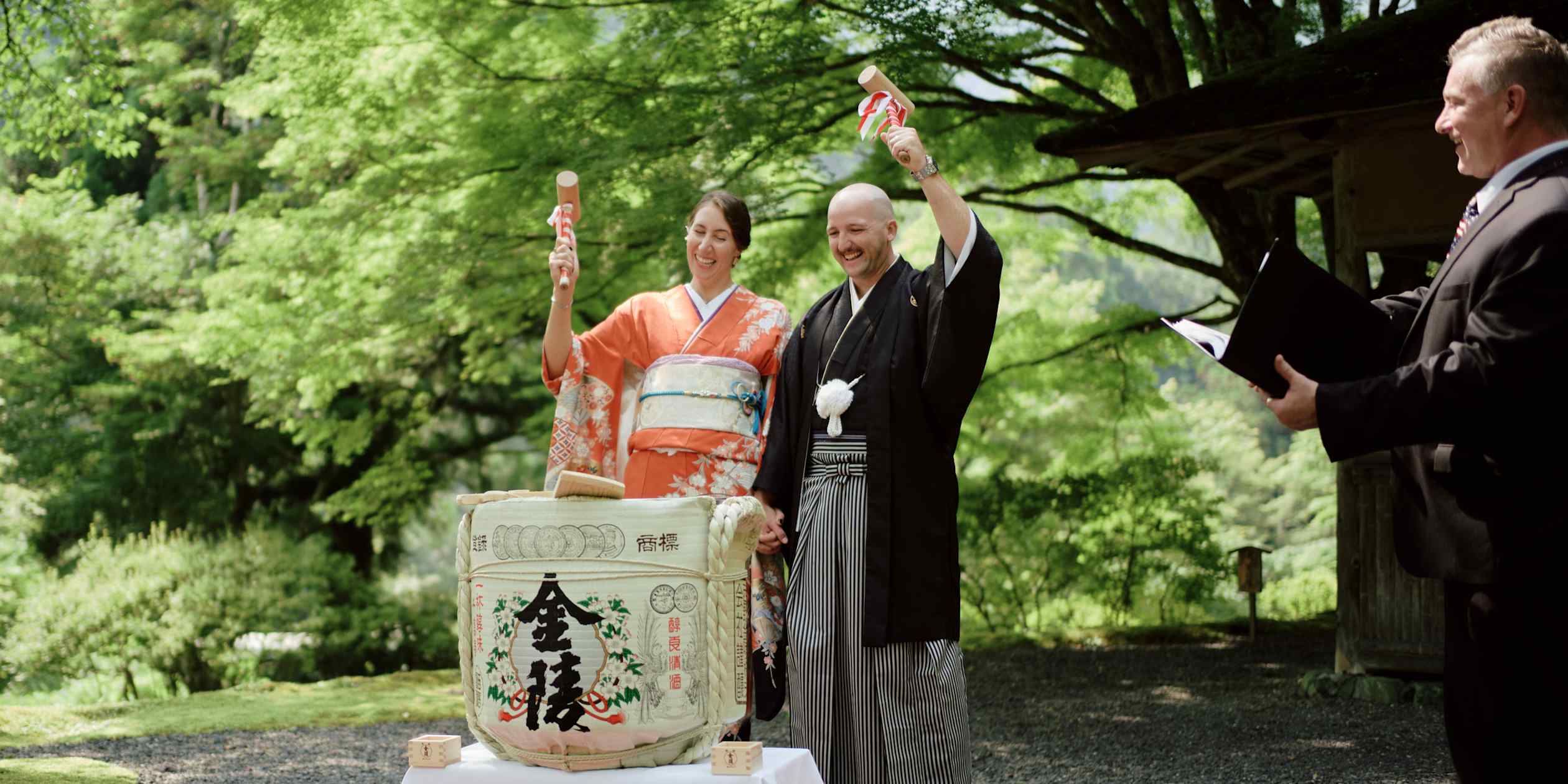
Japan's wedding sector is pivoting toward international clientele as the country's domestic marriage numbers continue their decades-long decline. Major cities and rural destinations are promoting themselves as premium wedding destinations, offering foreign couples elaborate ceremonies that blend traditional Japanese aesthetics with modern hospitality services.
The shift reflects broader demographic pressures facing Japan, where marriage rates have fallen significantly over the past two decades. Fewer domestic ceremonies translate to reduced revenue for wedding venues, planners, and related service providers, prompting industry stakeholders to seek growth opportunities abroad.
Wedding venues across Japan—from Tokyo's upscale hotels to Kyoto's historic districts—are developing international marketing campaigns targeting couples from across Asia, Europe, and North America. These establishments offer customized packages that often feature traditional elements such as Shinto or Buddhist ceremonies, kaiseki dining, and cultural performances, positioning Japan as an alternative to Western wedding destinations.
Tourism authorities have supported this initiative, recognizing weddings as a means to drive visitor spending and enhance Japan's hospitality reputation. The strategy aligns with broader efforts to boost inbound tourism and diversify revenue streams in regions facing population decline.
Industry analysts note this approach could provide sustainable business for wedding-related services while Japan addresses underlying factors contributing to lower domestic marriage rates, including changing lifestyle preferences and economic pressures on younger generations.