World · World News Bureau
Japan to charge rescue fees for off-season Mount Fuji accidents
Japan is implementing a new policy requiring hikers who require rescue on Mount Fuji during off-season months to pay for their own emergency services. The measure aims to discourage risky climbing practices outside the peak tourism periods.
LSN World News ·
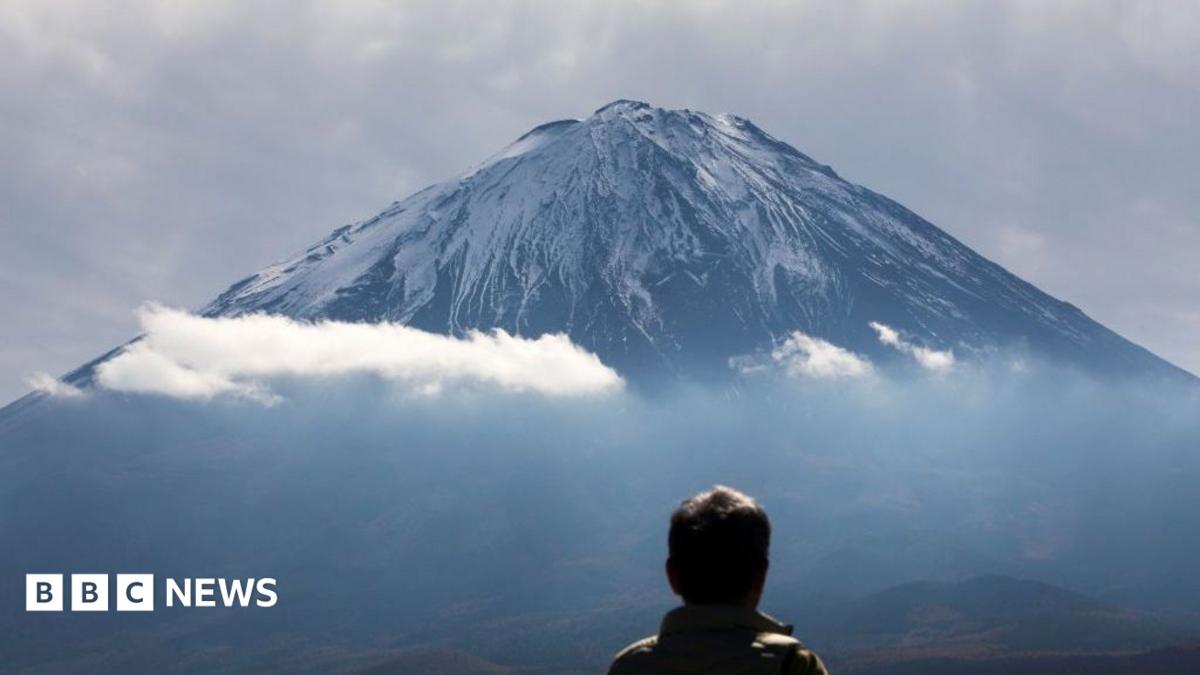
Japan's local authorities have announced plans to impose rescue fees on climbers who become lost or stranded on Mount Fuji during the mountain's off-peak seasons, marking a shift in how emergency response costs are handled on the nation's most iconic peak.
The fee structure will apply to hikers who necessitate rescue operations outside the officially designated climbing season, which typically runs from July through September when the mountain benefits from enhanced safety infrastructure, maintained trails, and staffed mountain huts.
Mountain officials have expressed concern about the growing number of poorly prepared climbers attempting to scale Mount Fuji during winter and early spring months when conditions are considerably more hazardous. These off-season attempts frequently result in costly rescue operations that place demands on local emergency services and volunteers.
The new policy is designed to discourage inadequately equipped climbers from attempting the 3,776-meter summit without proper planning or seasonal preparation. Authorities hope the financial incentive will promote safer climbing practices while generating revenue to offset emergency response expenses.
Mountain rescue operations on Mount Fuji can be resource-intensive and dangerous, requiring trained personnel to navigate treacherous terrain in adverse weather conditions. Officials have stressed that climbers who pursue the mountain during safer periods will not be subject to the new rescue fees.