World · World News Bureau
Japan to charge rescue fees for off-season Mount Fuji accidents
Japan is implementing a new policy requiring hikers who require rescue on Mount Fuji during off-peak seasons to bear the costs of their emergency operations. The measure aims to encourage safer climbing practices outside the official climbing season.
LSN World News ·
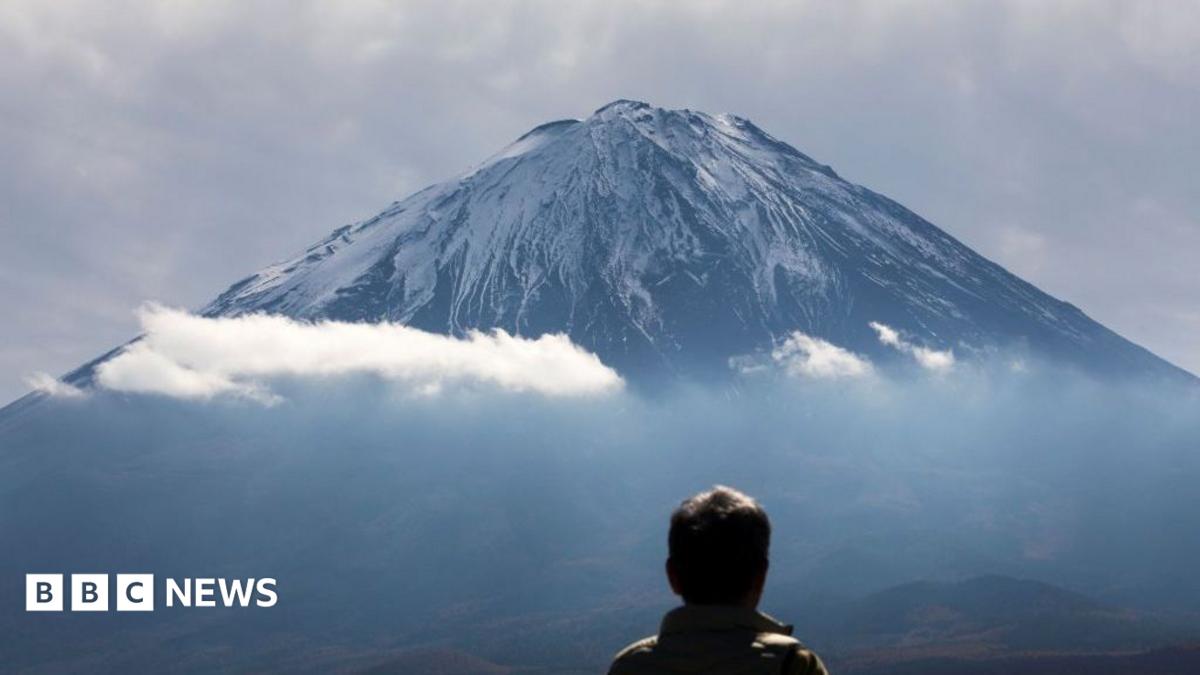
Japanese authorities have announced plans to impose financial penalties on mountaineers who need rescuing on Mount Fuji when the peak is closed to general climbing. The fee structure will apply to those who become lost or injured during the mountain's off-season periods, shifting rescue expenses from government budgets to individuals deemed responsible for their own accidents.
Mount Fuji, Japan's most iconic peak at 3,776 meters, typically operates an official climbing season from early July through early September. Outside these months, the mountain remains open but facilities are shuttered, weather conditions deteriorate significantly, and rescue operations become considerably more difficult and costly.
Authorities have framed the initiative as a safety measure designed to discourage ill-prepared climbers from attempting the mountain during hazardous periods. Officials argue that the financial responsibility will incentivize hikers to respect seasonal closures and improve their preparation standards before attempting the ascent.
The policy reflects growing concerns about rescue operations on Japan's most-visited mountain, which attracts hundreds of thousands of climbers annually. By introducing cost accountability, authorities hope to reduce the number of preventable incidents and associated emergency response expenses during the vulnerable off-season months.