World · World News Bureau
Japan to deploy Type 25 long-range glide missiles to Hokkaido in December, its second site after Camp Fuji
Launchers and targeting equipment for the domestically developed stand-off weapon are due at Camp Kamifurano as early as the start of next month, the first long-range missile deployment on Japan's northern island.
LSN World News ·
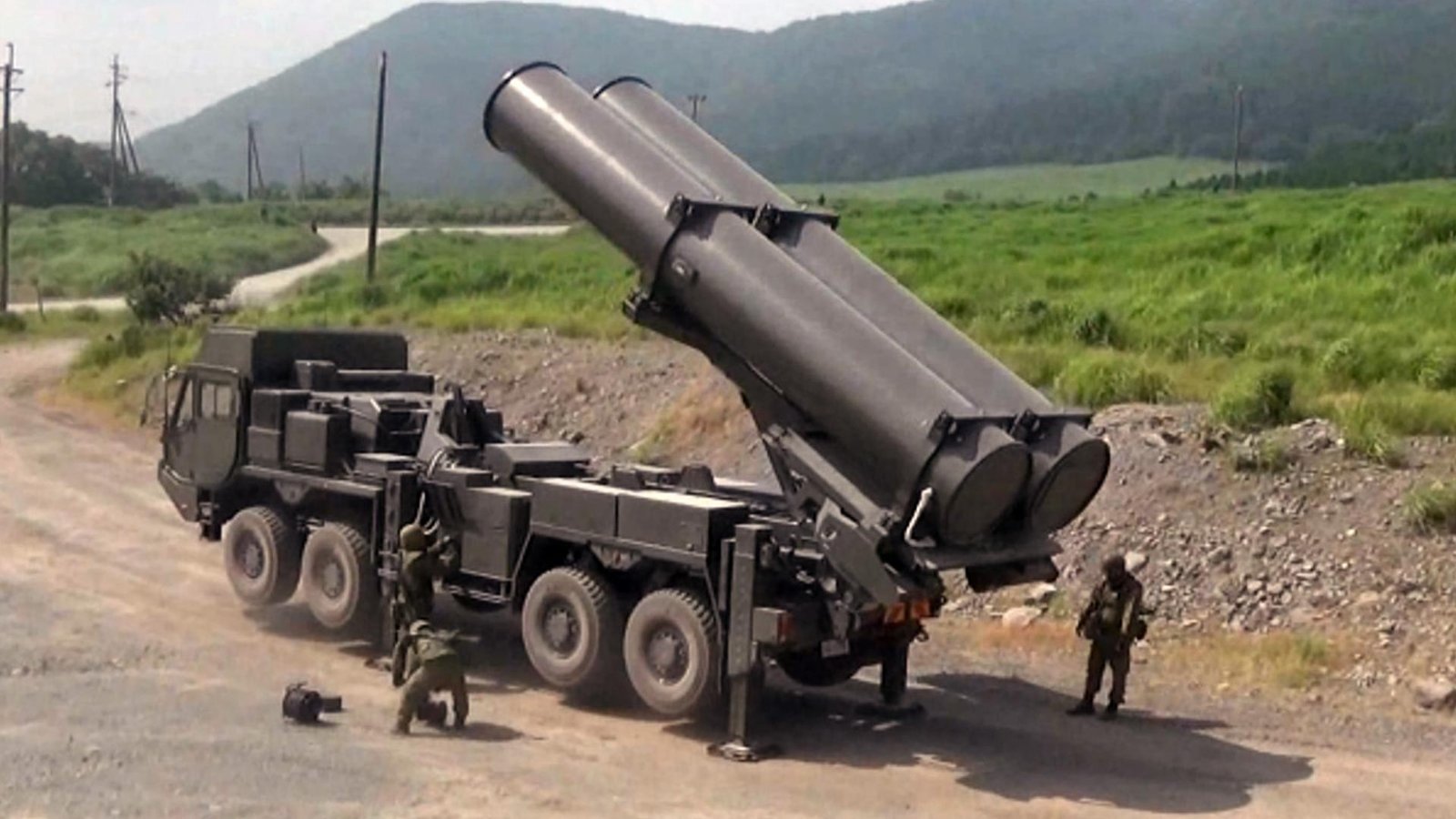
<p>Japan's Ministry of Defense said on Wednesday, 25 November, that the Ground Self-Defense Force will deploy its Type 25 Hyper Velocity Gliding Projectile, a long-range missile counted towards the country's counterstrike capability, to Camp Kamifurano in Hokkaido in December, the Nikkei reported.</p>
<p>Public broadcaster NHK reported that the ministry plans to move launchers and related equipment into the garrison as early as the start of December and to begin the deployment straight afterwards. According to Kyushu Asahi Broadcasting, citing people familiar with the plan, the equipment will include the launchers and the systems used to guide the missiles to their targets, after which a new unit will be formed to operate them.</p>
<p>Kamifurano, a town in central Hokkaido, will become the weapon's second base. The Ground Self-Defense Force first fielded the Type 25 at Camp Fuji in Shizuoka prefecture in March, when Japan began deploying long-range missiles, and the ministry has said a third site, Camp Ebino in Miyazaki prefecture, will receive it before the end of the fiscal year in March 2027. The Nikkei said spreading the launchers across several camps is intended to ensure missiles can still be fired from elsewhere if one site comes under attack.</p>
<p>The Type 25 is a Japanese-developed stand-off missile designed to strike enemy forces that land on remote islands while the launchers remain beyond the reach of enemy weapons. A rocket booster carries a glide vehicle that flies towards its target at high speed and at a lower altitude than a ballistic missile, which makes it difficult to intercept. Its current range is several hundred kilometres, and the ministry plans to extend it to thousands of kilometres in later versions, the Nikkei reported.</p>
<p>Defence Security Asia, citing the Hokkaido Defense Bureau, reported that the new unit will add about 90 personnel to the camp and that the bureau has declined to disclose how many missiles will be stored in Hokkaido or where, saying such details could reveal Japan's capabilities.</p>
<p>Hokkaido faces Russia across the Sea of Okhotsk, close to the southern Kuril Islands, which Japan claims and Russia controls. Tokyo has described the weapon's role in terms of nationwide island defence rather than any single country. The deployment is part of Japan's build-up of long-range strike forces under the National Security Strategy adopted in 2022, which for the first time endorsed the ability to strike enemy bases in response to an attack.</p>
<p><em>A launcher of the Type 25 Hyper Velocity Gliding Projectile system after its deployment at Camp Fuji, March 2026. Image: Japan Ministry of Defense / Japan Ground Self-Defense Force via Wikimedia Commons, CC BY 4.0</em></p>