World · World News Bureau
Japanese automakers chart diverse powertrain strategy amid China's EV push
As Chinese competitors intensify their focus on electric vehicles, Japanese manufacturers are pursuing a broader approach emphasizing multiple power sources including hybrids, fuel cells, and combustion engines alongside battery-powered models.
LSN World News ·
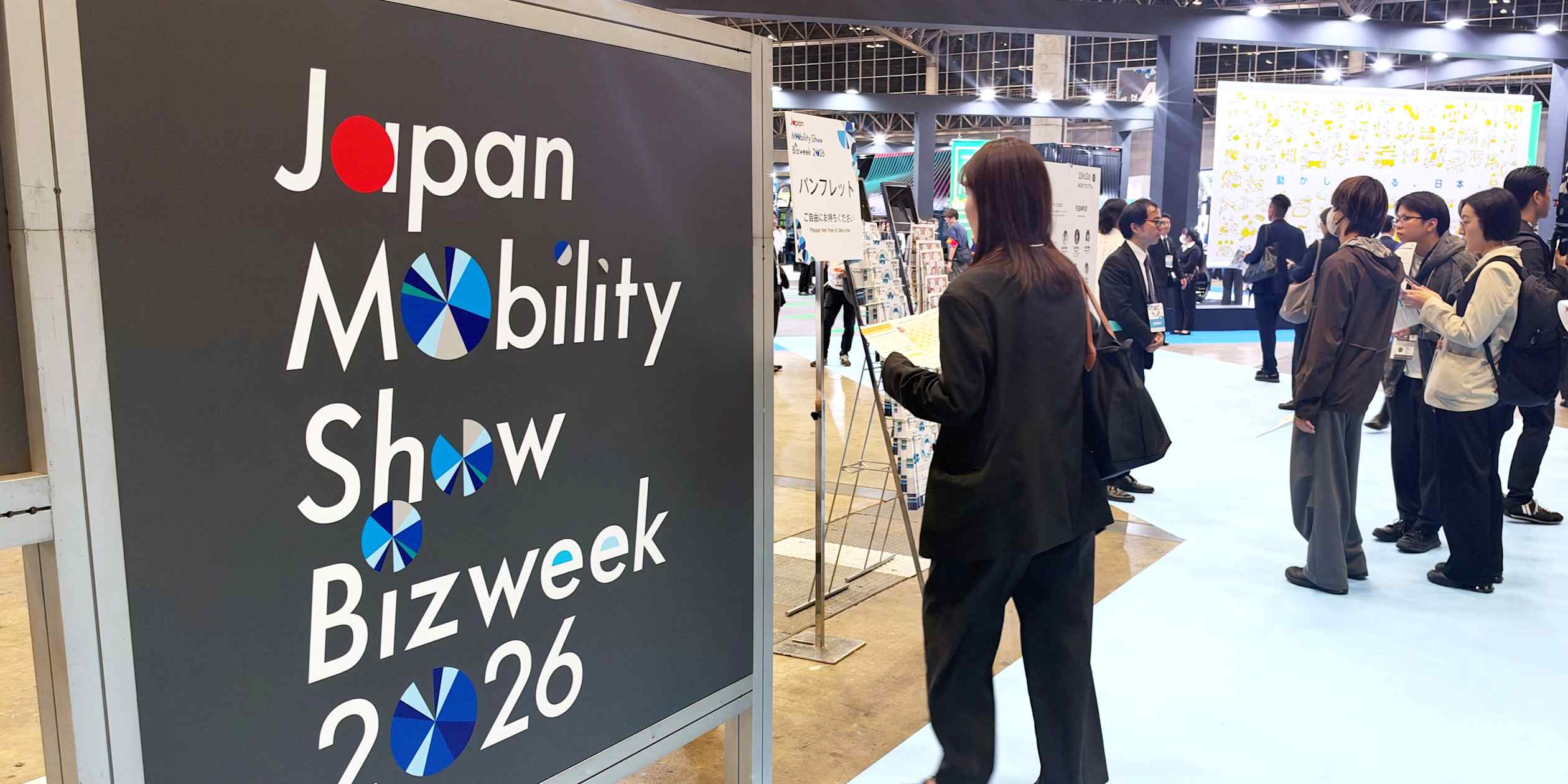
Japanese automakers are diverging from the singular focus on electric vehicles that dominates China's automotive strategy, instead championing a multi-technology approach they argue better serves global market needs and consumer preferences.
While Chinese manufacturers have concentrated investment in battery electric vehicle development and production capacity, Japan's major car producers are advancing parallel technologies including hybrid systems, hydrogen fuel cells, and refined internal combustion engines. Proponents of this strategy contend that different regions and consumer segments require tailored solutions, with some markets showing continued demand for traditional powertrains and others lacking adequate charging infrastructure for mass EV adoption.
The divergent strategies reflect fundamental differences in market positioning and national industrial policies. China has leveraged substantial government support and manufacturing scale to establish dominance in EV production, while Japanese companies leverage decades of experience in hybrid technology and are investing heavily in hydrogen fuel-cell vehicles as a long-term alternative to battery electrification.
Industry observers note that the competing approaches will likely shape regional automotive markets for years to come, with Japanese manufacturers betting that technological diversity will prove more commercially resilient than concentrated EV-only strategies in an uncertain transition period for global mobility.