Business · Singapore Bureau
Japanese banks, airlines take services offline to address PHP security vulnerabilities
Major financial institutions and carriers in Japan have suspended digital services as they rush to patch critical flaws in PHP programming code. The outages underscore Japan's reliance on aging software infrastructure and third-party vendors.
LSN Singapore ·
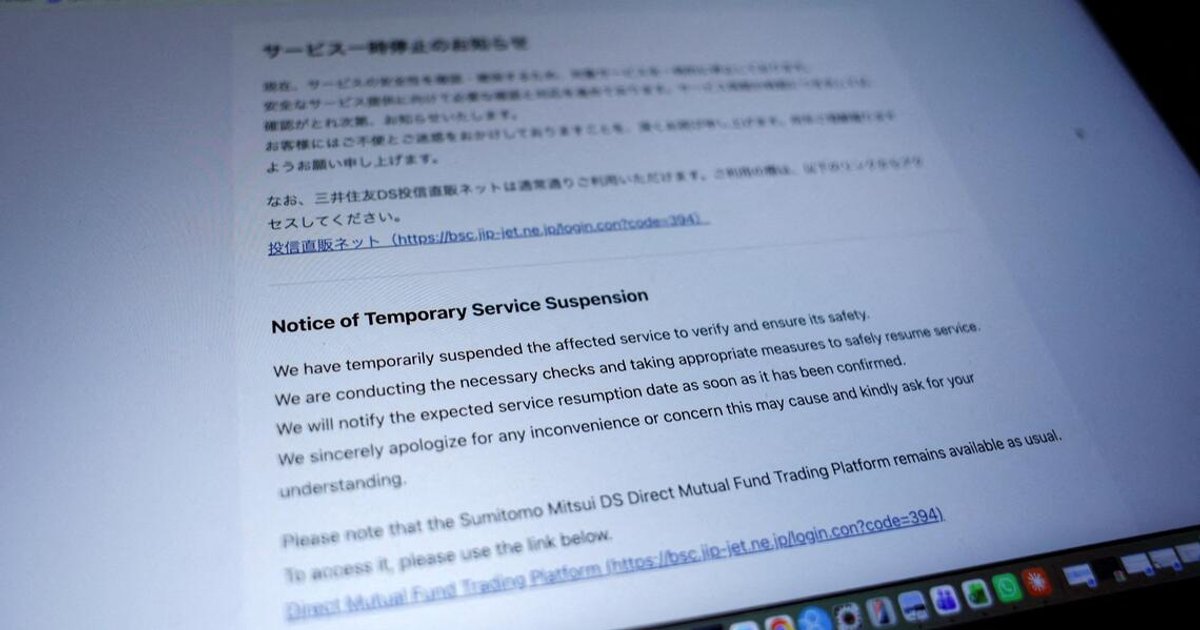
Japanese banks and airlines moved swiftly to take systems offline this week as they addressed serious security vulnerabilities discovered in PHP, the widely-used web programming language. The move affected customer-facing digital platforms across multiple institutions, prompting service disruptions for users attempting to access online banking and flight bookings.
The vulnerabilities prompted rapid response from Japan's financial sector and transportation industry, both of which depend heavily on digital infrastructure to serve millions of customers daily. Financial regulators were monitoring the situation closely as institutions worked through remediation procedures.
Japan has long struggled with legacy system challenges, with many organisations maintaining decades-old software platforms alongside newer technologies. This mixed environment, combined with the country's extensive outsourcing practices, creates particular vulnerabilities when security flaws emerge in widely-deployed tools like PHP.
The incident highlights growing concerns across the Asia-Pacific region about cybersecurity risks in systems that support critical infrastructure. Industry observers noted that similar vulnerabilities could pose risks to institutions throughout the region, particularly those with comparable reliance on legacy platforms and external vendors. Experts have urged organisations to accelerate modernisation efforts and implement more rigorous security testing protocols.
Japanese banks and airlines expected to restore full service capacity within days as patches were deployed and systems underwent security validation.