Technology · World News Bureau
Japanese broadcasters adopt AI to slash production costs
Major Japanese television networks are increasingly turning to artificial intelligence to generate visual effects and streamline production workflows, significantly reducing expenses in an increasingly competitive media landscape.
LSN World News ·
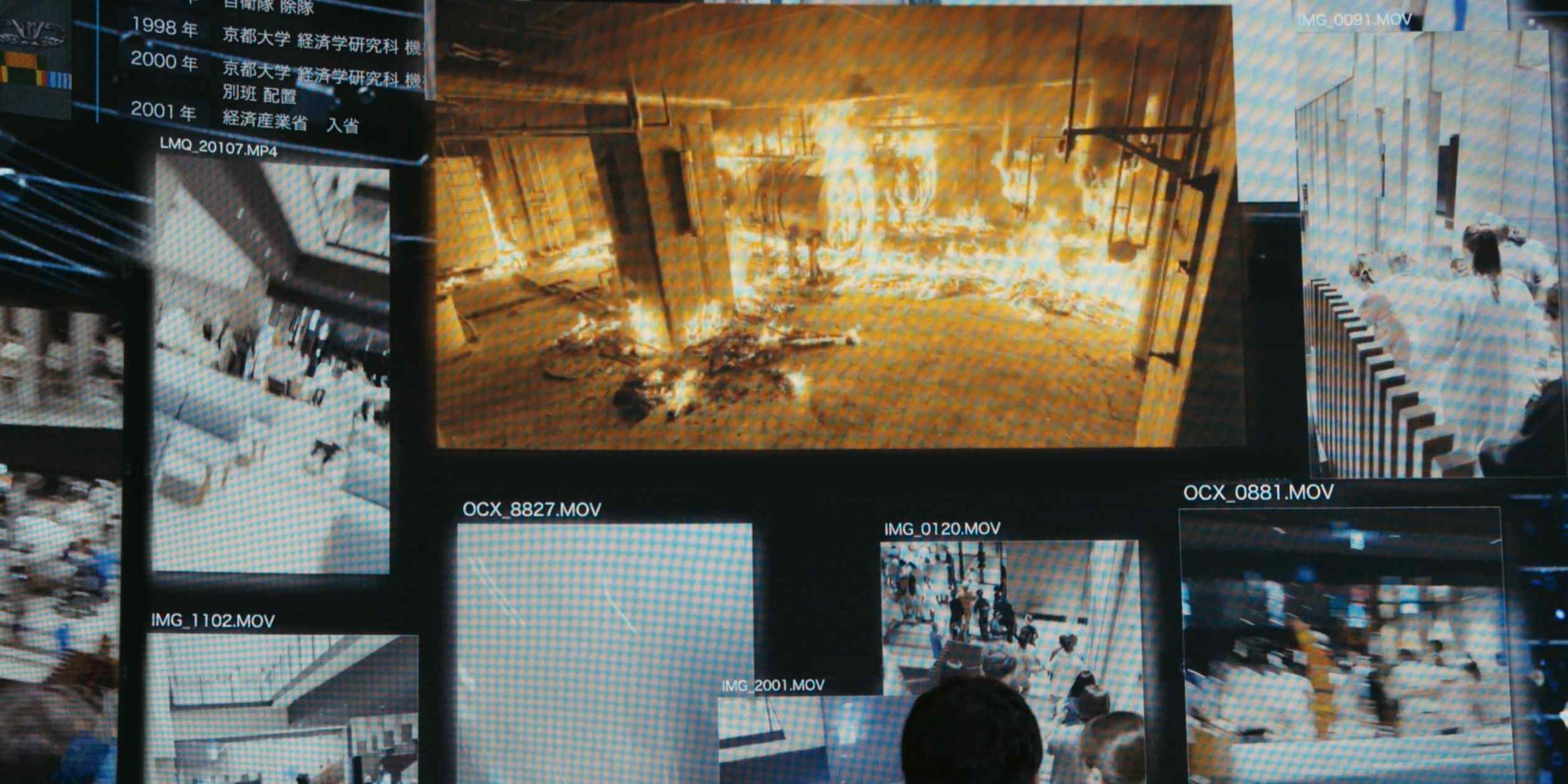
Japanese broadcasters are embracing artificial intelligence technology to create visual effects such as explosions and other costly production elements, marking a significant shift toward automation in television production. The move comes as media companies face mounting budget pressures and rising production costs, prompting executives to explore AI-driven solutions that can deliver quick results at a fraction of traditional expenses.
The technology allows networks to generate complex visual sequences without requiring extensive on-set filming or expensive post-production work. AI tools can produce realistic explosion effects, weather conditions, and other scene elements that previously demanded specialized equipment, trained crews, and extended shooting schedules. This capability enables broadcasters to allocate resources more efficiently across multiple productions.
Beyond visual effects, Japanese broadcasters are implementing AI across various production stages, from scriptwriting assistance to editing and scene composition. The adoption reflects broader industry trends in Asia and globally, where media companies seek technological solutions to maintain profitability amid declining advertising revenues and shifting viewer consumption patterns.
While the cost savings are substantial, some industry observers note potential concerns regarding job displacement in traditional production roles. Nevertheless, Japanese networks view the technology as essential for remaining competitive, particularly as streaming services and international competitors increasingly dominate the media landscape. The integration of AI tools is expected to become more widespread throughout Japan's broadcasting sector in coming years.