Business · World News Bureau
Japanese chipmaker pivots to materials as AI semiconductor demand surges
A Japanese semiconductor startup is repositioning itself to capitalize on artificial intelligence demand by shifting focus toward advanced materials critical to chip production. The move reflects a broader industry trend toward material science as companies compete to meet ballooning AI computing requirements.
LSN World News ·
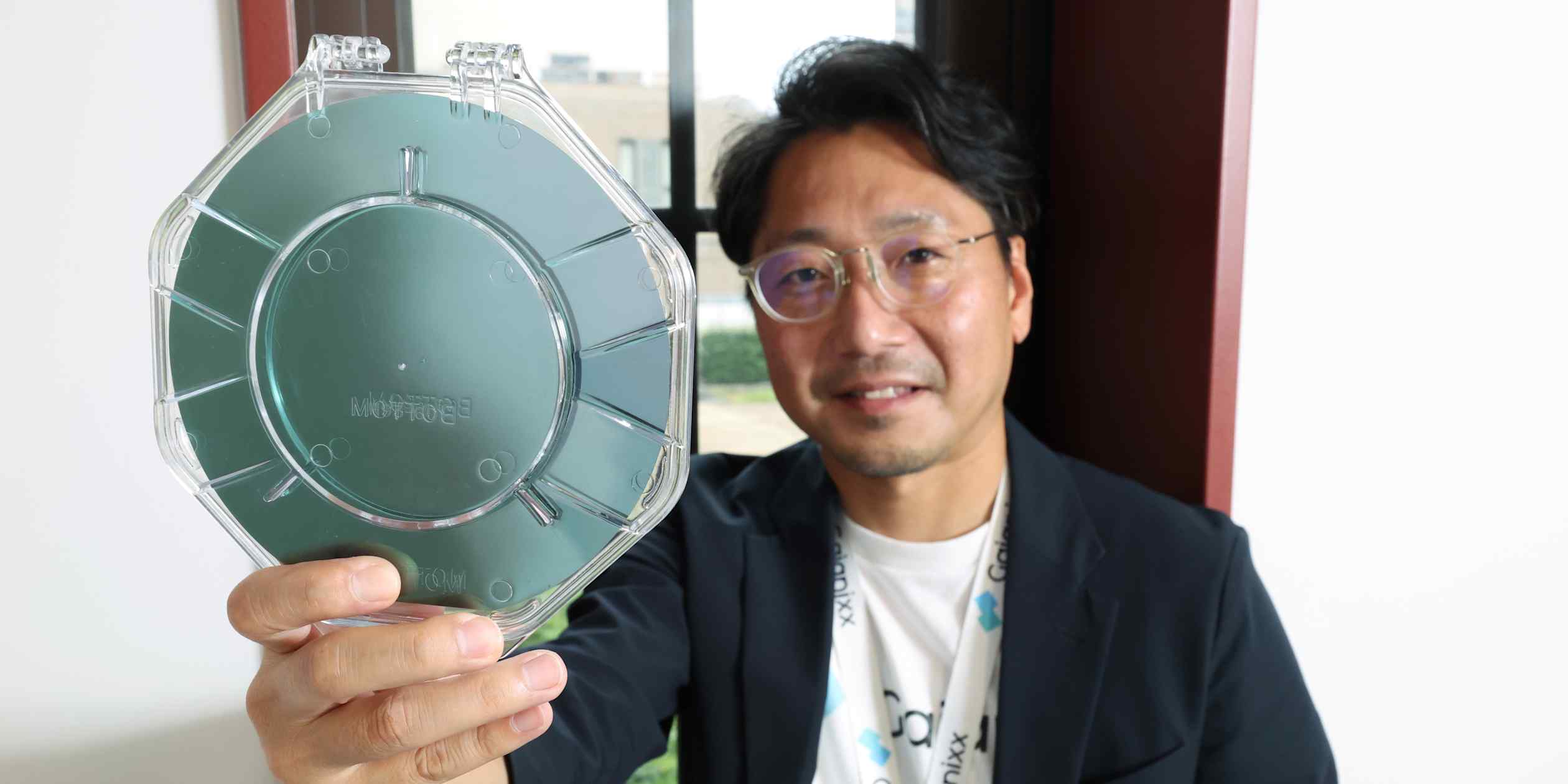
The Japanese chip startup is responding to unprecedented demand for semiconductors powering artificial intelligence applications by concentrating resources on materials technology rather than competing directly in crowded processor markets. Industry observers note the strategic pivot reflects recognition that semiconductor supply chains are increasingly constrained by the availability of specialized materials essential to manufacturing advanced chips.
As global demand for AI-capable processors accelerates, chipmakers and their suppliers are identifying material science as a critical bottleneck. Companies positioned to supply high-purity silicon, rare earth elements, and specialized compounds used in chip fabrication face significant growth opportunities in coming years.
The Japanese firm's reorientation aligns with broader sector trends showing semiconductor companies, particularly those lacking the scale of industry giants, are identifying niche opportunities in the supply chain rather than attempting to compete directly on processor design and volume production. This strategy allows smaller players to capture value from the AI boom while leveraging existing expertise.
Industry analysts expect materials-focused suppliers to benefit disproportionately from elevated semiconductor production levels as companies worldwide expand fabrication capacity to meet AI infrastructure demands. The shift underscores how technological booms often create opportunities throughout supply chains, not solely among final product manufacturers.