World · Singapore Bureau
Japanese cities grapple with expanding raccoon population and crop damage
Raccoon populations are spreading rapidly across Japan, moving beyond rural farmland into urban centres and causing mounting agricultural losses. Local authorities are struggling to manage the invasive species as sightings become increasingly common in city areas.
LSN Singapore ·
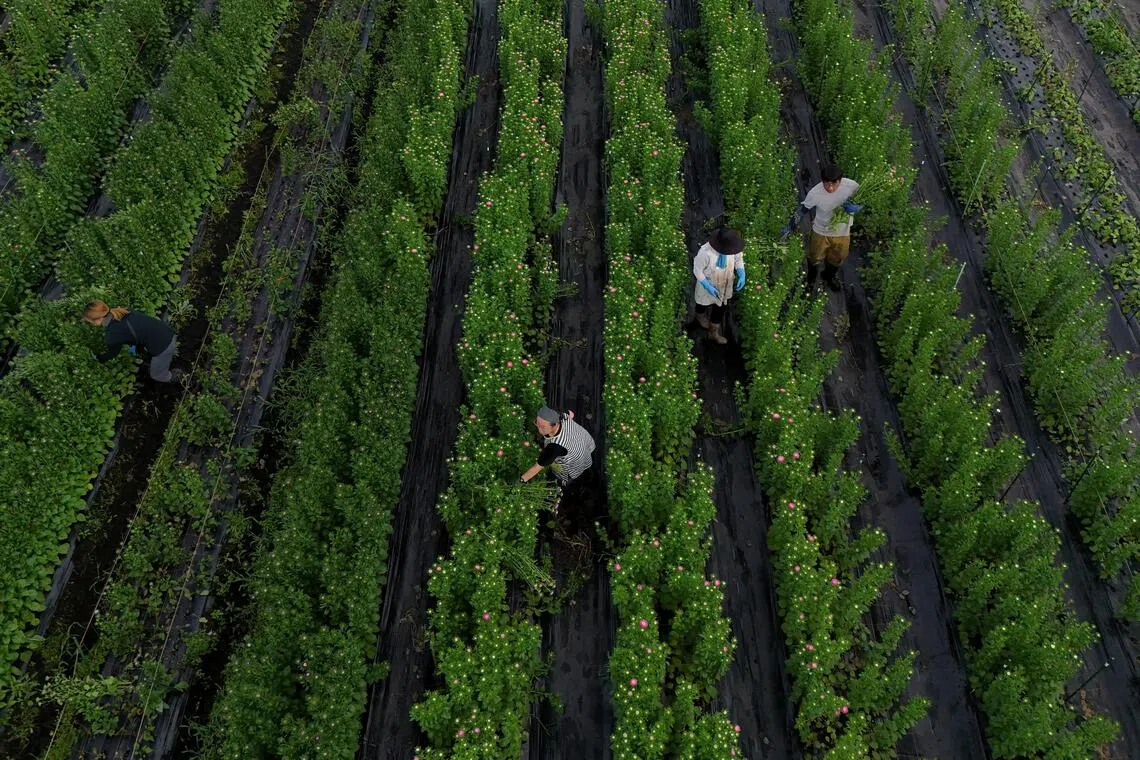
Japan faces a growing problem as raccoon populations expand into metropolitan regions, compounding existing damage to farms and agricultural operations. Once confined primarily to rural areas where they raid crops and livestock, the animals are now appearing with greater frequency in urban and suburban neighbourhoods, alarming residents and straining wildlife management resources.
The expansion reflects the species' adaptability to human environments, where readily available food sources and shelter in buildings and parks enable populations to thrive. Local governments across the country have reported rising numbers of complaints from farmers and residents alike, with raccoons causing significant damage to crops, stored goods, and property.
Municipalities have intensified trapping and removal efforts, though controlling the population remains challenging. The shift toward urban habitation marks a new phase in the ongoing struggle, as wildlife officials work to develop strategies addressing both agricultural and urban wildlife concerns.
The raccoon problem underscores broader challenges Japan faces with invasive species management, as non-native animals increasingly adapt to living alongside human populations across the country.