Politics · Singapore Bureau
Japanese court protects voice rights in landmark TikTok AI ruling
A Tokyo court has determined that human voices warrant legal protection against unauthorized artificial intelligence replication. The decision emerged from a case brought by a prominent voice actor known for work on major anime franchises.
LSN Singapore ·
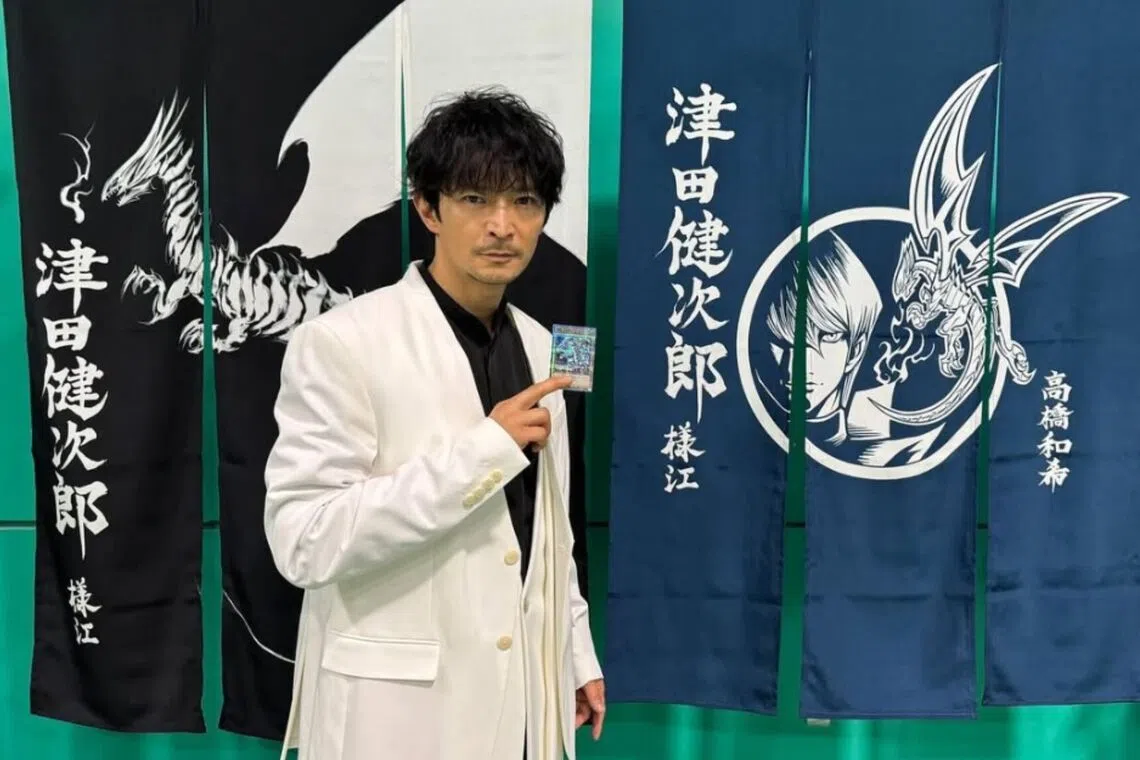
A Japanese court has ruled that human voices qualify for legal protection, establishing an important precedent in cases involving unauthorized AI voice synthesis. The judgment arose from litigation filed by Kenjiro Tsuda, a renowned voice actor recognized for his roles in globally successful anime series including Jujutsu Kaisen and Yu-Gi-Oh!.
The case addresses growing concerns across the entertainment industry regarding the use of artificial intelligence to replicate performers' voices without consent. As AI technology becomes increasingly sophisticated, content creators and entertainers have raised alarms about potential misuse of their distinctive vocal characteristics for commercial purposes or other applications.
The court's determination that voice constitutes a protected personal attribute represents a significant development in Japanese intellectual property and personality rights law. The ruling signals judicial acknowledgment of emerging challenges posed by AI capabilities and establishes a framework for safeguarding performers' distinctive characteristics.
The decision is likely to influence how technology platforms, including TikTok, manage AI-generated content that mimics real individuals. Legal experts anticipate the ruling may prompt other jurisdictions in Asia to examine their own regulatory approaches to AI voice replication and related intellectual property concerns.
The case underscores mounting tension between technological innovation and individual rights protection in the digital age, particularly within creative industries heavily dependent on performer identity and recognition.