World · Singapore Bureau
Japanese farmers shift to night work as extreme heat threatens crops
Agricultural workers across Japan are adopting nocturnal schedules to escape dangerously high temperatures that pose risks to both human health and crop yields. The shift reflects a broader global trend as farmers worldwide adapt to intensifying heatwaves.
LSN Singapore ·
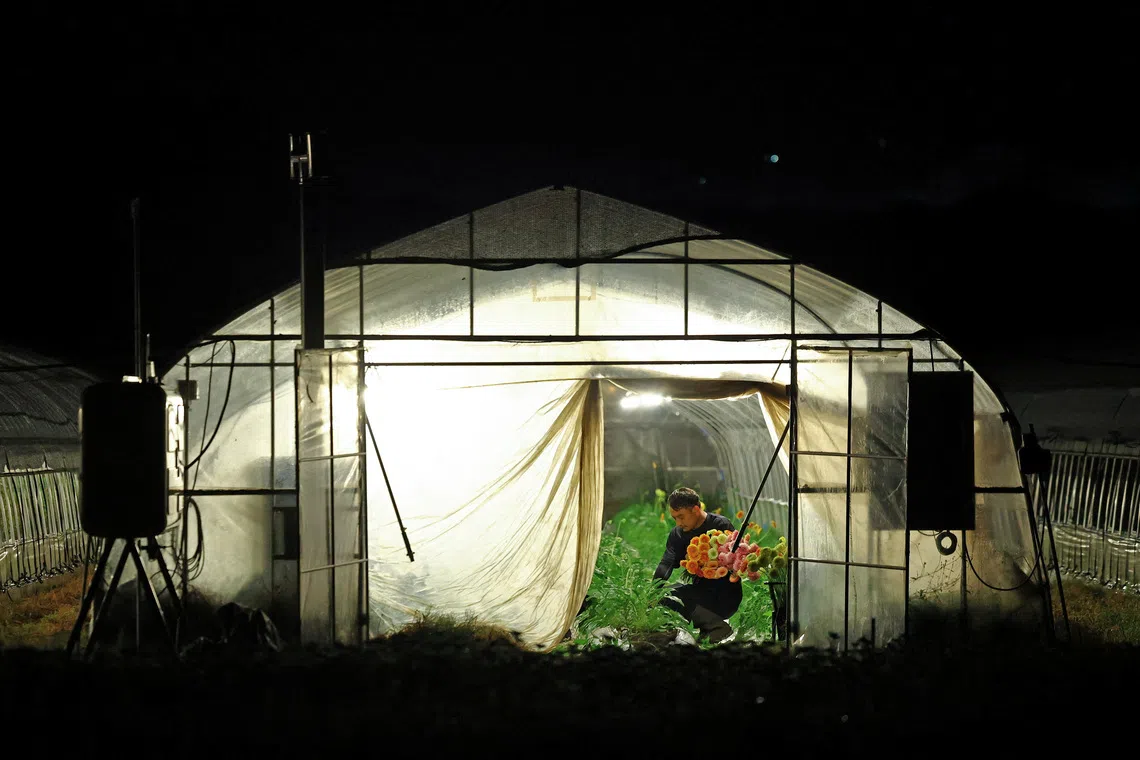
Farmers in Japan have begun restructuring their work routines around cooler nighttime hours as scorching temperatures grip the nation's agricultural regions. The move represents a significant departure from traditional farming practices and underscores the mounting pressures that climate-related extremes place on food production.
By operating during evening and early morning hours, agricultural workers can reduce their exposure to peak daytime heat while also minimizing heat stress on crops and livestock. The practice allows farmers to maintain productivity levels while protecting themselves from heat-related illnesses that have become increasingly common during summer months.
The adaptation comes as Japan, like many nations across Asia and globally, experiences more frequent and intense heatwaves. Meteorological records show temperatures reaching dangerous levels that can damage crops, reduce yields, and pose serious health risks to workers spending extended periods outdoors.
Agriculturalists and industry observers note that such schedule adjustments, while helping in the short term, highlight the need for longer-term solutions to climate resilience in farming. These may include developing heat-resistant crop varieties, investing in irrigation infrastructure, and implementing cooling technologies on farms.
The nocturnal work trend demonstrates how environmental pressures are forcing practical changes across Asia's agricultural sector, with implications for food security and farming communities throughout the region.