Technology · World News Bureau
Japanese firm, startups target Philippines renewable energy boom
JFE Engineering and emerging technology companies are positioning themselves to capitalize on the Philippines' growing demand for clean energy solutions. The moves signal intensifying interest from foreign investors in Southeast Asia's renewable sector.
LSN World News ·
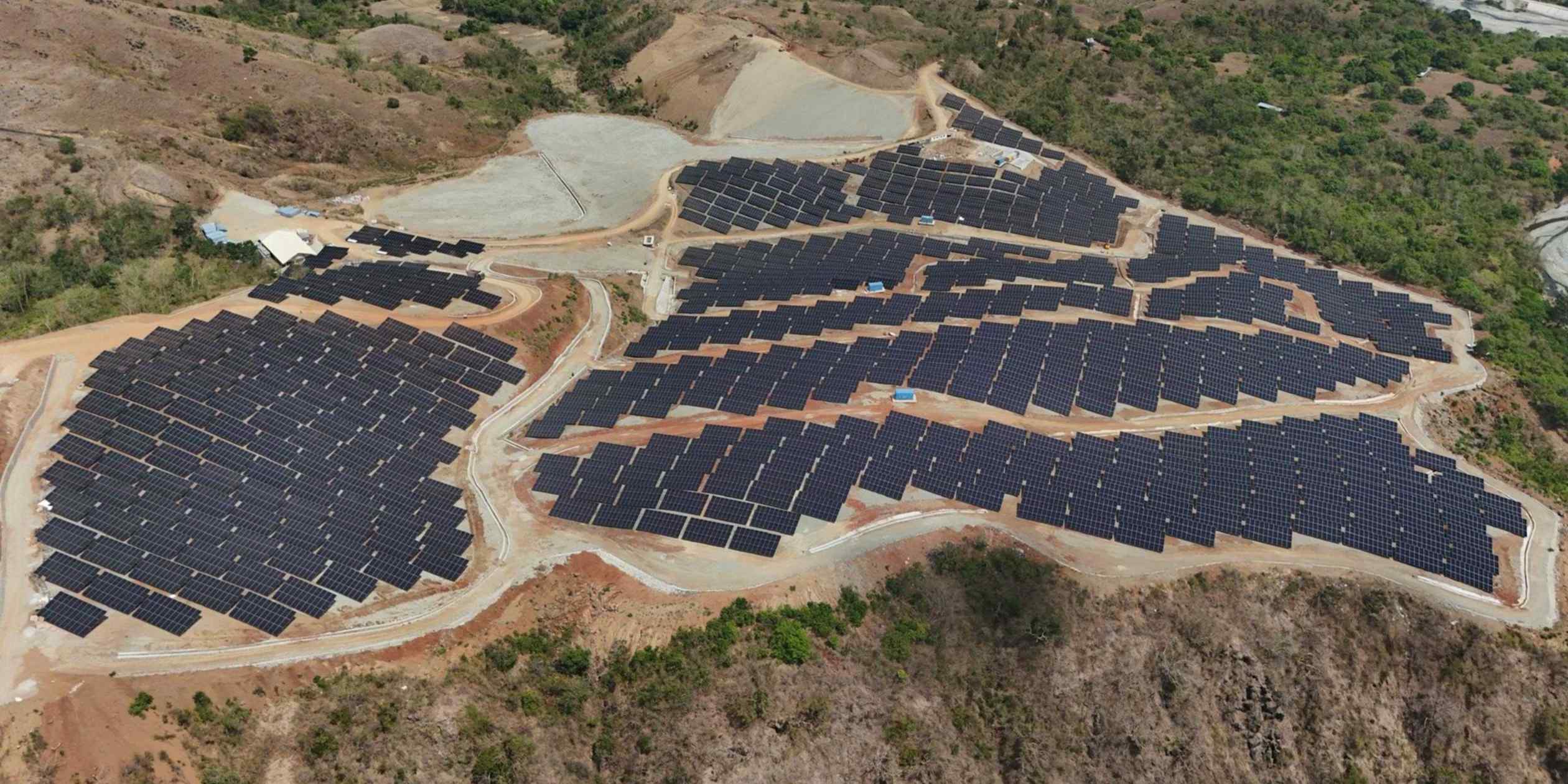
Japan's JFE Engineering has joined a wave of international players seeking opportunities in the Philippines' renewable energy market, partnering with local startups to develop projects across the archipelago. The engineering conglomerate's entry reflects broader momentum in the region as the Philippines moves to diversify its energy sources and meet climate commitments.
The Philippine government has set ambitious renewable energy targets, with plans to substantially increase the share of clean energy in its power generation mix over the coming decade. This regulatory environment has attracted investment from established Japanese firms alongside emerging technology companies eager to capture market share in one of Asia's fastest-growing economies.
JFE Engineering's collaboration with startups underscores a hybrid approach gaining traction in the region, combining large-scale operational expertise with innovative solutions developed by nimbler firms. Such partnerships allow multinational corporations to access cutting-edge technologies while startups gain access to capital, project development experience, and established supply chains.
The Philippines, with its tropical climate and geographic characteristics, presents significant potential for solar, wind, and hydroelectric projects. However, developing renewable infrastructure in the island nation requires navigating complex regulatory frameworks and geographic challenges, factors that favor partnerships between experienced international operators and locally-embedded startups.
Industry observers note that success in the Philippine renewable sector will depend on securing stable government support, addressing grid infrastructure constraints, and establishing viable financing mechanisms for long-term projects.