Business · Singapore Bureau
Japanese firms brace for prolonged yen depreciation with new strategies
Corporate Japan is adapting to sustained yen weakness as currency interventions have failed to reverse the trend. Companies are implementing fresh hedging measures to protect earnings from volatile exchange rates.
LSN Singapore ·
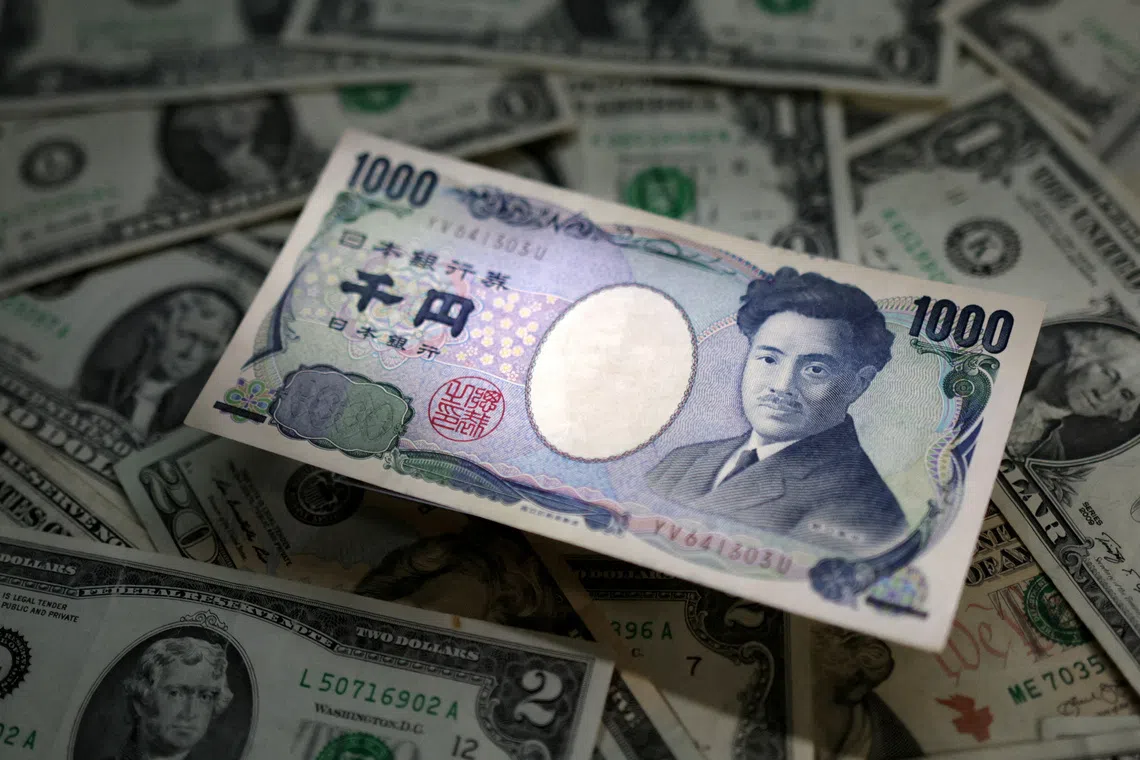
Japanese corporations are reshaping their financial strategies in response to persistent yen depreciation, which has resisted multiple rounds of government intervention over recent years. Despite official efforts to support the currency in 2022, 2024 and 2026, the yen has continued its downward trajectory, prompting businesses to seek alternative risk management approaches.
The prolonged weakness has created both challenges and opportunities for Japan Inc. While exporters benefit from improved competitiveness abroad, companies with significant foreign liabilities and domestic costs face mounting pressure on profit margins. This divergence has spurred firms to diversify their hedging tactics beyond traditional currency forwards and options.
Industry observers note that Japanese companies are increasingly turning to operational hedges, including accelerating foreign production, adjusting pricing strategies, and repatriating overseas earnings more strategically. Some firms are also restructuring supply chains to minimize exposure to unfavourable exchange rate movements.
The shift reflects a broader recognition among business leaders that the yen's weakness may persist for an extended period. Rather than waiting for a reversal, corporations are embedding currency considerations more deeply into long-term business planning and investment decisions. This adjustment underscores how exchange rate volatility has become a structural concern for Japanese enterprises operating in regional and global markets.