World · World News Bureau
Japanese refiners sustain earnings amid Middle East shipping tensions
Major Japanese oil companies have maintained profitability despite geopolitical risks threatening crude supplies through the Strait of Hormuz, capitalizing on operational efficiency and hedging strategies to offset potential disruptions.
LSN World News ·
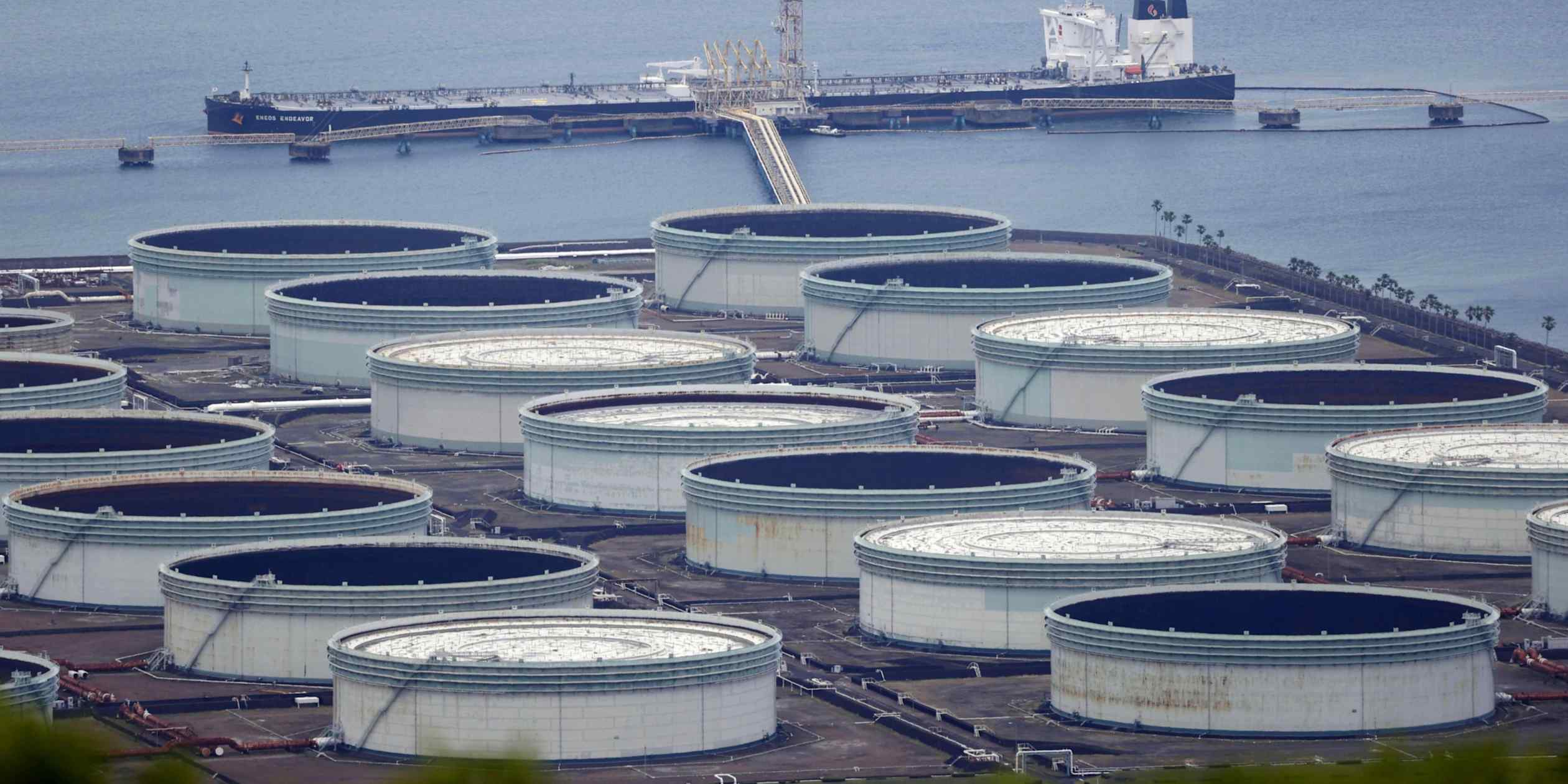
Japan's leading petroleum firms have demonstrated resilience in recent financial results, with earnings remaining stable even as tensions in the Persian Gulf raise questions about the security of global oil transit routes. The Strait of Hormuz, a critical chokepoint handling roughly one-third of seaborne petroleum trade, has become a focal point for supply chain concerns, yet Japanese refiners have managed to absorb these risks without sacrificing profitability.
Industry analysts attribute the sector's steady performance to several factors, including the implementation of robust hedging mechanisms that protect against price volatility and supply disruptions. Major Japanese oil companies have also invested in diversifying their crude sourcing arrangements, reducing their dependence on any single supply route or region. These strategic measures have allowed them to navigate geopolitical uncertainties while maintaining operational margins.
The resilience of Japan's petroleum sector reflects broader corporate adaptation to regional instability. Refining operations have benefited from operational efficiencies and cost management initiatives, even as shipping premiums and insurance costs have fluctuated in response to security concerns. Industry observers note that the ability to absorb external shocks while maintaining financial performance underscores the maturity of Japan's energy infrastructure and risk management practices.
Looking ahead, Japanese energy companies continue to monitor developments in the Middle East and their potential impact on long-term supply agreements and transportation costs. While near-term results suggest sustainable profitability, analysts caution that prolonged disruptions or escalating regional tensions could eventually pressure margins and force adjustments to supply strategies.