Technology · World News Bureau
Japanese robotics firms expand automation beyond factories into diverse sectors
Japanese manufacturers are increasingly deploying robots in non-industrial settings, from forestry operations to laboratory environments, reflecting a broader push to address labor shortages across the economy.
LSN World News ·
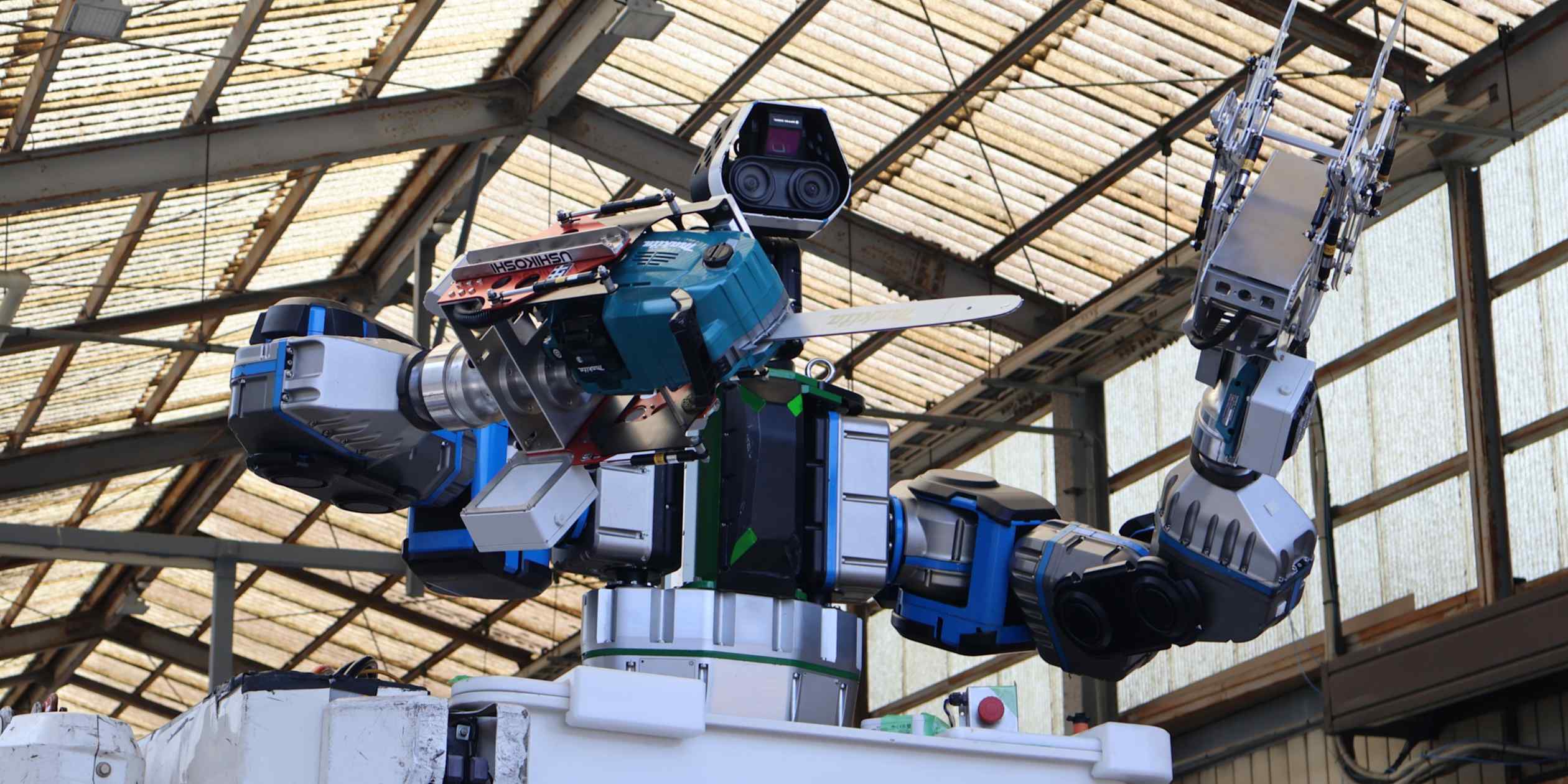
Japan's robotics industry is moving beyond traditional factory automation to tackle labor challenges in agriculture, forestry, and scientific research. Companies are developing specialized machines designed to perform hazardous and labor-intensive tasks that have historically relied on human workers, as demographic shifts and workforce shortages reshape employment landscapes across the nation.
In forestry, Japanese firms have introduced automated systems capable of tree cutting and processing in difficult terrain, reducing the need for workers to operate in dangerous conditions. These machines are engineered to navigate steep slopes and handle heavy timber while maintaining safety standards. Similarly, developments in laboratory automation are streamlining research workflows, enabling faster sample processing and analysis in medical and pharmaceutical facilities.
The expansion into non-manufacturing sectors underscores Japan's commitment to leveraging robotics as a strategic response to an aging population and declining workforce participation. By automating roles in sectors ranging from forestry to healthcare, companies aim to sustain productivity while protecting worker safety. Industry analysts note this trend reflects broader investment in automation across Asia as nations grapple with similar demographic challenges.