World · World News Bureau
Japanese Shipping Firm Achieves Major CO2 Cuts With Hydrogen Engine
A Japanese maritime company has successfully demonstrated a large-vessel hydrogen engine capable of reducing carbon dioxide emissions by 95 percent compared to conventional fuel systems, marking a significant advancement in decarbonizing global shipping.
LSN World News ·
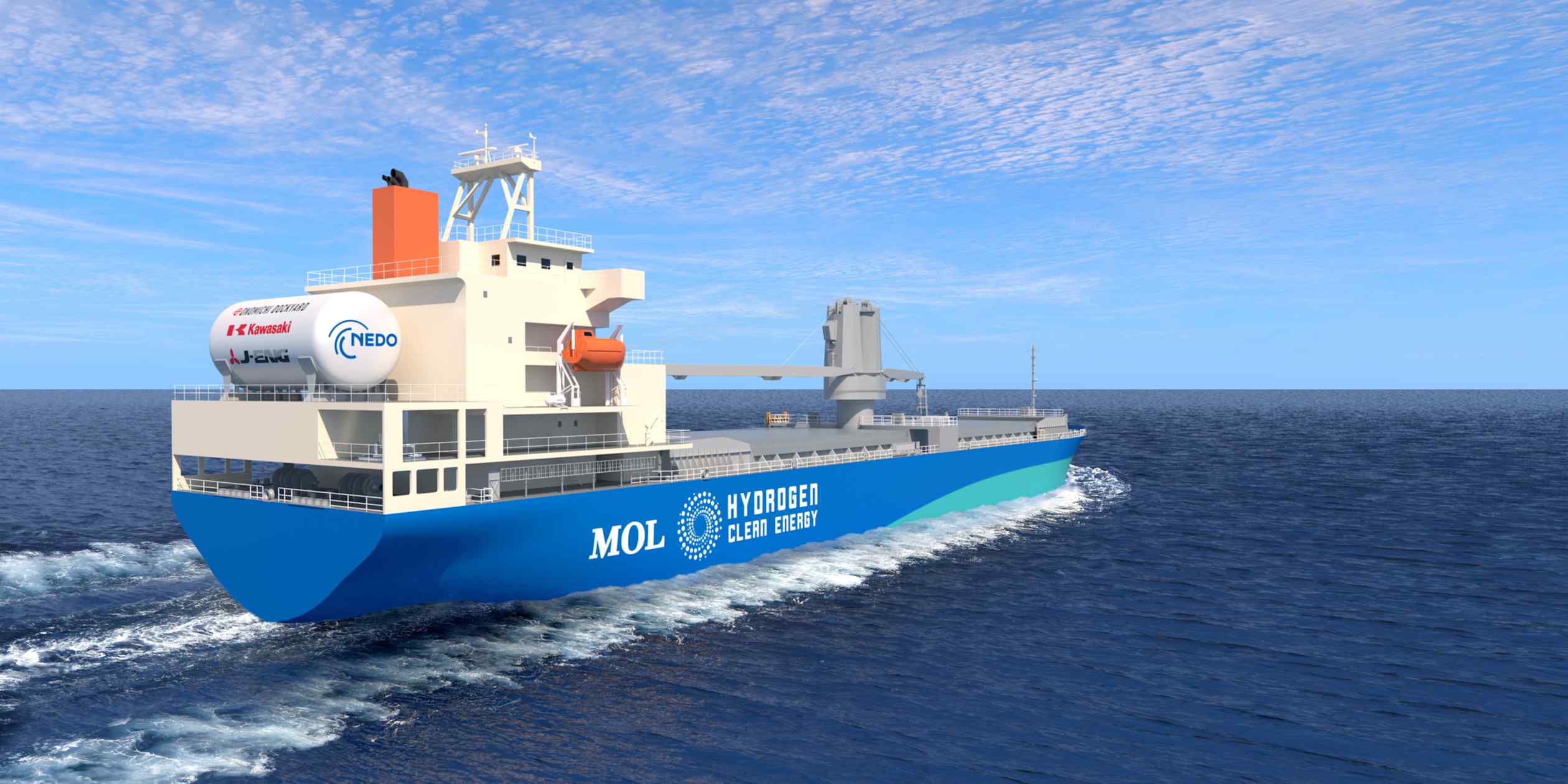
The hydrogen-powered engine represents a breakthrough in maritime technology as the shipping industry seeks ways to meet increasingly stringent environmental regulations and climate commitments. The system, tested on a large-capacity vessel, significantly outperforms traditional fuel options in emissions reduction while maintaining operational efficiency comparable to existing marine propulsion systems.
Shipping accounts for roughly 3 percent of global carbon emissions, with heavy fuel oil remaining the dominant energy source for commercial vessels. The hydrogen engine development addresses a critical gap in available zero-carbon solutions for ocean-going freight transport, an industry sector that has proven difficult to decarbonize compared to road and air transportation.
The successful demonstration comes as international maritime authorities intensify efforts to reduce shipping's environmental footprint. The International Maritime Organization has set targets requiring the sector to achieve net-zero greenhouse gas emissions by 2050, prompting shipping companies and manufacturers to accelerate investment in alternative fuel technologies.
While hydrogen presents promise as a clean fuel option, widespread adoption faces challenges including production capacity, infrastructure development, and vessel retrofitting costs. Industry analysts suggest multiple fuel pathways—including hydrogen, ammonia, and advanced biofuels—will likely be necessary to fully decarbonize global shipping during the transition period.