Technology · World News Bureau
Japanese startup uses microbial innovation to restore degraded Thai farmland
A venture backed by Nagoya University has developed a microbial-based solution to regenerate soil quality in Thailand, addressing agricultural degradation across Southeast Asia's farming regions.
LSN World News ·
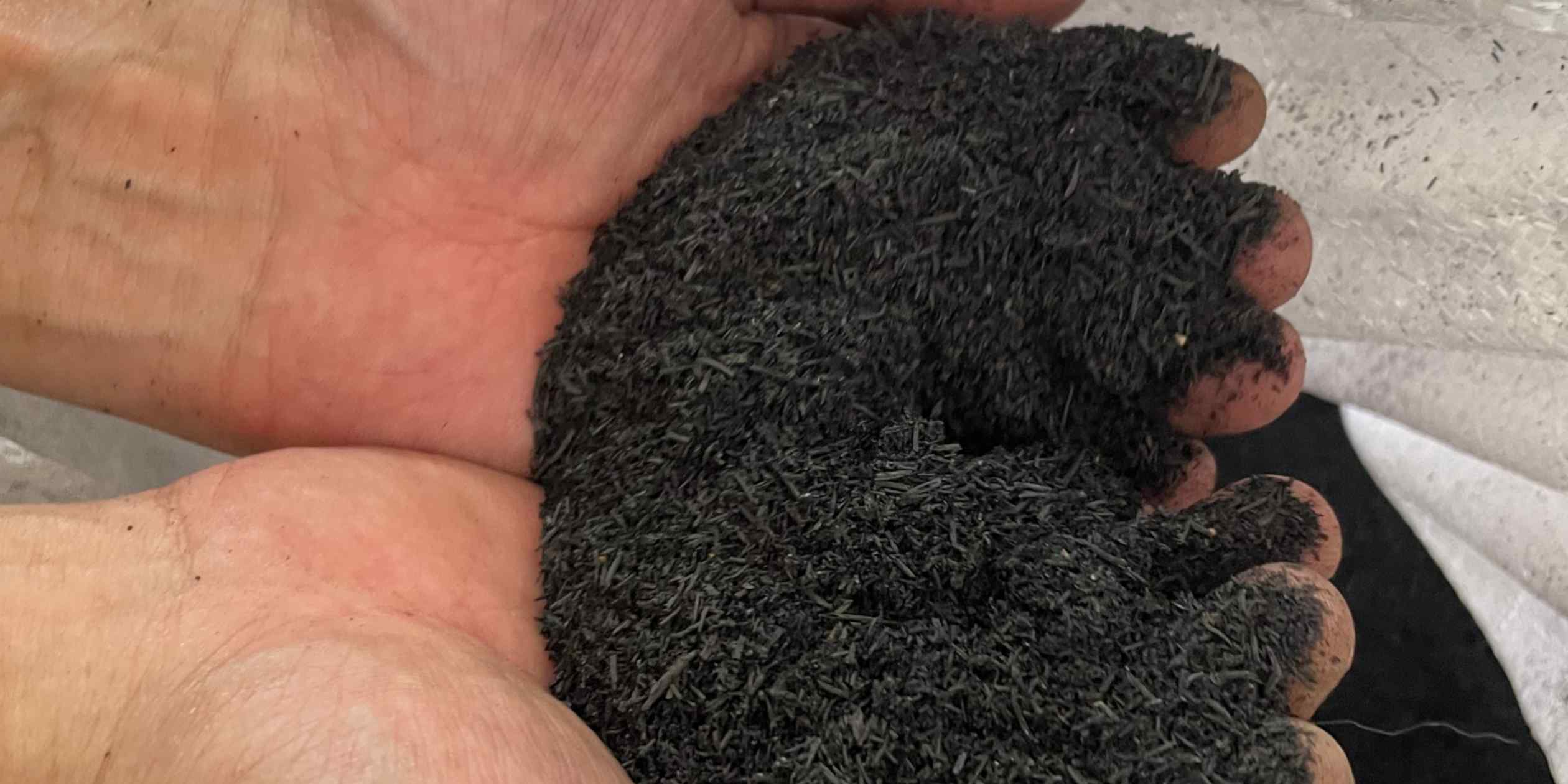
A Japanese startup with ties to Nagoya University is deploying microbial technology to tackle soil degradation affecting Thai agricultural communities. The innovation introduces beneficial microorganisms designed to restore soil health and productivity in regions where conventional farming practices have diminished land quality.
The startup's approach leverages microbial science to improve soil structure, nutrient cycling, and overall fertility without requiring extensive chemical inputs. This method aligns with growing interest across Southeast Asia in sustainable agricultural practices that balance productivity with environmental stewardship.
Thailand's agricultural sector has long grappled with soil degradation resulting from intensive farming, monoculture practices, and inadequate land management. The microbial solution represents a biological intervention that could potentially benefit smallholder farmers facing declining yields on marginal lands.
The initiative reflects broader trends among Japanese technology firms seeking to export agricultural solutions to neighboring Asian markets. By combining university research with commercial application, the venture demonstrates how academic institutions are increasingly partnering with startups to translate scientific advances into practical farm-level interventions.
The project's success in Thailand could provide a model for addressing similar soil health challenges across Southeast Asia, where agricultural productivity remains central to rural livelihoods and food security.