Business · Singapore Bureau
Japanese temples turn to investment strategies amid rising costs
With maintenance expenses climbing and Buddhist congregations shrinking, temples across Japan are exploring financial investments to ensure their long-term survival. The shift reflects broader economic pressures facing Japan's religious institutions.
LSN Singapore ·
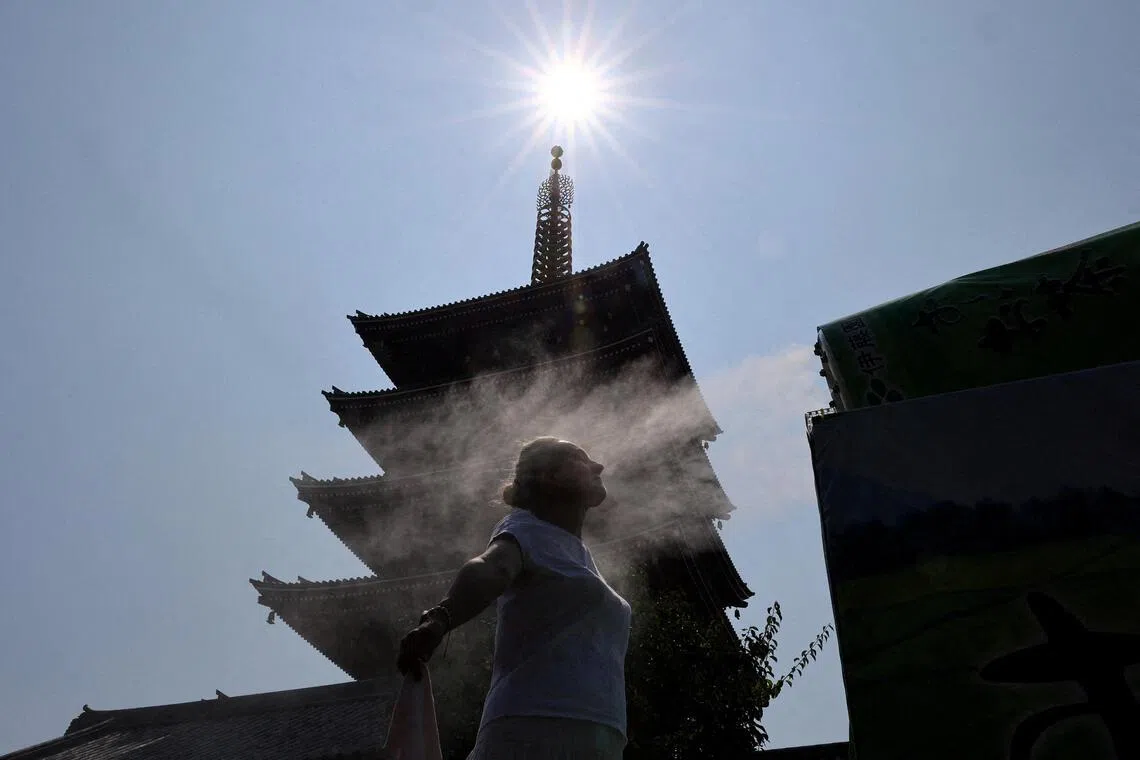
Buddhist temples throughout Japan are increasingly turning to investment strategies as mounting operational costs and a declining faithful population strain their finances. The wooden structures that form the heart of many temples require expensive upkeep, with inflation driving preservation costs to record levels. Faced with shrinking donations and fewer adherents, temple administrators are exploring alternative revenue streams to bridge widening budget gaps.
The financial pressures reflect Japan's changing religious landscape. As younger generations move away from traditional practices, temple memberships have contracted significantly, reducing the steady income that historically sustained these institutions. Simultaneously, the cost of maintaining centuries-old wooden buildings has escalated due to rising material and labour expenses, leaving many temples unable to balance their budgets through conventional means alone.
Temple investment initiatives range from modest ventures to more substantial financial commitments designed to generate passive income. Some institutions have established endowment funds, while others have explored partnerships with financial institutions to better manage their assets. These moves, while unconventional for traditionally non-commercial religious establishments, represent pragmatic responses to Japan's economic environment.
Experts say the trend underscores broader challenges facing Japan's religious sector. Unless temples can stabilise their finances, many face difficult choices about preservation and operations. The investments signal that religious institutions are adapting their business models to ensure their architectural and cultural heritage survives for future generations.