World · Malaysia Bureau
Japanese village pursues Peru partnership to reverse population decline
A rural Japanese municipality has forged a sister-city arrangement with a Peruvian town, betting on cultural exchange and people-to-people connections to attract young settlers and reverse demographic decline.
LSN Malaysia ·
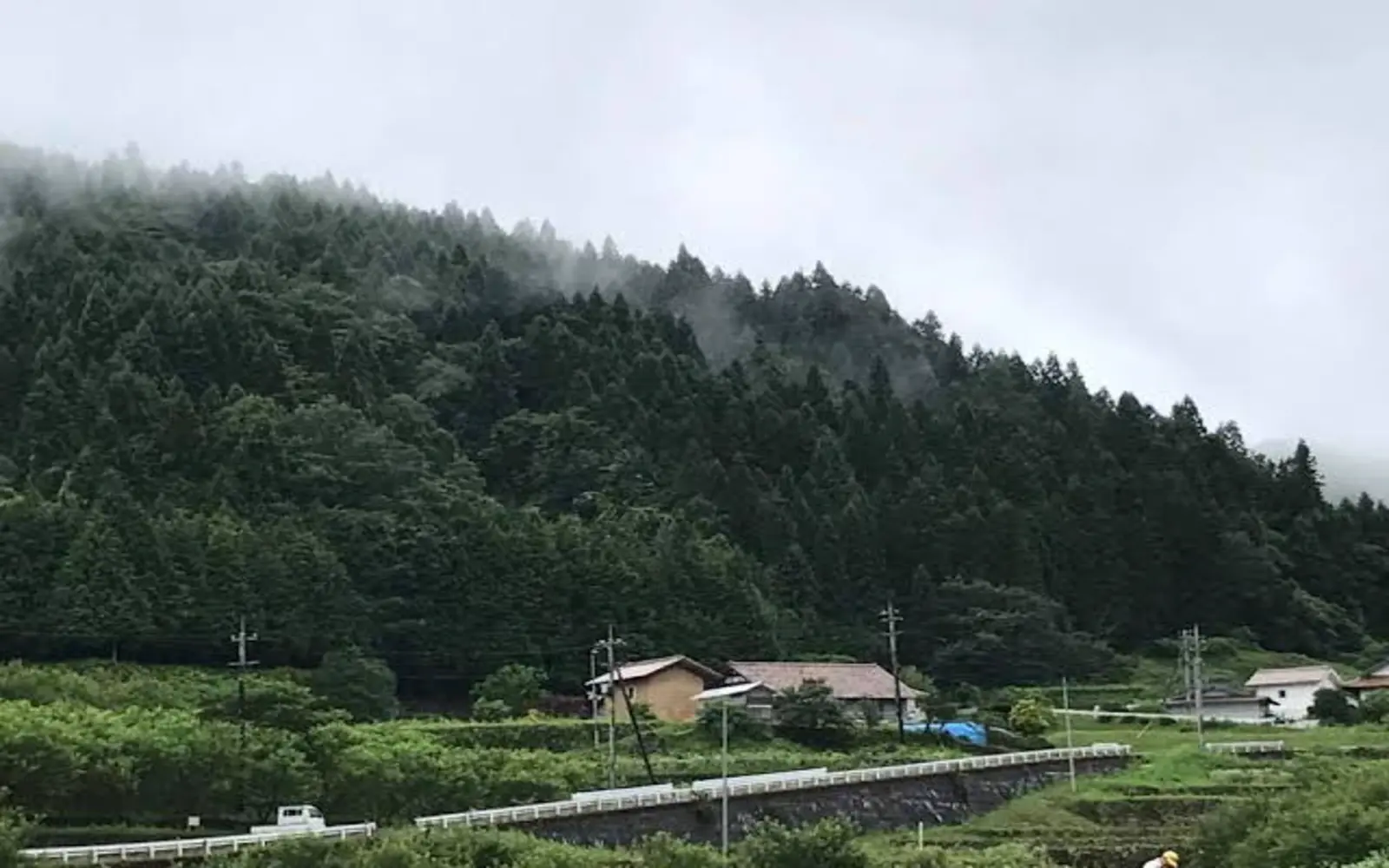
Nanmoku, a village in Japan facing the demographic challenges common to many rural communities, has established a formal sister-city relationship with Belen in Peru as part of a strategy to attract younger residents and revitalise the aging population.
The agreement aims to strengthen ties between the two municipalities through enhanced cultural and community exchange programmes. Officials hope that deeper connections will encourage citizens from Belen to consider relocating to Nanmoku, bringing renewed economic and social vitality to the region.
Japan's rural areas have experienced significant population outflows for decades as residents migrate to urban centres in search of employment and amenities. This trend has left many villages and small towns struggling with ageing populations and shrinking workforces, forcing local governments to seek innovative solutions.
The sister-city model represents one approach some Japanese communities have adopted to address these challenges. By fostering international partnerships and cultural exchanges, village officials believe they can create pathways for immigration and community development that might otherwise remain untapped.
The initiative reflects broader efforts across rural Japan to combat depopulation through creative governance and cross-border collaboration, though success will depend on factors including economic opportunities, housing availability, and integration support for newcomers.