Politics · India Bureau
JD(S) alleges Congress funding CJP protests as row escalates
Janata Dal (Secular) leader H.D. Kumaraswamy has accused the Congress government in Karnataka of bankrolling demonstrations by the Confederation of Indian Judiciary Professionals in Delhi. The allegation follows reports of the state's Home Minister equating Congress with the CJP and pledging no legal action against protest participants.
LSN India ·
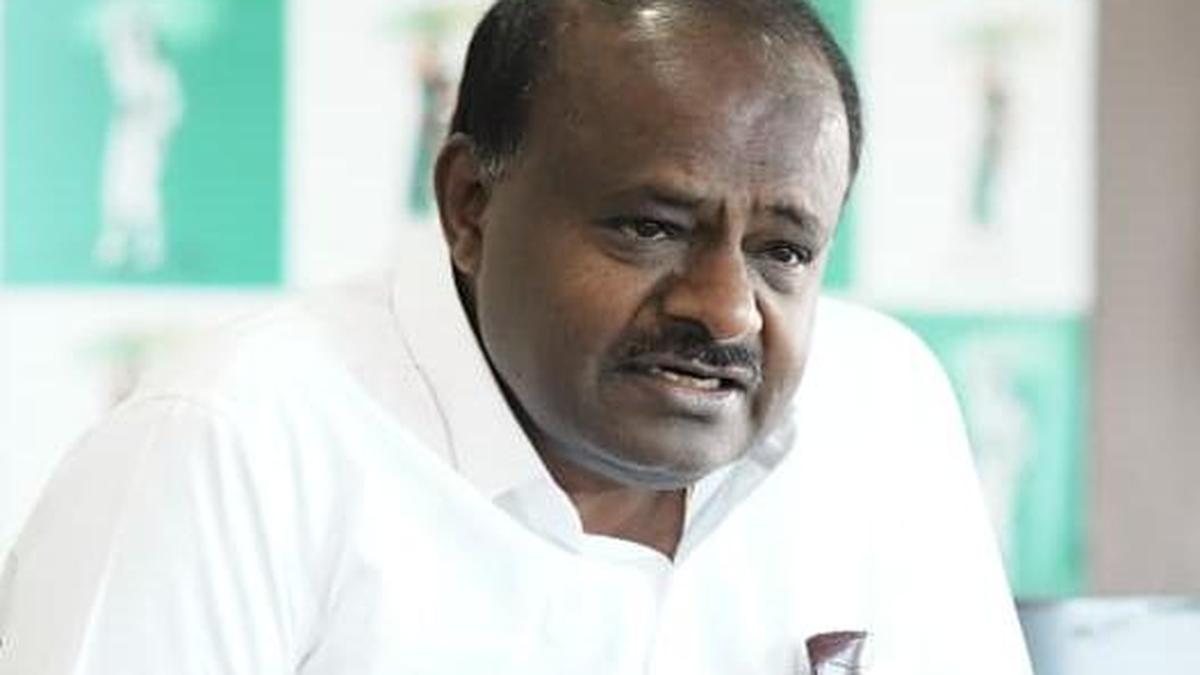
H.D. Kumaraswamy, a prominent Janata Dal (Secular) figure, levelled fresh accusations against the Congress administration in Bengaluru on Wednesday, claiming it was financing protests organized by the Confederation of Indian Judiciary Professionals (CJP) in the national capital. The JD(S) leader's remarks came in response to statements attributed to Karnataka's Home Minister, who reportedly drew a parallel between the ruling Congress party and the CJP while indicating that no criminal proceedings would be initiated against CJP activists irrespective of disturbances caused during demonstrations.
The controversy underscores growing political tensions in Karnataka, where rival parties have increasingly traded barbs over governance and protest movements. Kumaraswamy's assertion that state funds were being channelled to support the Delhi-based agitations added a fresh dimension to the dispute, though he did not provide specific evidence to substantiate the claim.
The Home Minister's reported remarks—suggesting equivalence between Congress and the CJP while pledging immunity for protesters—drew sharp criticism from opposition quarters. JD(S) leaders argued that such statements revealed a troubling willingness to shelter certain groups from legal accountability, potentially at taxpayers' expense.
The row reflects broader political friction in Karnataka ahead of forthcoming elections. Both Congress and JD(S) have sought to position themselves as guardians of public interest, while accusing the other of misusing state machinery and resources for factional purposes. Political observers note that such exchanges often intensify during periods of electoral competition and shifting political alignments in the state.