World · India Bureau
JNU researchers identify human protein enabling malaria, kala-azar parasites
Scientists at Jawaharlal Nehru University have discovered that a specific human protein facilitates the survival and proliferation of parasites responsible for malaria and kala-azar. The finding could open new avenues for disease prevention and treatment.
LSN India ·
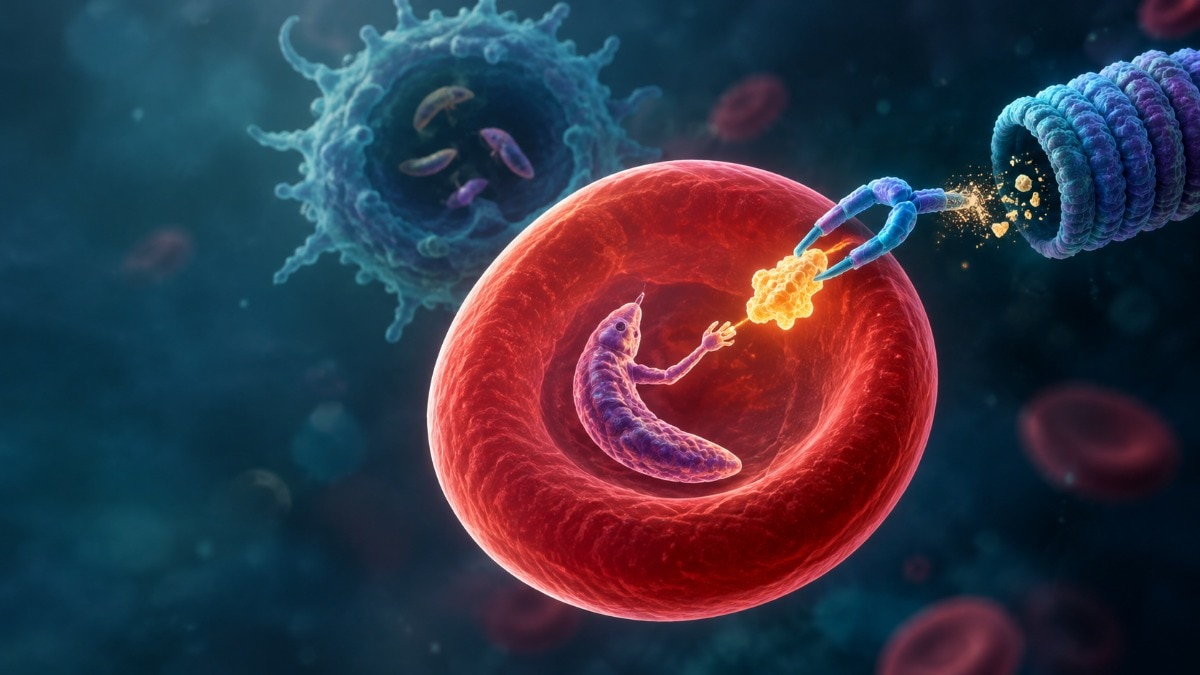
Researchers at JNU have pinpointed a human protein that plays a critical role in enabling malaria and kala-azar parasites to establish infection and thrive within the body. By identifying this molecular mechanism, the scientists have potentially uncovered a new target for therapeutic intervention against two of Asia's most significant infectious diseases.
Kala-azar, also known as visceral leishmaniasis, and malaria remain major public health challenges across South and Southeast Asia, causing substantial morbidity and mortality. The parasitic diseases exploit various biological pathways within human cells to survive and multiply. The JNU team's discovery of this particular human protein's role in parasite survival represents a significant advance in understanding disease pathogenesis.
The research suggests that neutralizing or blocking this protein could potentially inhibit parasite replication and disease progression. Such an approach could complement existing antimalarial and anti-kala-azar medications, particularly in addressing drug-resistant strains that have emerged in recent years. The findings may inform development of novel preventive and curative strategies against both infections.
The discovery underscores the importance of basic research in identifying new therapeutic targets for parasitic diseases that disproportionately affect populations in tropical and subtropical regions. Further studies are expected to translate these laboratory findings into practical clinical applications for patients across the region.