World · Malaysia Bureau
Johor Bahru rail expansion must prioritize passenger demand over politics
Infrastructure planners in Johor Bahru face mounting pressure to align rail network development with actual commuter needs rather than political objectives. Experts warn that misaligned projects risk substantial public investment with minimal returns.
LSN Malaysia ·
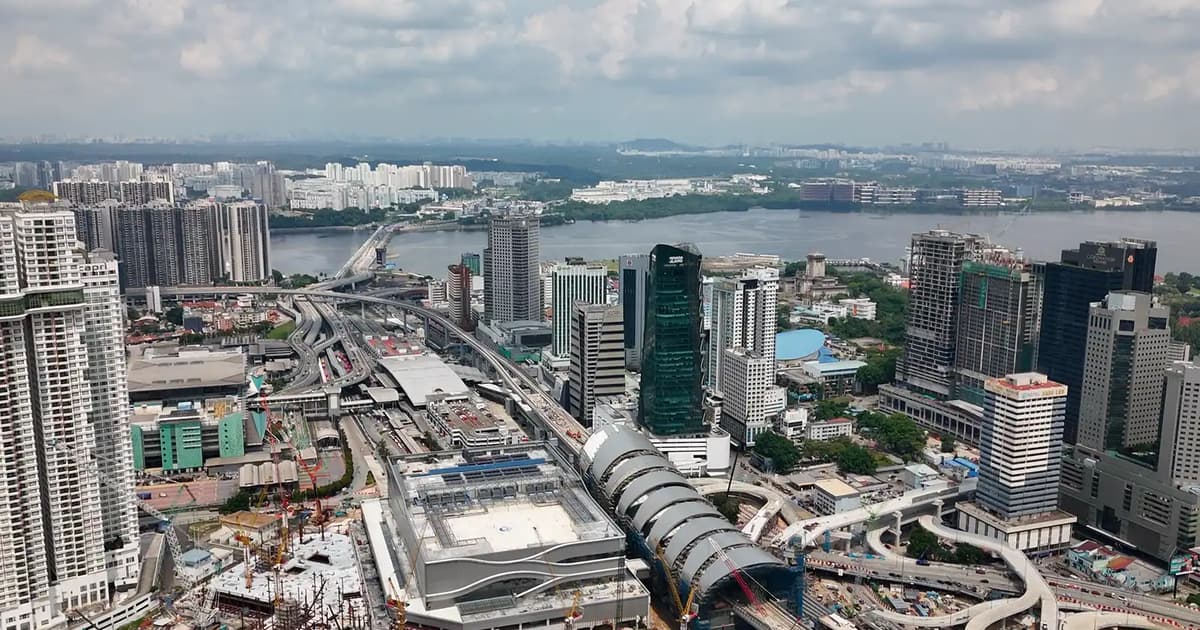
As Johor Bahru continues to expand its rail infrastructure, urban planners and transport analysts are raising concerns about the disconnect between project planning and real-world demand patterns. The state's rapid growth has prompted multiple rail initiatives, yet questions persist about whether these developments genuinely address commuter requirements or serve other agendas.
Transport economists note that ambitious infrastructure projects require rigorous demand analysis before implementation. Without this foundational work, even well-funded initiatives can underperform, straining public finances and failing to ease congestion. Johor Bahru's experience mirrors challenges observed across Southeast Asian cities where infrastructure spending has occasionally preceded comprehensive needs assessments.
Stakeholders including urban developers, transport authorities, and residents have called for greater transparency in project selection criteria. A data-driven approach—examining commuter patterns, population density, and connectivity gaps—could better ensure that rail investments deliver tangible benefits to the traveling public.
The state government faces pressure to demonstrate that future rail expansions will be grounded in empirical transport needs rather than other considerations. As Johor Bahru's economy grows and its population expands, aligning infrastructure development with actual demand patterns will be crucial for creating an efficient, responsive public transport system.