Business · World News Bureau
JPMorgan warns of uncertainty in oil forecasts amid US-Iran tensions
The major US bank has acknowledged difficulty predicting crude prices, citing unpredictable geopolitical factors and questioning previously assumed economic thresholds that might constrain policy decisions.
LSN World News ·
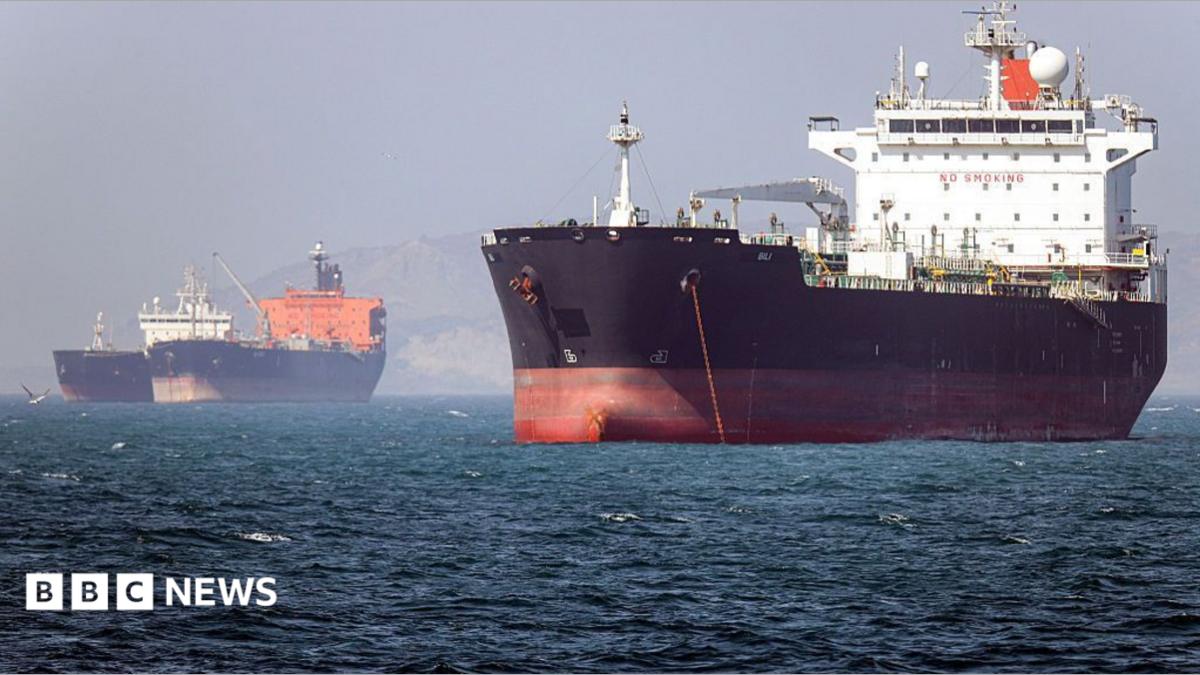
JPMorgan Chase has signalled growing uncertainty about its ability to forecast oil prices reliably, reflecting the volatile geopolitical environment surrounding US-Iran relations and broader Middle Eastern tensions.
The bank acknowledged that it had previously "assumed" certain economic guardrails would constrain policy decisions, including an oil price ceiling around $100 per barrel that officials would be unwilling to breach. However, this assumption now appears unreliable in the current environment.
The forecast challenge underscores how traditional economic models struggle to account for the unpredictable nature of geopolitical escalation and policy responses. Energy markets have long been sensitive to Middle Eastern developments, but the intensity of current US-Iran friction has introduced variables that resist conventional analysis.
For investors and policymakers across South and Southeast Asia, where economies are heavily dependent on oil imports, JPMorgan's uncertainty carries immediate implications. Regional crude import costs remain exposed to sudden shocks, while governments face difficulty planning energy budgets in the absence of reliable price guidance from major financial institutions.
The bank's candid acknowledgement of forecasting limitations reflects broader challenges facing analysts navigating an era of heightened strategic competition and unpredictable executive decision-making regarding foreign policy matters.