Politics · India Bureau
Justice Nagarathna drafts Sabarimala reference verdict on women's temple access
Supreme Court Justice B.V. Nagarathna has begun writing the judgment on a curative petition challenging the 2018 ruling that permitted women of all ages to worship at Kerala's Sabarimala temple. The reference, which stems from a 4-1 majority decision, addresses fundamental questions about women's entry to the centuries-old shrine.
LSN India ·
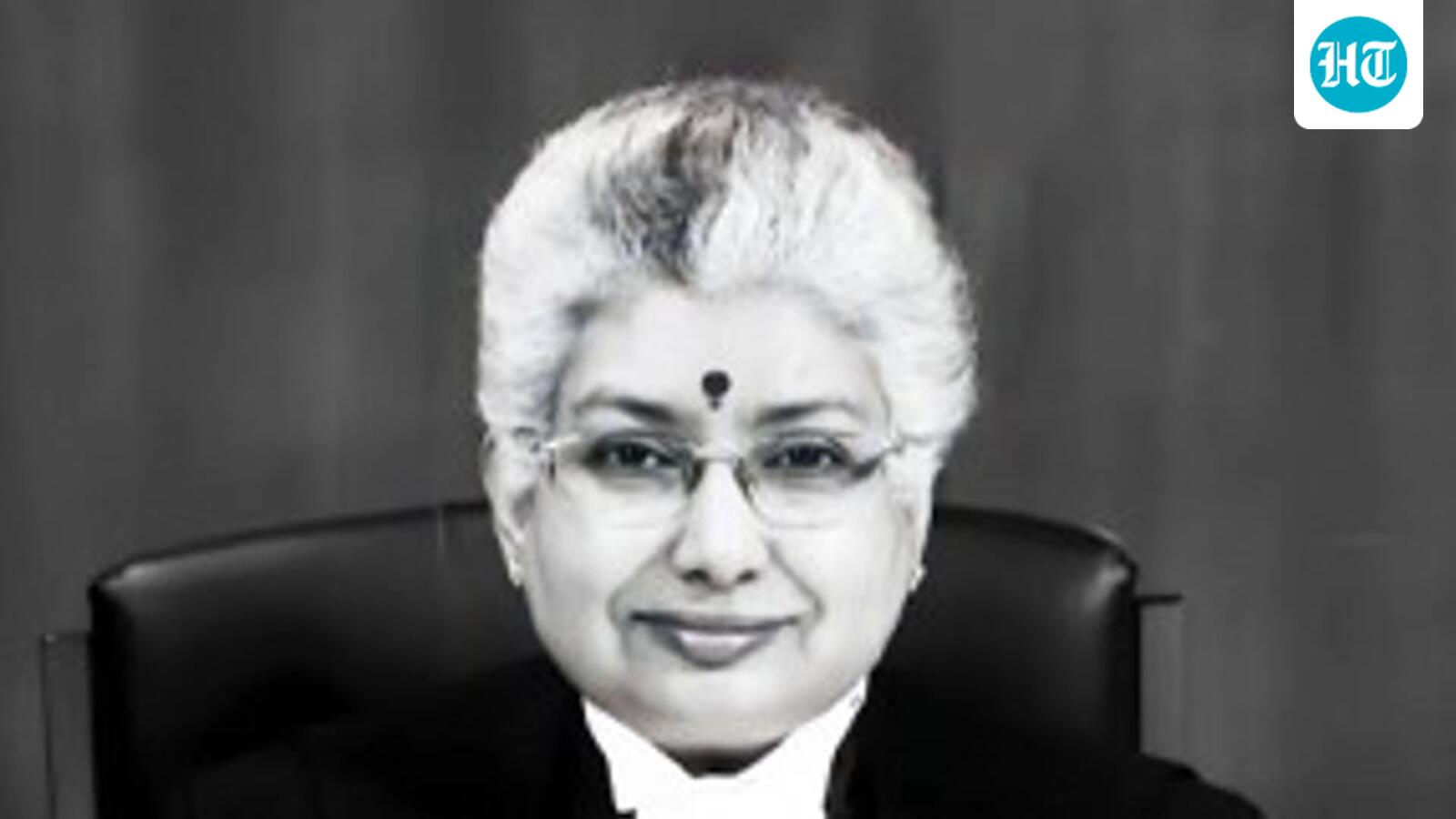
Justice Nagarathna has taken on the responsibility of drafting the verdict in a significant reference case concerning access to Sabarimala temple, one of Hinduism's most revered pilgrimage sites. The matter originates from the September 2018 Supreme Court judgment that ruled 4-1 in favour of allowing women of all ages to enter the shrine, overturning long-standing restrictions that previously barred menstruating women and those below 50 years of age.
The reference case represents a renewed legal challenge to that landmark decision, with petitioners seeking to overturn or modify the ruling through the curative petition process. The involvement of Justice Nagarathna, as the justice commencing work on the judgment, signals the weight and complexity of the matter before India's highest court.
Sabarimala temple in Pathanamthitta district has been at the centre of intense religious and social debate since the 2018 verdict. The ruling sparked significant public response, with devotees on both sides of the issue expressing strong positions on women's rights and religious traditions. The temple follows the Hindu calendar and attracts millions of pilgrims annually, making it one of India's most significant pilgrimage destinations.
The new reference seeks to revisit constitutional questions about religious freedom, gender equality, and the extent to which secular laws apply to religious institutions and practices. The verdict, once completed, is likely to have far-reaching implications for similar cases involving women's access to other religious sites across India.