World · India Bureau
Juvenile fish harvest raises sustainability alarm on Kerala coast
Fishermen in Kozhikode district are expressing growing concern over the large-scale capture of juvenile fish, which are being transported across state lines for industrial processing. Environmental and fishing community groups worry the practice threatens long-term fish stocks and coastal livelihoods.
LSN India ·
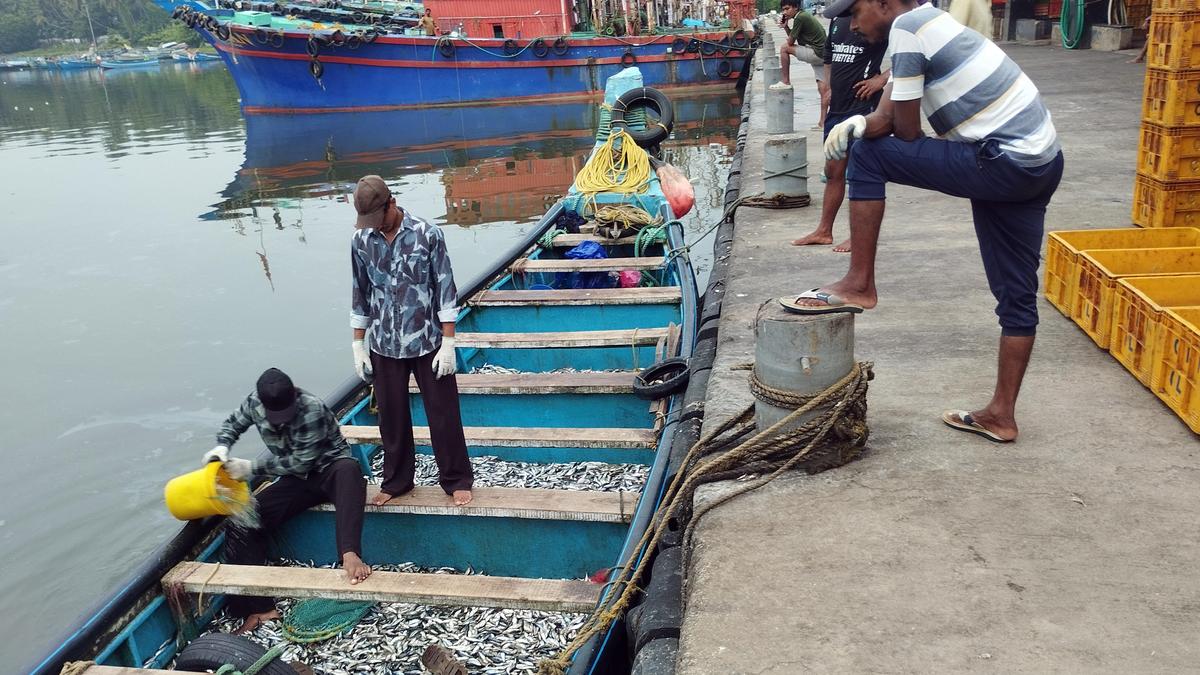
Fishing communities along the Malabar coast in Kerala's Kozhikode district have raised alarm over widespread harvesting of juvenile fish, citing potential threats to marine biodiversity and future catch prospects. According to local fishermen, young fish are being caught in substantial quantities and transported to other states for industrial use, bypassing traditional markets and local consumption chains.
The practice of harvesting immature fish runs counter to established fisheries management principles, which generally recommend allowing juveniles to reach reproductive age to maintain healthy population stocks. Fishermen argue that the removal of young fish at scale disrupts natural breeding cycles and could compromise the viability of commercially important species in the region.
Kozhikode district, a significant fishing hub along the southwest coast, has historically relied on sustainable catch practices that balance economic needs with resource conservation. Local fishing associations have begun documenting the scale of juvenile fish exports, with concerns mounting that industrial processors in other states are actively sourcing young fish from Kerala waters at prices that incentivize unsustainable harvesting.
The issue highlights growing tensions between short-term commercial interests and long-term sustainability in India's fisheries sector. Environmental and fisheries experts have called for stronger regulations and monitoring mechanisms to prevent juvenile fish harvesting, warning that current trends could lead to stock depletion and economic hardship for traditional fishing communities dependent on consistent marine catches.