Culture & Entertainment · India Bureau
Juvenile justice system needs holistic approach beyond case disposal: Judge
A senior judge has highlighted critical implementation gaps in India's juvenile justice framework, calling for comprehensive support services for children in conflict with the law. The remarks underscore the need to balance swift case resolution with welfare provisions.
LSN India ·
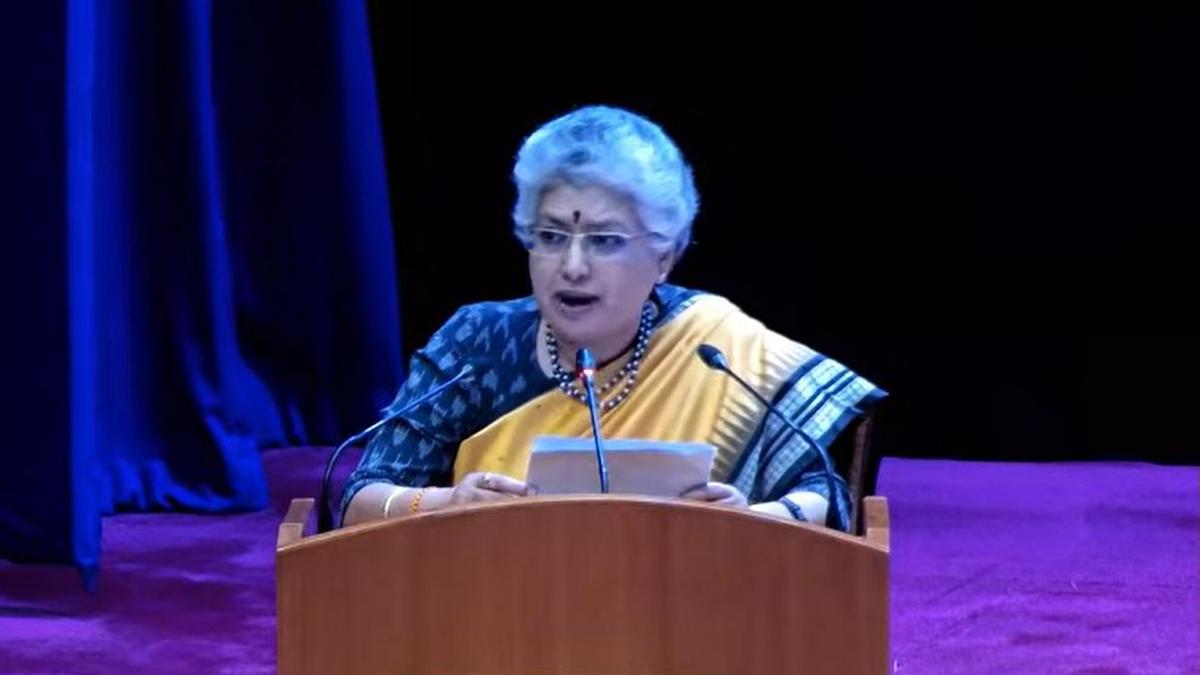
Justice Nagarathna addressed implementation challenges within India's juvenile justice system at the National Annual Stakeholders Consultation, emphasizing that courts must go beyond expediting case disposals to ensure meaningful rehabilitation outcomes for young offenders.
The judge stressed that the current approach risks overlooking essential support mechanisms that children require while proceedings are underway. She called for courts and authorities to prioritize access to education, psychological counselling, medical care, and legal representation as integral components of the juvenile justice process rather than ancillary services.
Her observations highlight a systemic imbalance where institutional focus on case clearance rates may inadvertently compromise the welfare objectives embedded in India's juvenile justice legislation. Justice Nagarathna's intervention suggests that stakeholder agencies—including the judiciary, child welfare boards, and government departments—require coordinated mechanisms to deliver integrated services within the existing legal framework.
The consultation brought together judges, administrators, and child welfare professionals to assess the functioning of juvenile justice mechanisms across states. Such assessments are critical as India continues to refine implementation of legislation designed to balance accountability with rehabilitation for children in conflict with the law.
Experts note that comprehensive service delivery during case proceedings can reduce recidivism and support successful reintegration, underscoring why Justice Nagarathna's emphasis on holistic support has implications for long-term outcomes in the juvenile justice system.