Politics · World News Bureau
Kabila's Coalition with M23 Raises Tensions in Democratic Republic Congo
Former president Joseph Kabila has aligned with the M23 rebel group, forming a political coalition that threatens to escalate conflict with the Kinshasa government. The move has intensified concerns over renewed fighting in the mineral-rich Central African nation.
LSN World News ·
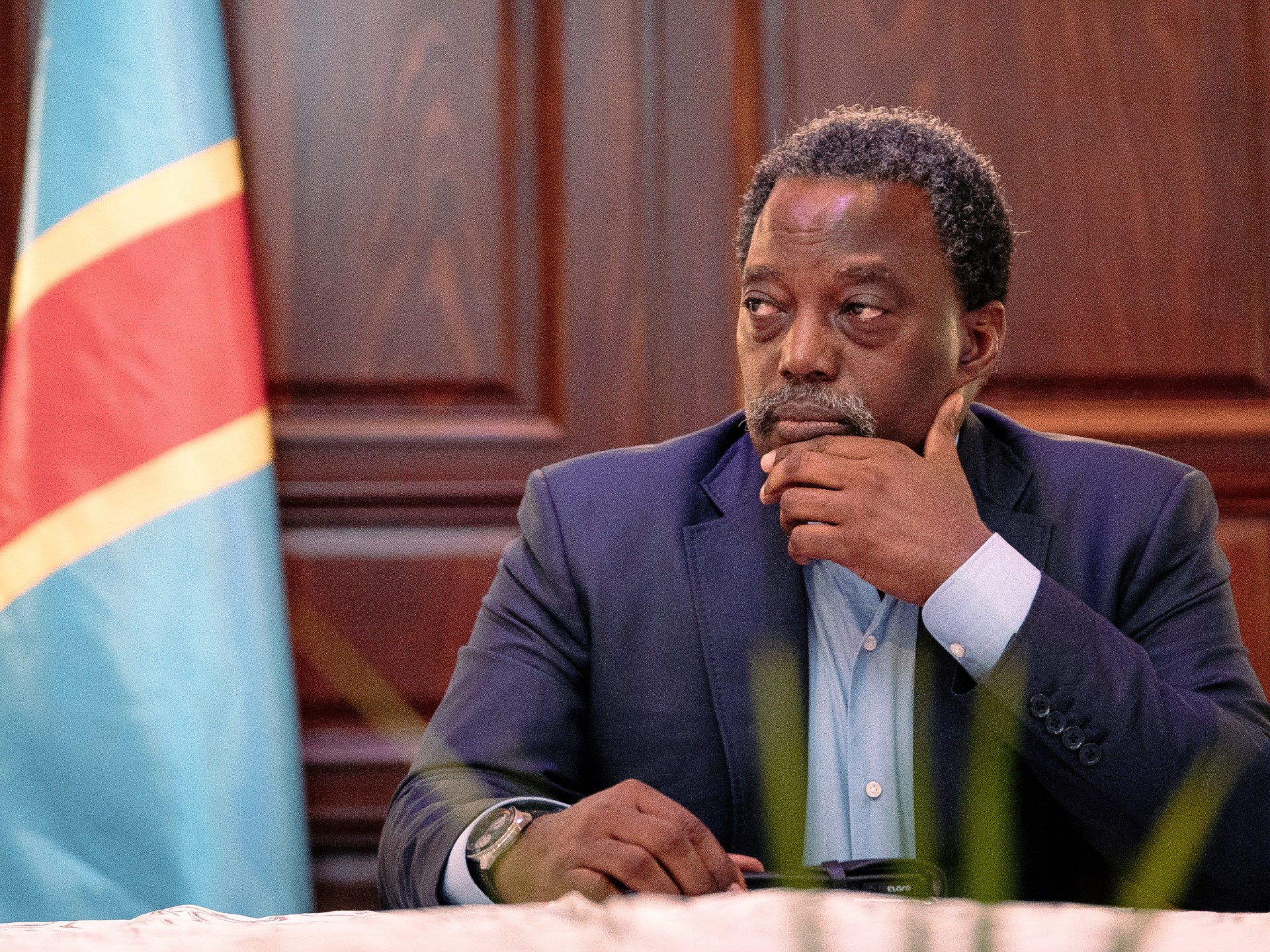
Joseph Kabila, who governed the Democratic Republic of Congo until 2019, has formally joined forces with M23 rebels in what analysts describe as a significant political realignment with potentially destabilizing consequences. The coalition represents an unprecedented merger of Kabila's political machine with the armed insurgency, which has waged an intermittent conflict in the eastern provinces for over a decade.
The alliance directly challenges President Félix Tshisekedi's administration and raises immediate concerns about renewed military confrontation. M23, primarily composed of ethnic Tutsi fighters and backed by Rwanda according to international monitors, has periodically controlled territory in North and South Kivu provinces despite multiple ceasefires and peace agreements.
Kabila's entry into the coalition gives the rebel group enhanced political legitimacy and access to his substantial patronage networks across the country. Observers warn that the partnership could mobilize supporters and resources more effectively than M23 has managed independently, potentially reversing recent military gains achieved by government forces.
The Tshisekedi government has not yet formally responded to the coalition announcement. Regional mediators, including the African Union and East African Community, have signaled deep concern about the arrangement's implications for stability in a region already destabilized by competing interests and transnational armed groups.