Politics · World News Bureau
Kabila's Public Alliance with M23 Deepens DRC Political Crisis
The former president's open alignment with the rebel group validates long-standing government allegations of his involvement with armed movements destabilizing eastern Democratic Republic of Congo.
LSN World News ·
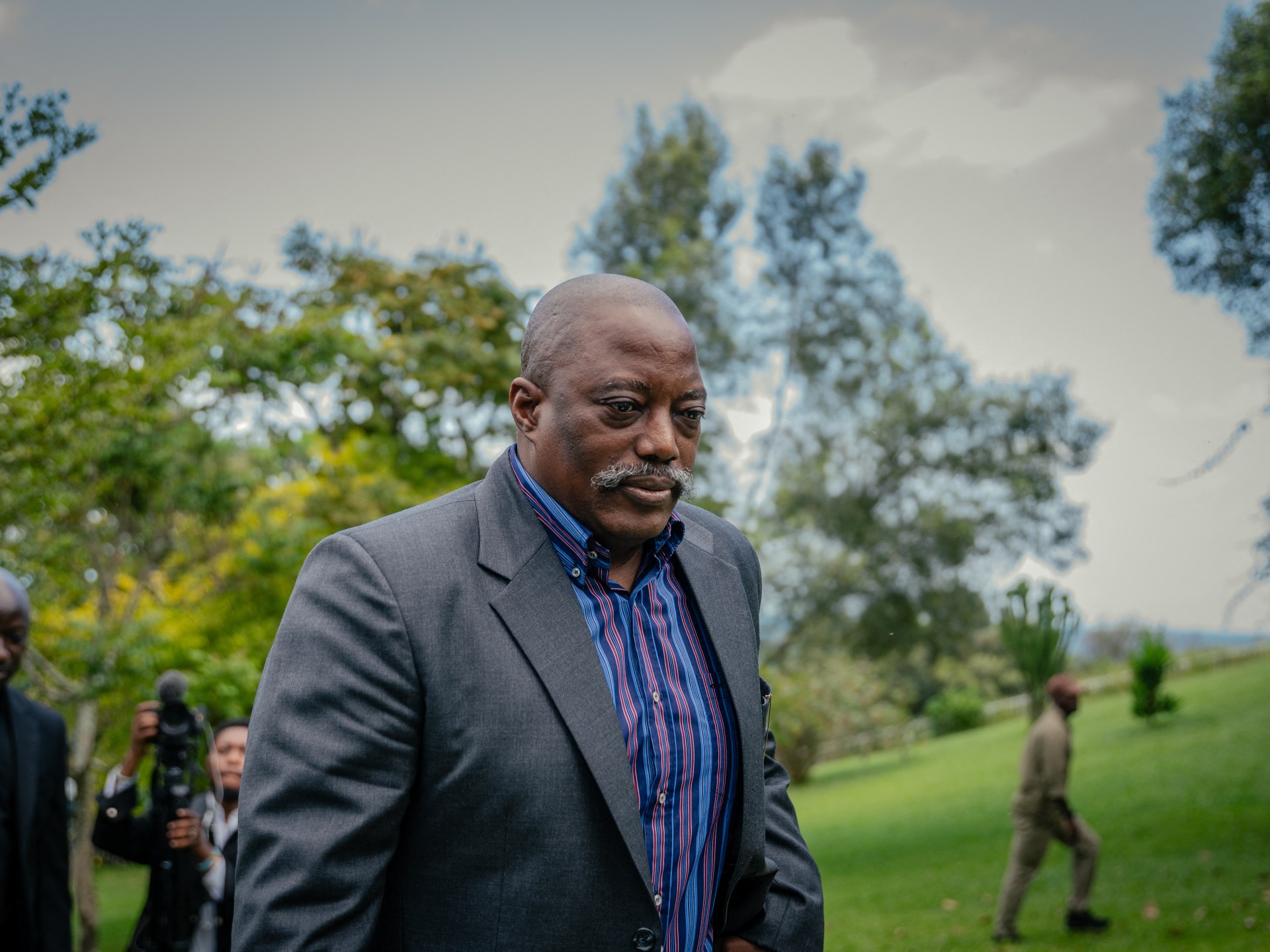
Joseph Kabila, who led the Democratic Republic of Congo until 2019, has moved closer to M23, the armed group at the center of a major regional conflict, marking a significant escalation in the country's political tensions. The alliance represents a public acknowledgment of connections that Kinshasa's government has repeatedly accused Kabila of maintaining with various rebel organizations across the DRC's volatile eastern provinces.
The timing of Kabila's alignment with M23 comes as the insurgent force has renewed military operations in North Kivu, drawing condemnation from regional governments and international observers who view the group as a destabilizing force in Central Africa. The rebel organization, which launched a major offensive in 2022 after years of relative dormancy, has been blamed for widespread civilian casualties and large-scale displacement across the region.
Government officials in Kinshasa have long alleged that Kabila maintains ties to armed factions operating in eastern DRC, claims the former president has denied. However, his current public positioning alongside M23 appears to confirm these accusations, complicating diplomatic efforts to resolve the conflict and raising questions about his political intentions within the DRC's contested power structure.
The development underscores the fractious nature of Congolese politics and the persistence of institutional actors outside formal government structures in shaping security dynamics. As President Félix Tshisekedi's administration intensifies pressure against M23, Kabila's public association with the rebel movement could further polarize the national political landscape and complicate regional peace negotiations.