World · India Bureau
Kaladipettai: Tracing Madras' Colonial Weaving Heritage
The Chennai neighbourhood of Kaladipettai, originally established as the Madras Presidency's first dedicated weaving village over three centuries ago, stands as a testament to the region's textile manufacturing legacy. Founded by British Governor Joseph Collet in 1717, the settlement transformed Colletpet into a centre of handloom production.
LSN India ·
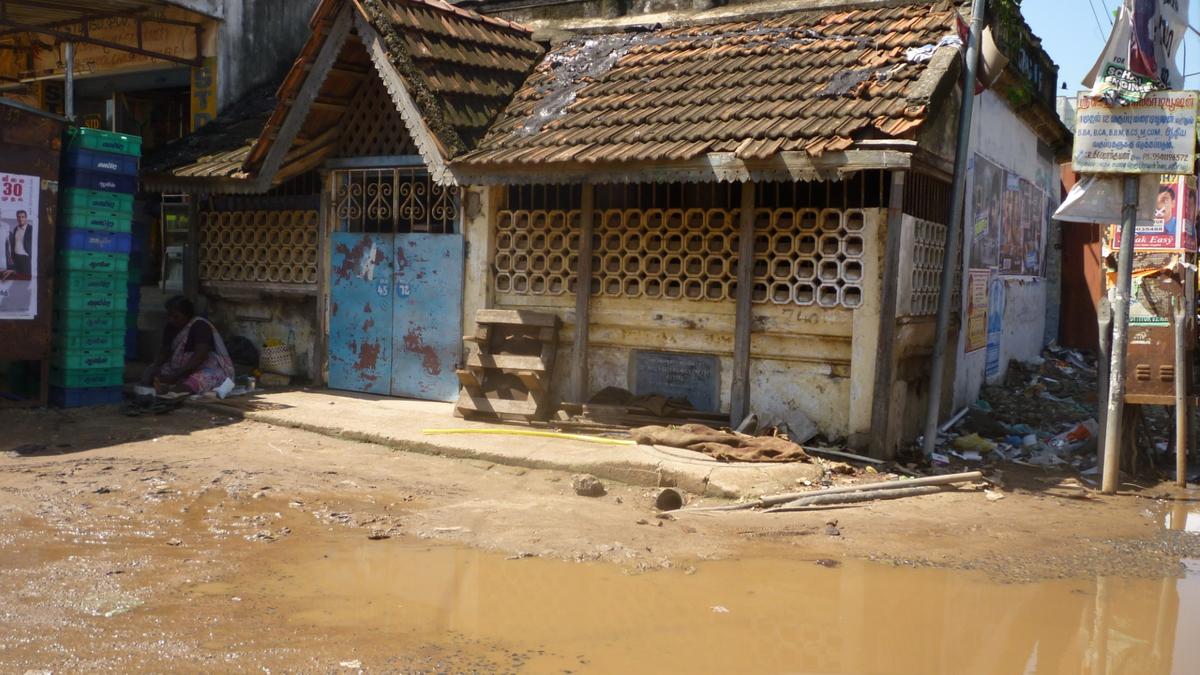
Kaladipettai, situated near Tiruvottriyur in Chennai, represents a significant chapter in the industrial history of the Madras Presidency. The weaving village was established in 1717 under the administration of Governor Joseph Collet, marking an early attempt by British colonial authorities to develop specialized manufacturing settlements in the region.
The original name Colletpet, derived from the governor's surname, reflected the administrative origins of the settlement. Over time, the area became known as Kaladipettai, a name that endures to the present day. The village's establishment was part of a broader colonial economic strategy to consolidate textile production in designated areas around Madras, leveraging the region's existing weaving traditions.
The founding of Kaladipettai demonstrates how colonial commerce intersected with local craft traditions. By concentrating weavers in a single settlement, British administrators sought to streamline production and trade operations. The village's location near Tiruvottriyur, already known for textile work, positioned it strategically within Madras' emerging economic landscape.
Today, Kaladipettai remains a densely populated neighbourhood within Chennai's metropolitan area. The locality continues to bear the marks of its weaving heritage, though modern urbanization has substantially altered its character. The site serves as a historical marker of how colonial-era urban planning shaped the development of contemporary Chennai's neighbourhoods and economic zones.