World · Bangladesh Bureau
Kangchenjunga's pristine peaks draw mountaineers and nature enthusiasts
The world's third-highest mountain continues to captivate adventurers with its snow-covered summits and challenging terrain. Kangchenjunga remains a premier destination for trekkers and climbers exploring the Eastern Himalayas.
LSN Bangladesh ·
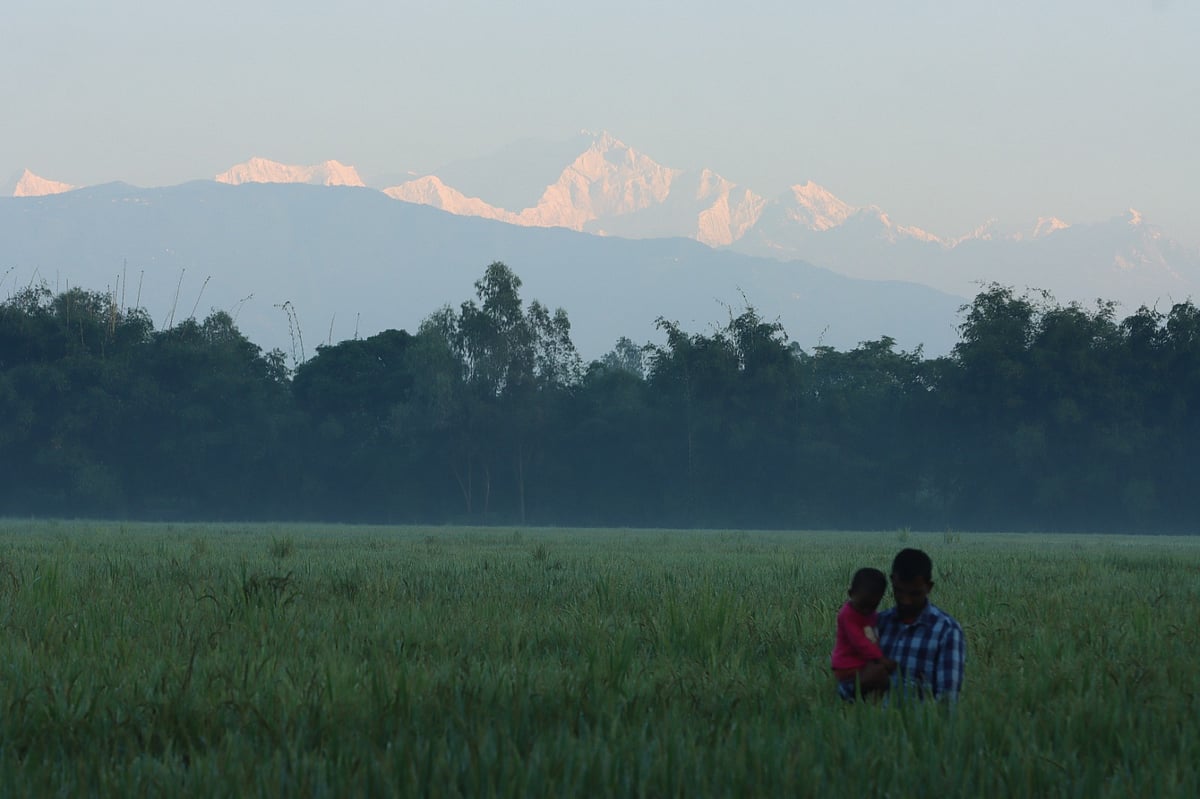
Kangchenjunga, straddling the border between Nepal and Sikkim in India, stands as one of the world's most formidable and visually striking peaks. The mountain's snow-laden slopes and distinctive ridges have long fascinated mountaineers and trekkers seeking to experience the raw majesty of the Eastern Himalayas.
At 8,586 meters above sea level, Kangchenjunga presents a challenging yet rewarding objective for experienced climbers. The mountain's name, derived from the Tibetan language, translates to "The Five Treasures of the Snow," reflecting the significance it holds for local communities and spiritual traditions in the region.
The area surrounding Kangchenjunga offers diverse trekking routes that showcase varied ecosystems, from lush rhododendron forests to alpine meadows and glacial terrain. Popular trails provide visitors with opportunities to witness the mountain's dramatic morning illumination and changing light conditions throughout the day.
Climbers and trekkers are advised to approach the region with proper preparation and local guides familiar with the terrain and weather patterns. The mountain's appeal lies not only in its technical climbing opportunities but also in its profound natural beauty and cultural significance to Himalayan communities.
Kangchenjunga National Park, encompassing much of the mountain region, protects diverse flora and fauna while maintaining its status as a destination for adventure tourism and mountaineering expeditions in South Asia.