Business · India Bureau
Karnataka asked to study cluster kitchen model for school meals
Education officials in Karnataka have been directed to assess the potential benefits and drawbacks of implementing a cluster kitchen system for midday meal schemes. Proponents argue the centralized approach could free teachers from meal-related duties.
LSN India ·
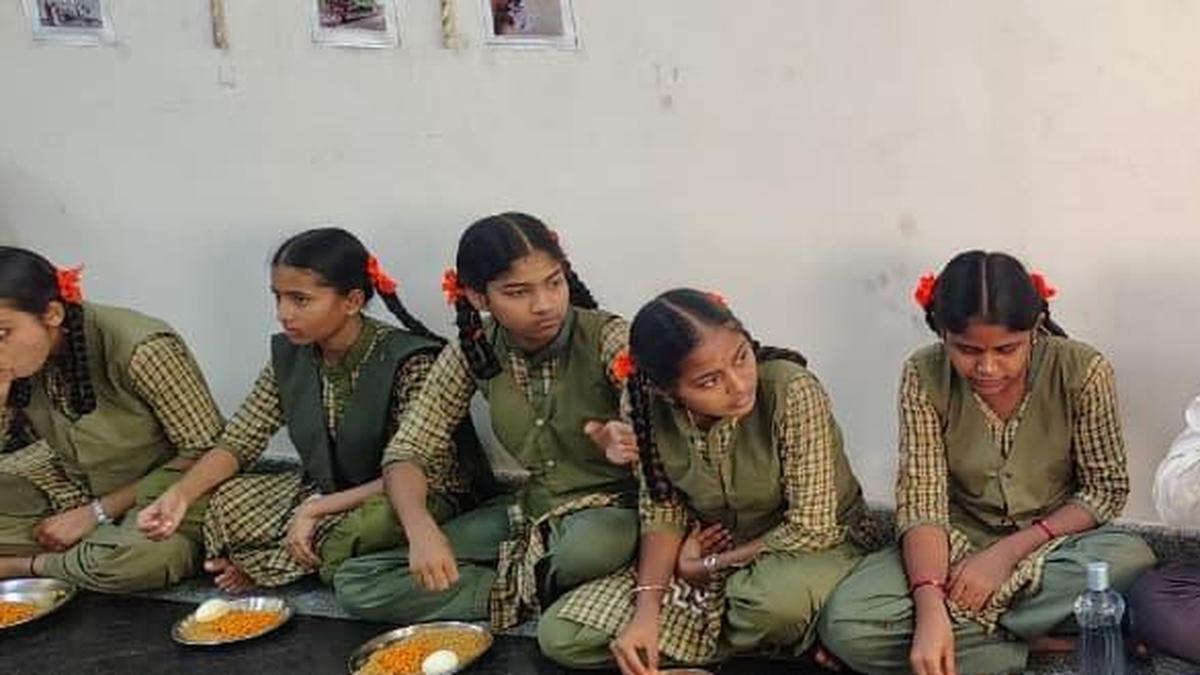
Karnataka's education department has received instructions to conduct a comprehensive evaluation of cluster kitchen systems for school midday meals, a move aimed at streamlining the popular nutrition programme across the state.
The cluster kitchen model would involve preparing meals at centralized facilities before distribution to multiple schools, a departure from the current practice where meals are often prepared on-site. Advocates of the system contend that such an arrangement would substantially reduce the administrative burden on educators, particularly teachers who currently shoulder responsibilities related to meal preparation and supervision.
By transferring meal-related duties away from schools, officials argue that teachers could dedicate more time and energy to classroom instruction and student learning outcomes. The cluster approach could also potentially improve nutritional standards through professional kitchen management and better quality control.
The education department's evaluation is expected to examine both operational advantages and potential challenges associated with the centralized kitchen model, including logistics, cost implications, and impact on existing school infrastructure. The assessment will inform policy decisions on whether to scale up the system across Karnataka's schools.
Midday meal schemes remain a critical intervention in India's educational framework, particularly in states like Karnataka, as they contribute to improved student attendance, nutrition, and academic performance.