Business · India Bureau
Karnataka grapples with 1 crore voters in disputed category
Karnataka's voter enumeration process has left over 10 million citizens in a disputed category, raising concerns about the State Electoral Roll's accuracy and the integrity of the verification exercise.
LSN India ·
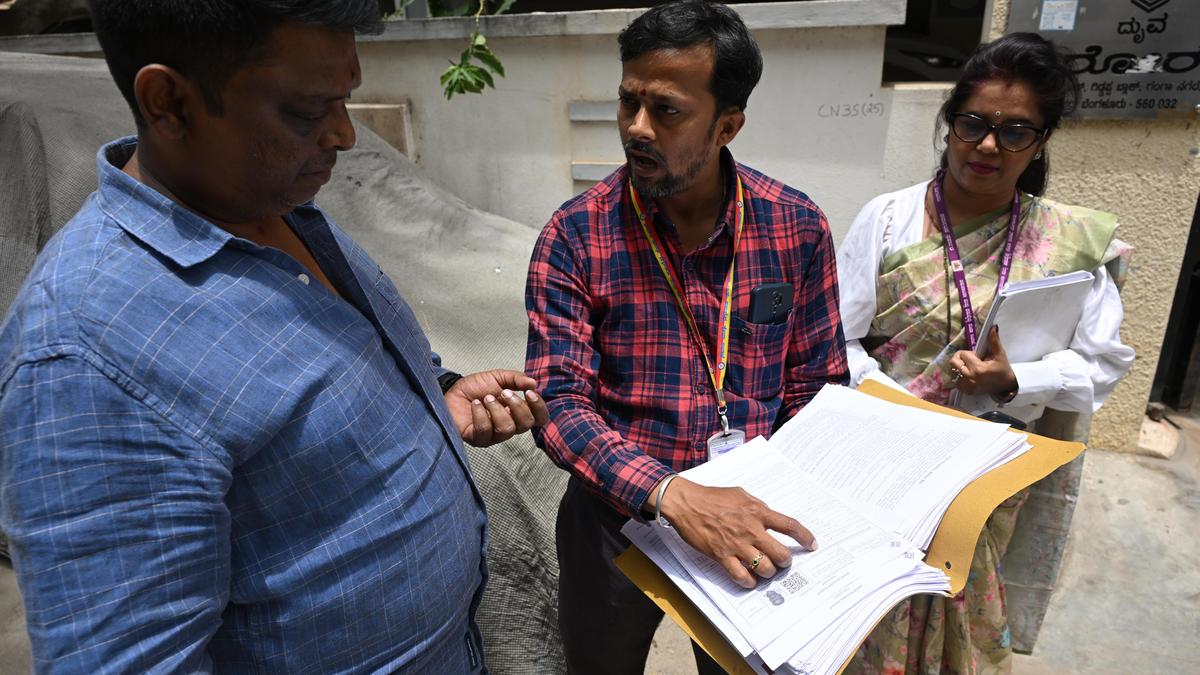
Karnataka is reporting one of India's highest numbers of voters classified under the ASDDO (Absent, Shifted, Deceased, Duplicate, Others) category, with over one crore citizens falling into this disputed designation. The figure has emerged from the State's systematic improvement and revision (SIR) process of the electoral roll, where discrepancies between enumeration forms and official records have created significant gaps.
The enumeration process, which forms the foundation of the SIR exercise, encountered substantial challenges in Karnataka. Multiple issues arose during the filling of enumeration forms, including incomplete information, inconsistencies in personal details, and difficulties in verifying voter status across databases. These gaps have resulted in a large proportion of entries being flagged under the ASDDO category—a catch-all classification for voters whose legitimacy or current registration status remains questionable or unresolved.
Voters categorized as ASDDO face uncertain futures in the electoral roll. Those whose entries cannot be mapped to existing records or whose information contains logical discrepancies remain in limbo. Without resolution, such voters risk being removed from the roll entirely or facing obstacles when attempting to cast their ballots. Election officials have acknowledged that clearing this backlog requires systematic verification and correction of the underlying data.
The scale of Karnataka's ASDDO figures has prompted concerns among election observers about the broader reliability of the State's electoral roll. Officials are now undertaking targeted reconciliation efforts to distinguish between genuinely ineligible voters and legitimate citizens whose data has been misclassified or inadequately verified. The resolution of these discrepancies remains a priority ahead of future electoral exercises in the State.