Politics · India Bureau
Karnataka High Court blocks SC/ST quota increase citing constitutional cap
The Karnataka High Court has ruled against a proposal to increase reservations for Scheduled Castes and Scheduled Tribes, upholding the Supreme Court's longstanding 50 per cent ceiling on total reservations. The decision reinforces a constitutional principle established over three decades ago.
LSN India ·
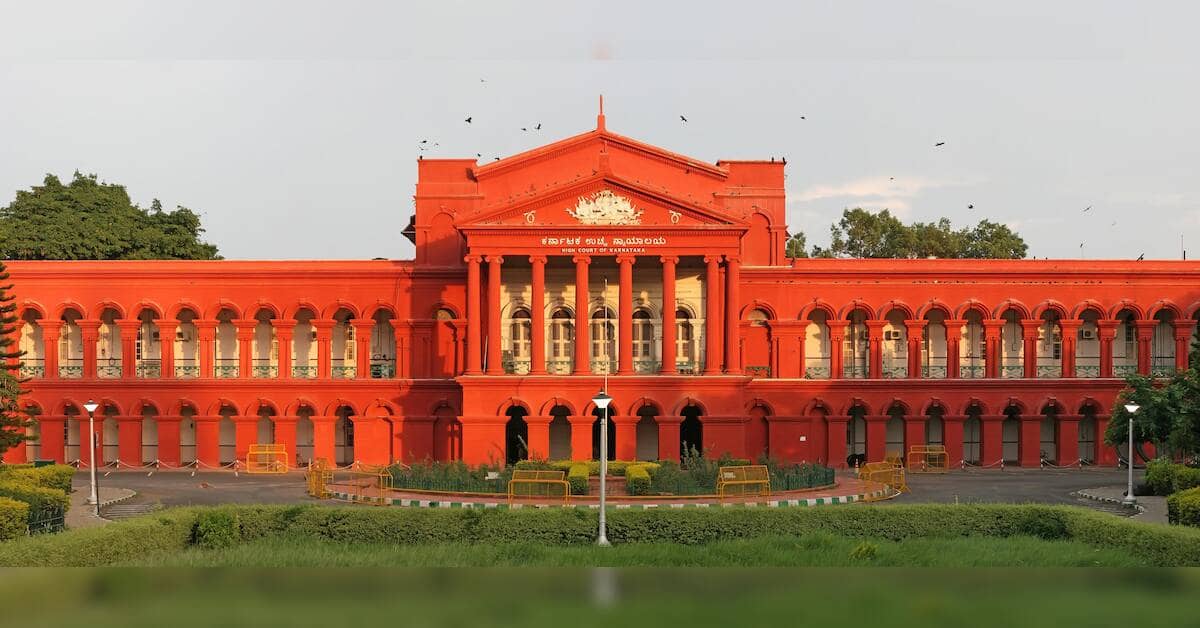
The Karnataka High Court has struck down an attempt to raise quota allocations for Scheduled Castes and Scheduled Tribes in the state, reaffirming the constitutional ceiling on affirmative action policies. The court's judgment maintains that total reservations cannot exceed 50 per cent across all categories, a threshold that has governed reservation policy since the landmark 1992 Supreme Court ruling in Indra Sawhney vs Union of India.
The 50 per cent cap has remained a cornerstone of India's constitutional framework governing reservations for nearly three decades. The Supreme Court established this limit to balance the competing demands of social equity and merit-based selection, determining that exceeding this threshold would contravene constitutional provisions.
The High Court's ruling underscores that any expansion of quota benefits for disadvantaged communities must operate within this constitutional framework. While states retain discretion in allocating reservations among various categories—including SC, ST, and OBC groups—the aggregate cannot surpass the 50 per cent limit.
The decision is likely to influence similar reservation proposals across other states, as courts consistently cite the Indra Sawhney judgment when adjudicating quota-related disputes. Legal experts note that states seeking to enhance benefits for marginalized groups must do so through restructuring existing allocations rather than expanding the overall ceiling.