Politics · India Bureau
Karnataka High Court rules caste-based reservation cannot match population proportions
The Karnataka High Court has rejected the idea of calibrating reservations strictly according to caste population figures, saying such an approach would undermine constitutional equality principles. The judgment carries implications for affirmative action policies across India.
LSN India ·
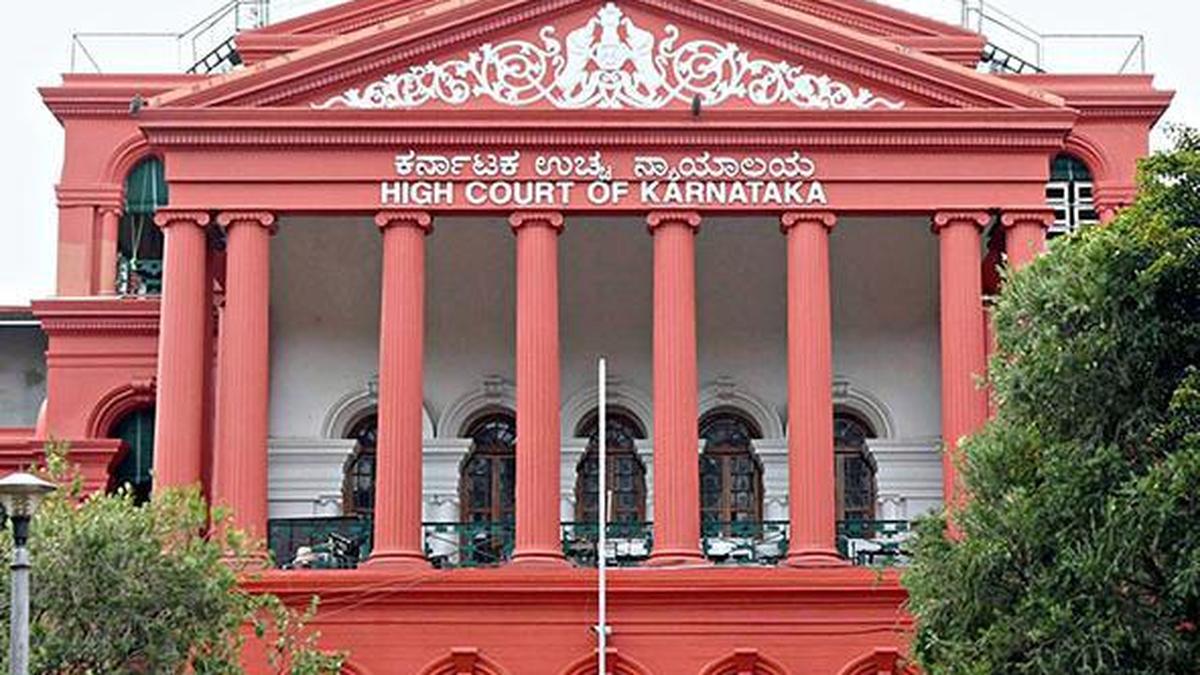
The Karnataka High Court has delivered a significant ruling on the contentious issue of caste-based reservations, holding that demographic proportionality cannot serve as the sole basis for determining reservation quotas. According to the court's reasoning, accepting population figures as the primary criterion for allocating reserved seats would fundamentally contradict the constitutional principle of equality.
The bench noted that while population statistics may be one factor to consider in framing reservation policies, making it the decisive metric would be 'destructive of the principle of equality' enshrined in the Constitution. The judgment suggests that policymakers must balance multiple considerations beyond mere numerical representation when designing affirmative action frameworks.
This ruling adds to the ongoing judicial discourse surrounding reservation policies in India, where courts have previously grappled with reconciling the aspirations of historically disadvantaged groups with constitutional guarantees of equal protection. The decision underscores the judiciary's view that reservation policies require careful calibration that goes beyond simple demographic calculations.
The implications of the judgment extend beyond Karnataka, as similar questions regarding the proper methodology for determining reservation quotas remain contested in various states. Legal experts anticipate the ruling will inform future debates on how Indian states structure their reservation policies while maintaining constitutional compliance.