Business · India Bureau
Karnataka invokes international precedent to revisit Cauvery water sharing pact
The southern state has signalled its intention to renegotiate the long-standing Cauvery water allocation agreement, citing the doctrine of changed circumstances used in international water treaties. Karnataka's move references the Indus Waters Treaty as a model for how interstate water disputes can be revisited when conditions change.
LSN India ·
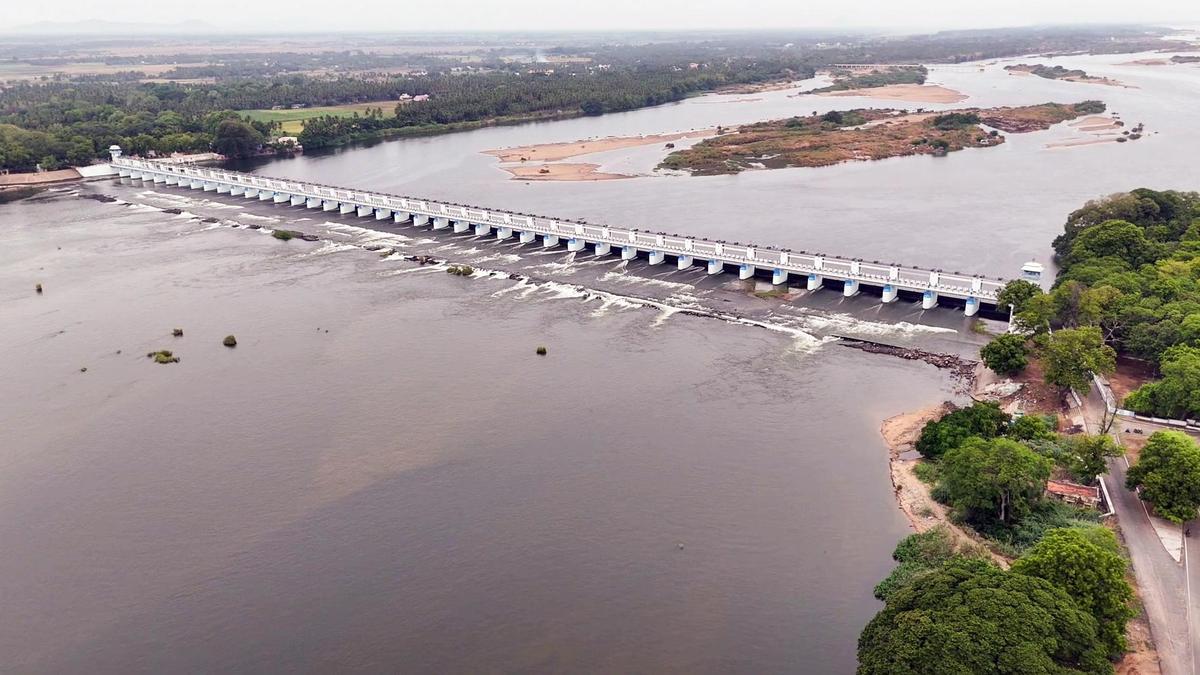
Karnataka has formally indicated its willingness to reopen discussions on the Cauvery water allocation, invoking international legal principles governing transboundary water agreements. In its official response, the state cited the doctrine of rebus sic stantibus—a principle allowing parties to revisit treaty terms when substantially changed circumstances make original agreements impractical or inequitable.
The state's reference to the Indus Waters Treaty, a landmark 1960 agreement between India and Pakistan, underscores Karnataka's argument that inter-state water sharing arrangements can be modified through mutual consent or judicial intervention when material conditions shift. Karnataka contends that demographic growth, agricultural expansion, and climate patterns in the Cauvery basin have fundamentally altered the context in which current allocations were determined.
The Cauvery water-sharing agreement, which allocates irrigation water among Karnataka, Tamil Nadu, Kerala, and Puducherry, has been a source of interstate tension for decades. The Supreme Court's 2007 judgment established current allocation proportions, but Karnataka argues that subsequent changes—including population increases and evolving water needs—justify a comprehensive reassessment.
International water law permits treaty modification when circumstances have so fundamentally changed that performance becomes materially different from what was originally contemplated. Karnataka's invocation of this principle represents a strategic shift toward legitimizing renegotiation through established legal frameworks rather than direct confrontation. The move is likely to intensify ongoing discussions on water-sharing among riparian states.