Politics · India Bureau
Karnataka parties challenge election notice over voter transportation logistics
Political parties in Karnataka are raising concerns about a stringent electoral notice, citing insufficient time to organise travel for voters residing outside the state. The development follows similar measures implemented in West Bengal.
LSN India ·
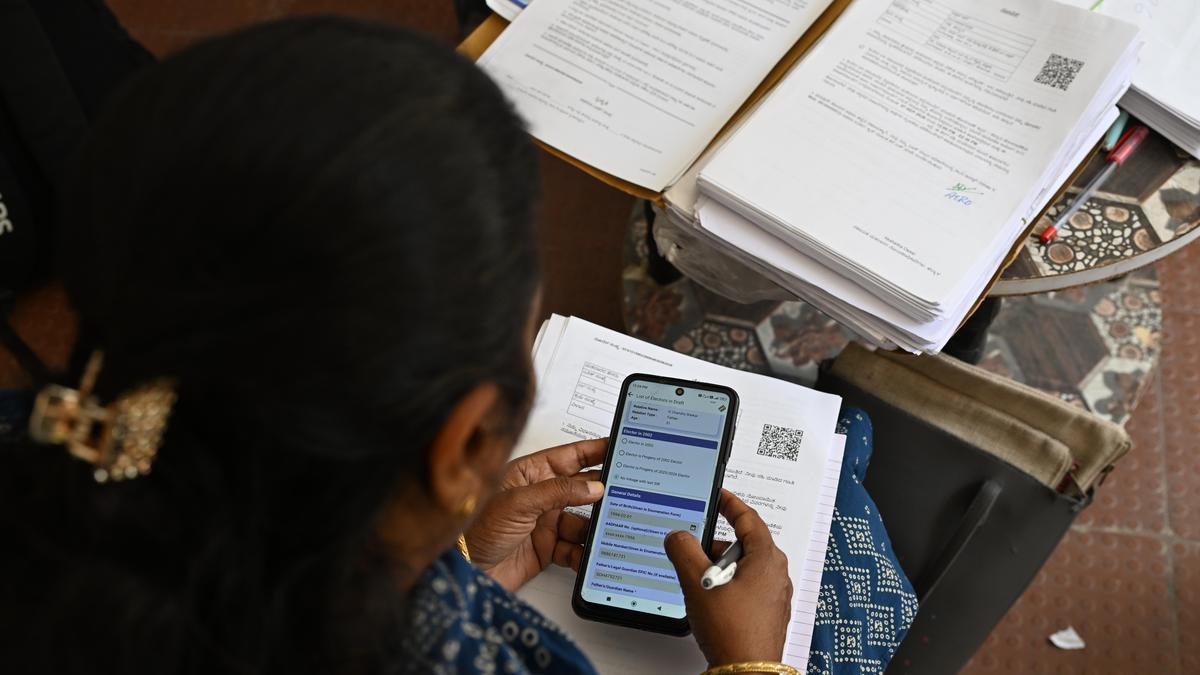
Political parties in Karnataka—including the Congress, BJP, and JD(S)—have contested an election notice that they say provides inadequate time for implementation of voter transportation arrangements. The parties argue that the compressed timeline between the issuance of the notice and its scheduled hearing leaves them insufficient opportunity to identify eligible voters, communicate with them, and organize logistics for those based outside Karnataka's borders.
The concern centres on the practical challenges of mobilizing voters who are temporarily residing in other states. Party officials contend that the notice window does not account for the complexities involved in locating voters, verifying their eligibility, and arranging transportation—particularly for those who may not be immediately reachable or who require significant advance notice to travel.
The dispute reflects broader questions about voter accommodation policies during electoral processes. The issue gains particular significance following precedents set in West Bengal, where authorities reportedly facilitated flight ticket arrangements for voters returning to cast ballots. Karnataka's political leadership now faces pressure to clarify whether similar accommodations will be made available and, if so, within what timeframe such arrangements can realistically be executed.
The matter underscores the administrative and logistical demands of managing elections in India's geographically dispersed electorate, where significant proportions of voters work or reside temporarily outside their home constituencies. Election authorities will need to weigh electoral accessibility against regulatory timelines as they address the parties' grievances.