Business · India Bureau
Karnataka students left stranded as colleges fail to materialize at listed addresses
Dozens of students in Karnataka discovered their allocated professional colleges did not exist at provided addresses after completing fee payments and downloading seat confirmation slips. The incident has raised serious questions about the verification procedures of the Karnataka Examinations Authority.
LSN India ·
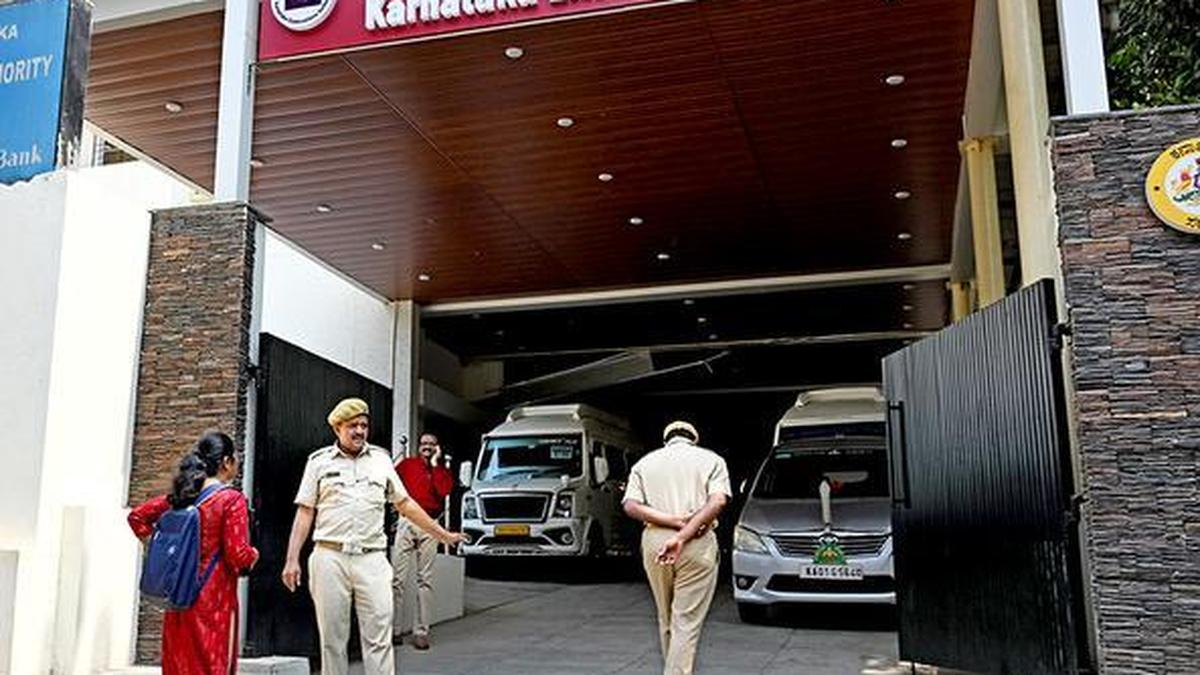
Students seeking admission to professional courses in Karnataka faced a shocking discovery when they attempted to report for enrollment at their allocated institutions. Upon reaching the addresses provided by the Karnataka Examinations Authority, several candidates found no college facilities at the designated locations.
The affected students had already completed their financial obligations by paying fees to the authority and had downloaded official seat confirmation slips before traveling to their respective colleges for registration. The discrepancy between the institution addresses listed in official documents and the non-existence of colleges at those locations has triggered concerns about administrative oversight in the admission process.
This development highlights potential gaps in the verification and validation procedures employed by the Karnataka Examinations Authority when allocating seats to candidates. Educational authorities typically cross-reference institution addresses and details before including colleges in the allocation system. The failure to identify and rectify address mismatches prior to seat allocation has left students in a state of uncertainty regarding their admission status and future academic plans.
Educational officials have not yet issued a formal statement addressing the scope of the problem or outlining remedial measures for affected students. The incident underscores the need for strengthened institutional verification protocols to prevent similar occurrences in future admission cycles across professional education in the state.