Business · India Bureau
Karnataka taxi operators seek clarity on state's new fare-meter rules
Travel industry groups have flagged ambiguities in Karnataka's recent fare-meter directive, saying it fails to clearly distinguish between different taxi categories and advance booking arrangements. The confusion threatens to complicate operations for operators across the state.
LSN India ·
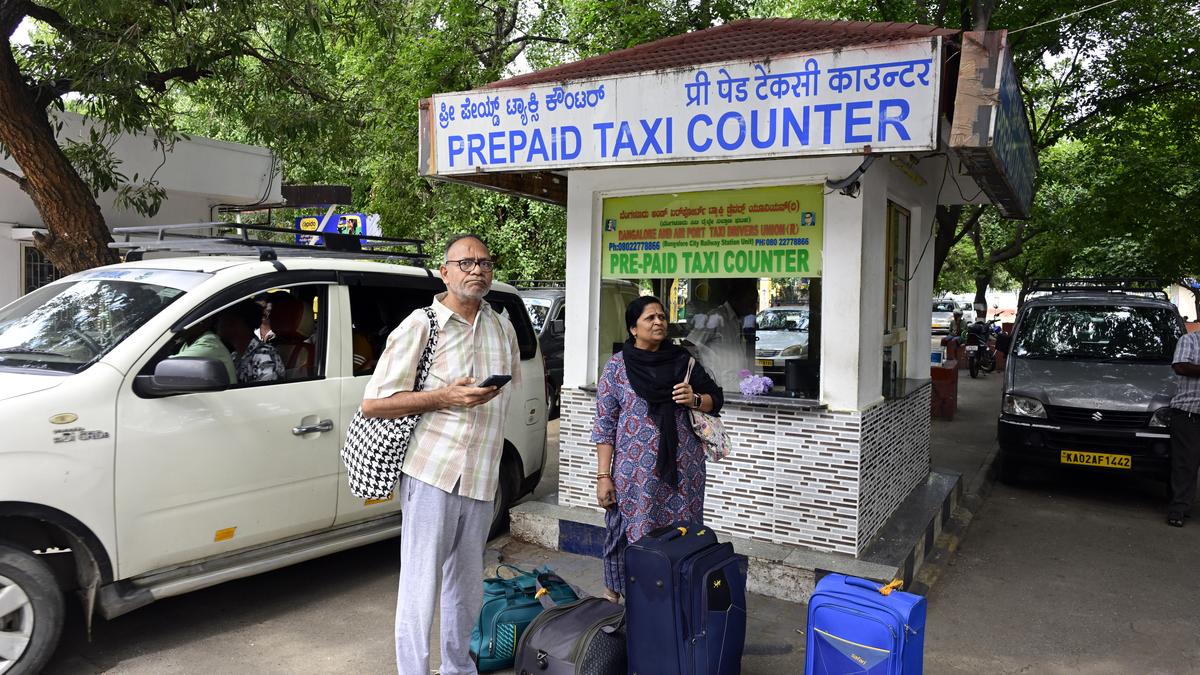
The Karnataka State Tourism and Transport Operators Association (KSTOA) has approached state authorities seeking clarification on implementation of a circular governing fare-meter regulations for taxis across the state. The association contends that the directive lacks sufficient detail to differentiate between various taxi classifications, particularly regarding how advance bookings and contractual arrangements should be handled under the new framework.
Operators have expressed concern that the ambiguous language could lead to inconsistent enforcement and create compliance challenges for different segments of the taxi industry. Ride-hailing services, traditional metered cabs, and contract taxi operators may face different operational requirements, but the current directive does not adequately address these distinctions, according to KSTOA representatives.
The circular, which aims to standardize fare structures and meter specifications across Karnataka, was issued to improve transparency and passenger protection. However, travel operators argue that without clearer guidelines distinguishing between categories—such as pre-booked versus spontaneous hires, or app-based versus traditional taxi services—the rules cannot be uniformly applied.
State transport authorities have been urged to issue supplementary guidance or revise the circular to specify how different taxi categories should comply with the fare-meter requirements. Industry representatives indicated they remain supportive of regulatory oversight but require explicit rules to ensure uniform and fair implementation across all operator segments.