Business · India Bureau
Karnataka village in wildlife sanctuary lacks basic roads, schools, hospitals
Families in a remote Karnataka settlement surrounded by protected forest land struggle without fundamental infrastructure, forcing children into distant hostels for education. The predominantly Scheduled Caste community faces severe isolation and limited access to essential services.
LSN India ·
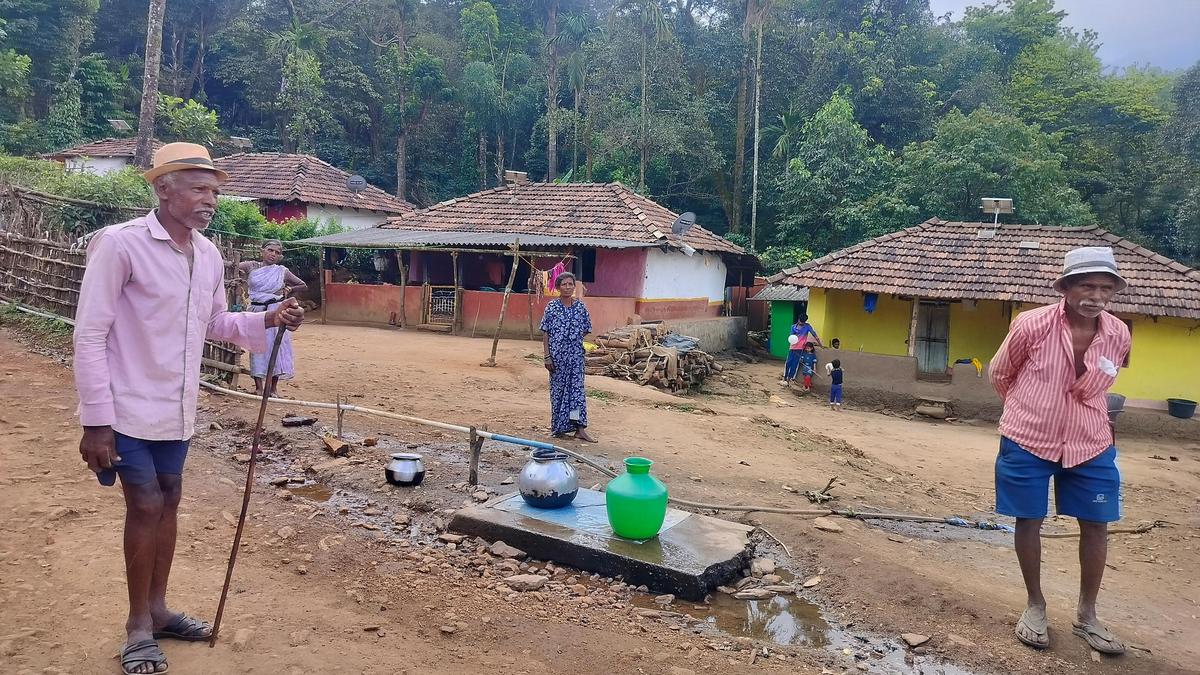
A village nestled within a Karnataka wildlife sanctuary remains cut off from basic amenities that most Indian settlements take for granted. The absence of road connectivity, educational institutions, and healthcare facilities has created significant hardship for residents who depend on seasonal pathways and makeshift routes to access nearby towns.
The population, predominantly comprising members of the Adi Karnataka community—a Scheduled Caste—has adopted survival strategies born of necessity. Parents are forced to send their children to boarding schools or arrange for them to stay with relatives in distant urban centers to pursue formal education, a practice that fractures family bonds and imposes considerable financial strain on already economically vulnerable households.
The lack of a functional healthcare infrastructure means residents must travel considerable distances during medical emergencies, a challenge compounded by the absence of reliable transportation. The community's geographic isolation within the sanctuary's boundaries has rendered them effectively invisible to state development planning, leaving them without the infrastructure investments that neighboring areas have received.
Local officials and community representatives have increasingly raised concerns about the administrative status of settlements within protected forest areas, questioning how development priorities are determined for such marginalized populations. The situation underscores the tension between environmental conservation and human habitation in India's wildlife zones, where residents' basic rights to education, healthcare, and connectivity often remain unaddressed.