World · India Bureau
Karwa Chauth: Traditional Vrat Katha Linked to Spousal Longevity Beliefs
As married women observe Karwa Chauth, the festival centers on the recitation of the Veeravati vrat katha, a classical narrative believed to bless husbands with long life and prosperity. The ancient tale carries deep religious and cultural significance across Indian households.
LSN India ·
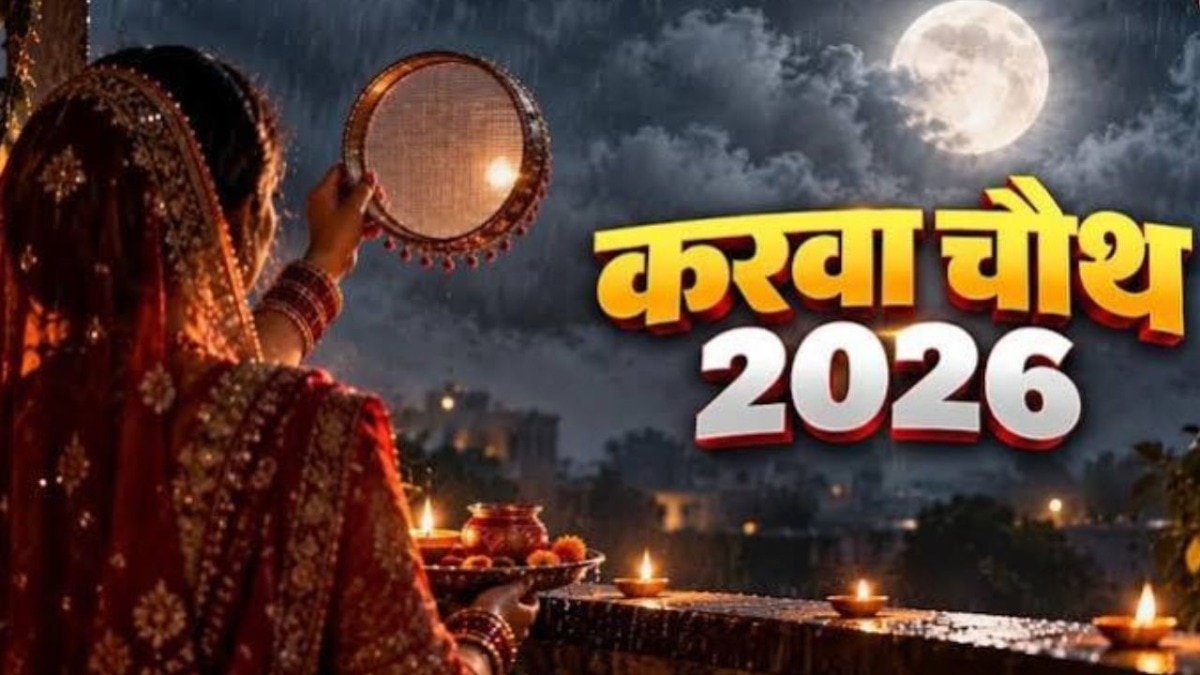
Karwa Chauth, celebrated on the fourth lunar day after the full moon in the Hindu month of Kartik, holds particular importance for married women across India. Central to the observance is the recitation of the Veeravati vrat katha, a traditional narrative that has been passed down through generations and forms the spiritual foundation of the festival.
According to Hindu tradition, the Veeravati katha recounts the story of a devoted wife whose unwavering faith and commitment to her marital vows are rewarded with divine intervention. The narrative emphasizes themes of sacrifice, devotion, and the sacred bond between spouses, with believers holding that reciting or listening to the tale invokes blessings for the husband's wellbeing and longevity.
The vrat katha is typically narrated by elder women in families or read from religious texts during the day-long fast that precedes the evening moon-sighting ritual. The practice is rooted in the belief that the goddess Gauri, the consort of Lord Shiva, listens to the prayers and observances of women who follow these traditions with sincerity and devotion.
While the festival has evolved over centuries, the core religious significance of the vrat katha remains unchanged. For millions of Indian households, particularly in North India, the recitation of this ancient tale continues to be an integral part of Karwa Chauth celebrations, connecting contemporary practitioners to centuries-old spiritual heritage and cultural values.