Politics · India Bureau
Kashmir needs unified political approach, not constant criticism
Political leaders in Kashmir must move beyond blaming local authorities and work toward consensus on key governance issues. Analysts argue that while the region's demands for dignity and federal autonomy remain valid, constructive engagement is essential.
LSN India ·
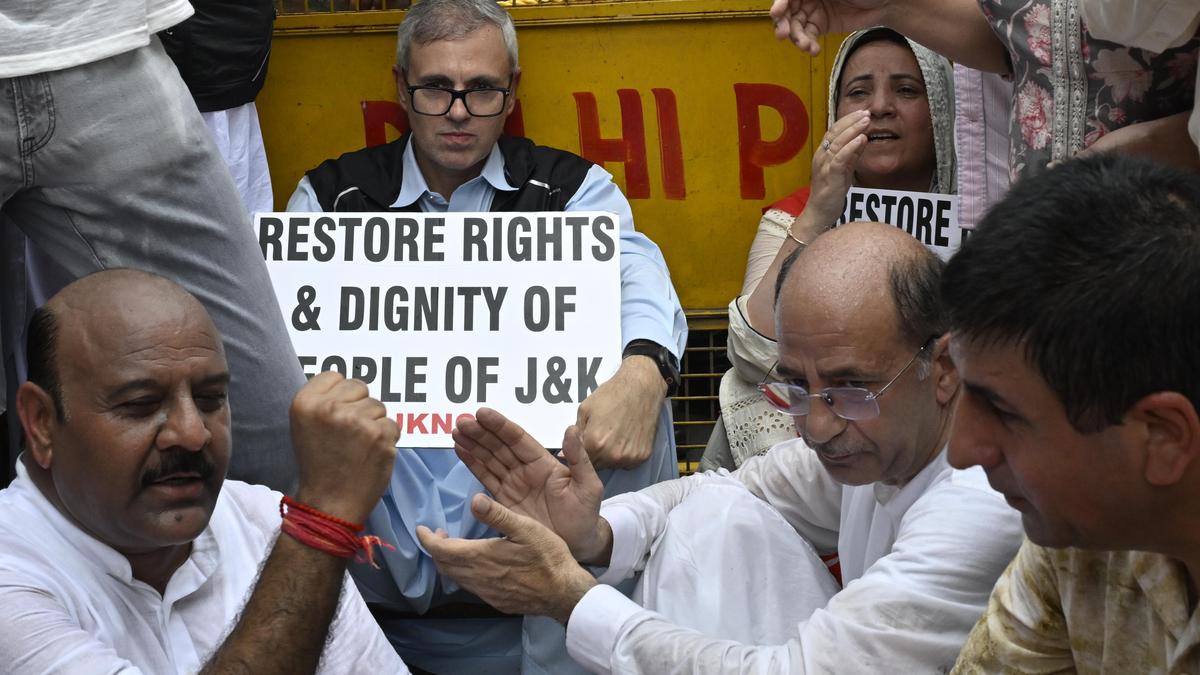
Kashmir's long-standing grievances regarding its constitutional status and federal arrangement remain legitimate concerns that demand resolution, according to observers monitoring the region's political landscape. However, political stakeholders have been urged to reconsider their approach to governance, moving away from persistent criticism of local institutions toward more collaborative problem-solving.
The current dynamic of regularly targeting regional administrators for perceived weakness or insufficient assertiveness has become counterproductive, analysts note. Local government bodies, already operating within constrained parameters, face mounting pressure from multiple directions, which undermines their capacity to function effectively.
Political unity and constructive dialogue are essential if Kashmir is to address its core concerns about dignity and equitable federal representation, observers emphasize. Rather than focusing blame on individual officials or administrative bodies, stakeholders must engage in substantive discussions about institutional reforms and constitutional arrangements.
Experts suggest that a shift toward collaborative governance could strengthen Kashmir's position in broader policy discussions while simultaneously improving service delivery and administrative capacity. This balanced approach would honor the region's legitimate aspirations while building the institutional strength necessary to advance them effectively.