Culture & Entertainment · India Bureau
Kashmir's ancient rice varieties hold climate adaptation secrets
Scientific research has revealed that traditional rice varieties cultivated in Kashmir carry genetic traits for cold tolerance and local adaptation that modern strains have lost. The findings suggest these heirloom varieties could prove invaluable as climate change intensifies pressure on global crop production.
LSN India ·
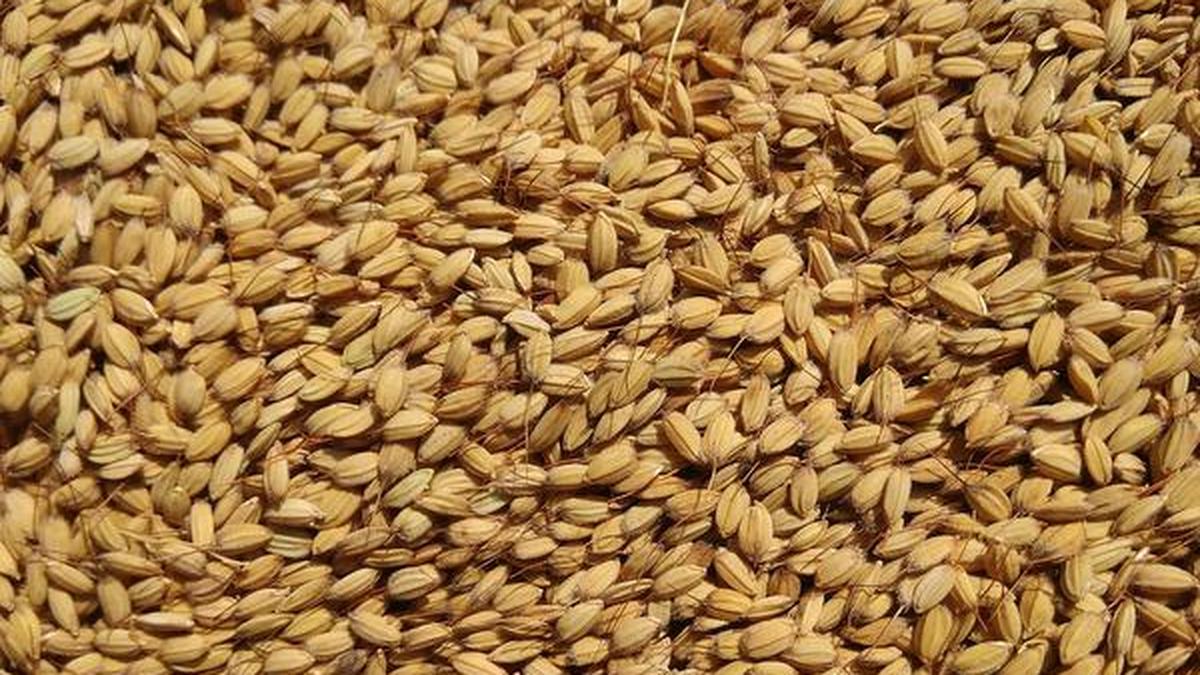
A comprehensive genetic analysis of Kashmir's indigenous rice varieties has uncovered significant evolutionary advantages that may help address mounting agricultural challenges posed by climate change. The study found that traditional Kashmiri rice strains retain cold-tolerance genes and other locally-adapted genetic material that have been bred out of modern high-yield varieties developed over recent decades.
The research indicates that Kashmir's rice varieties share closer genetic ties with cultivars from the Korean Peninsula and Northeast China than previously understood, suggesting a historical agricultural connection across East and South Asia. This genetic relationship points to ancient trade routes and knowledge exchange that shaped farming practices across the broader region.
As global temperatures rise and weather patterns become increasingly unpredictable, the dormant genetic traits preserved in traditional rice varieties are gaining renewed attention from agricultural scientists. The cold-tolerance characteristics and other adaptive features found in Kashmir's heirloom strains could prove essential for developing crop varieties capable of withstanding future climate stress.
The findings underscore the importance of preserving traditional crop varieties alongside modern agricultural advances. Researchers suggest that genetic material from indigenous Kashmiri rice could be selectively reintroduced into contemporary breeding programs to enhance climate resilience without sacrificing yield potential. Such approaches may offer a pathway to sustainable food security as environmental conditions continue to shift across South Asia.